Section 01
Extras
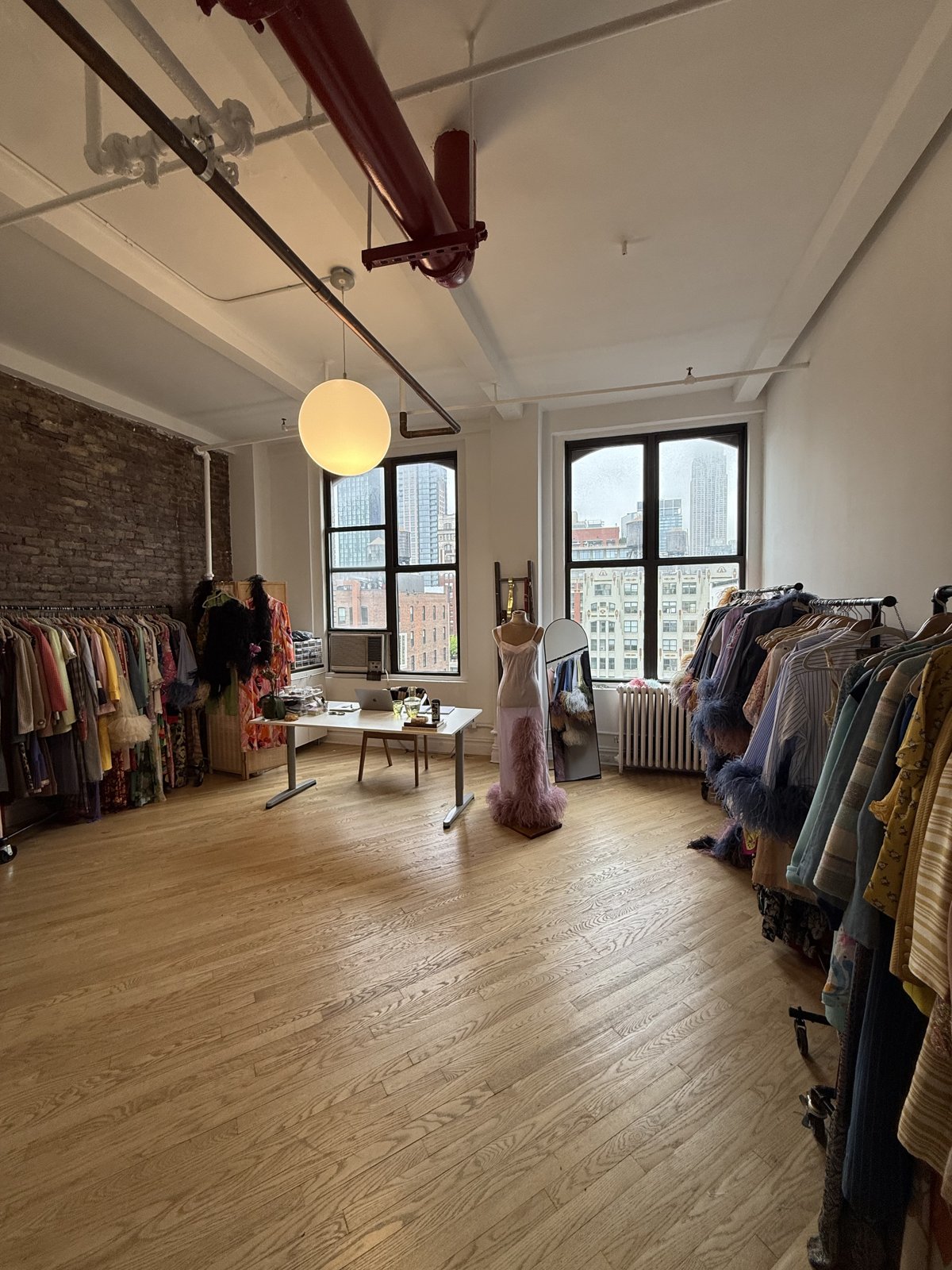
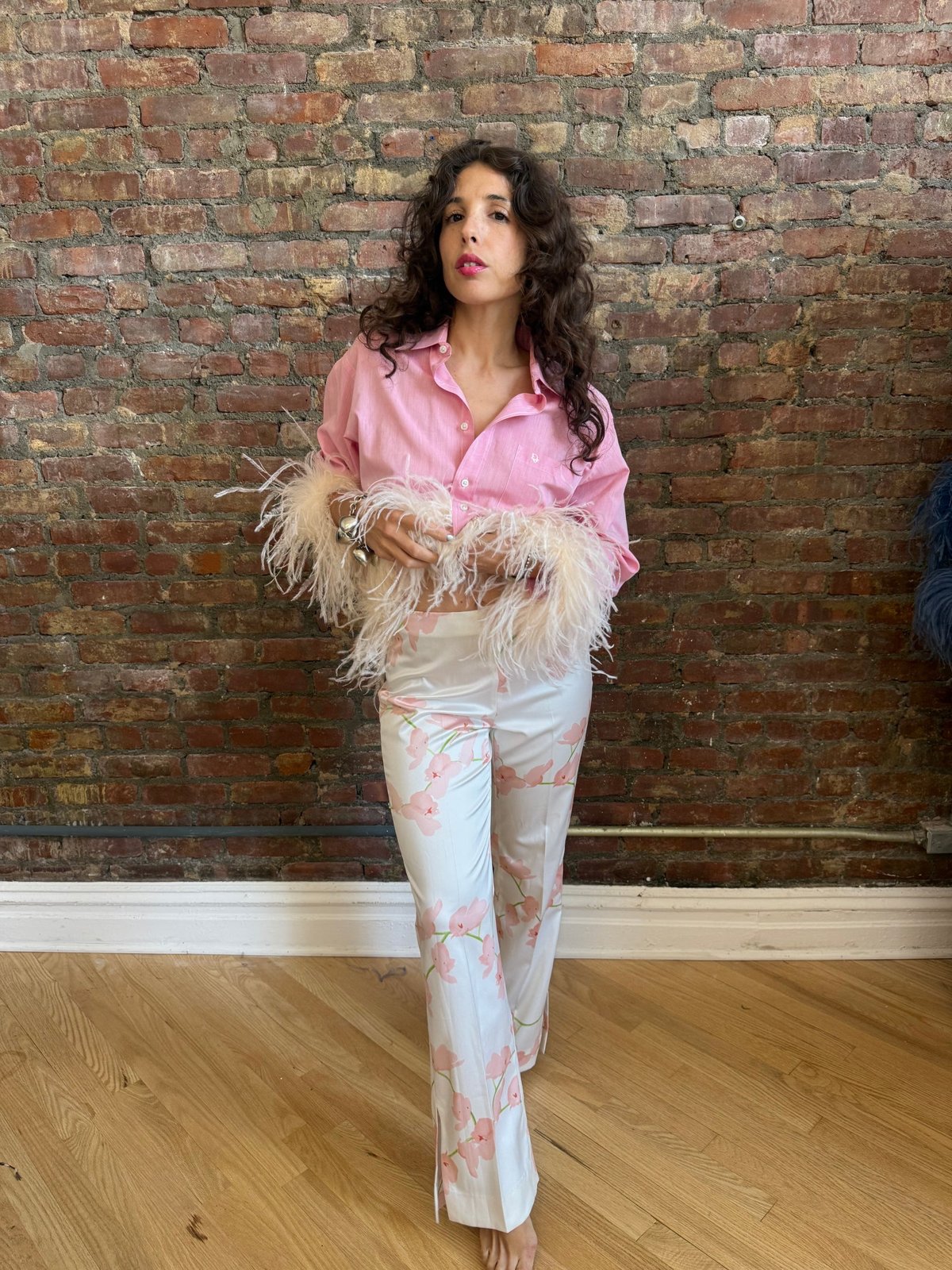
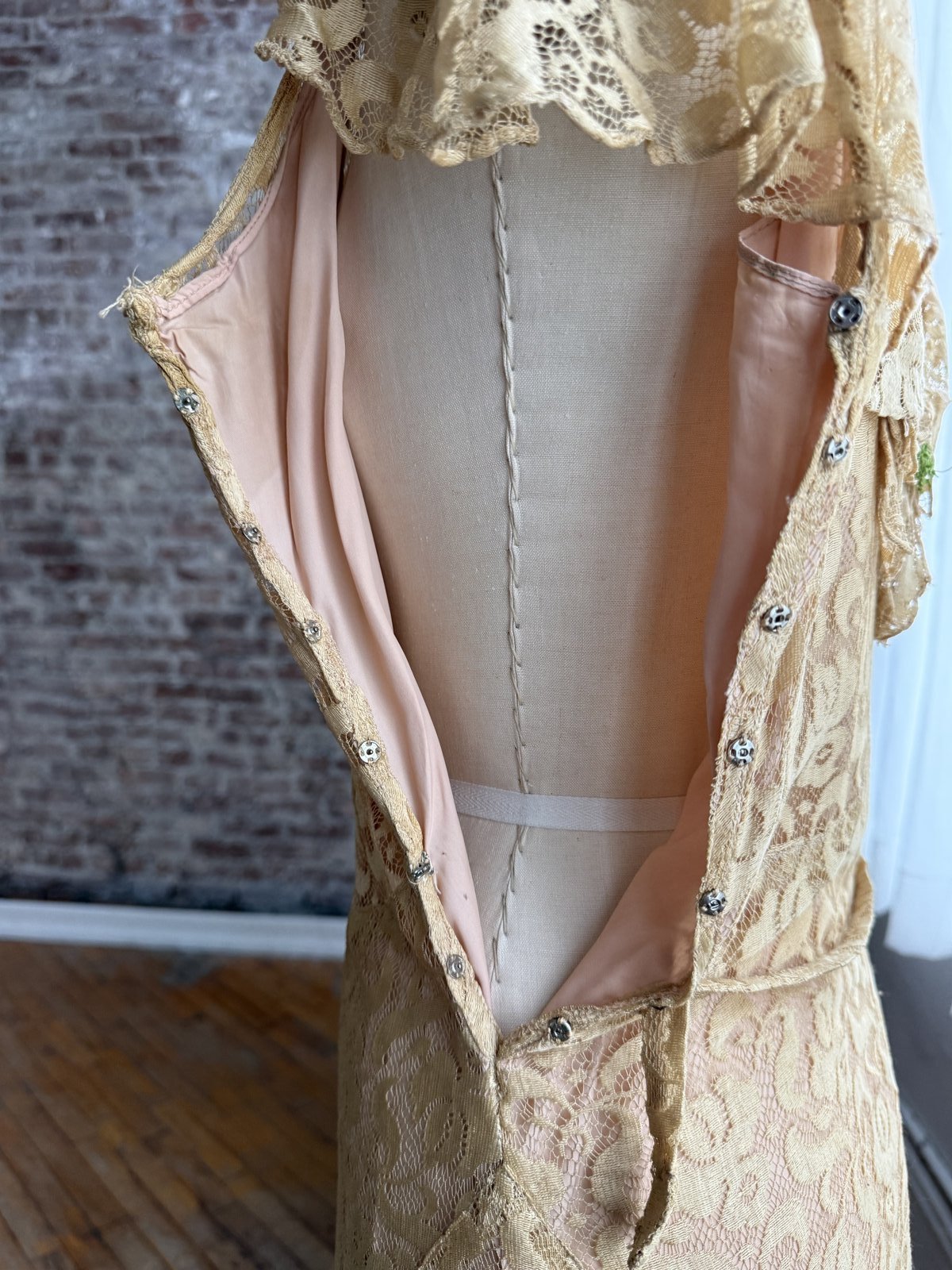
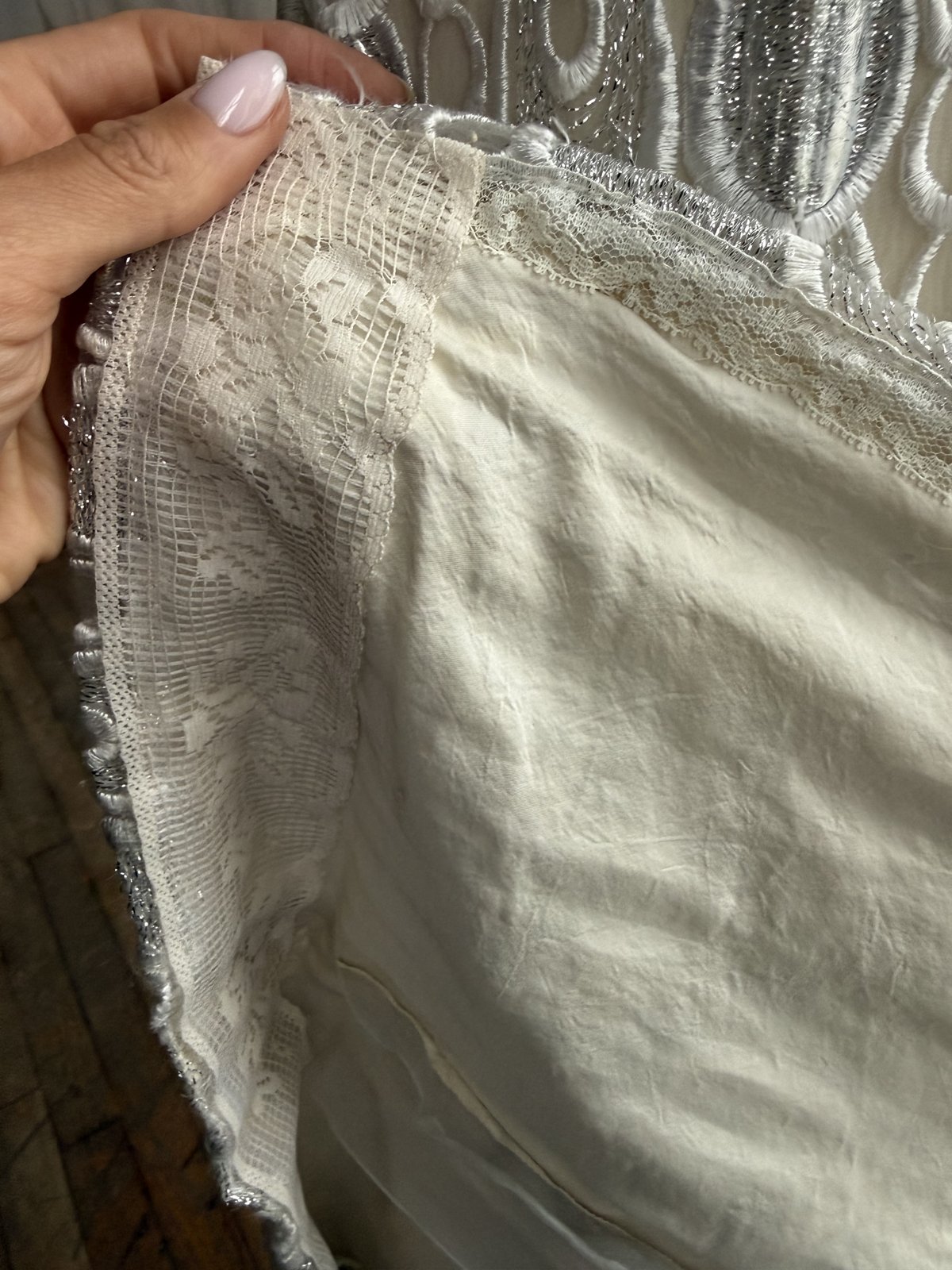
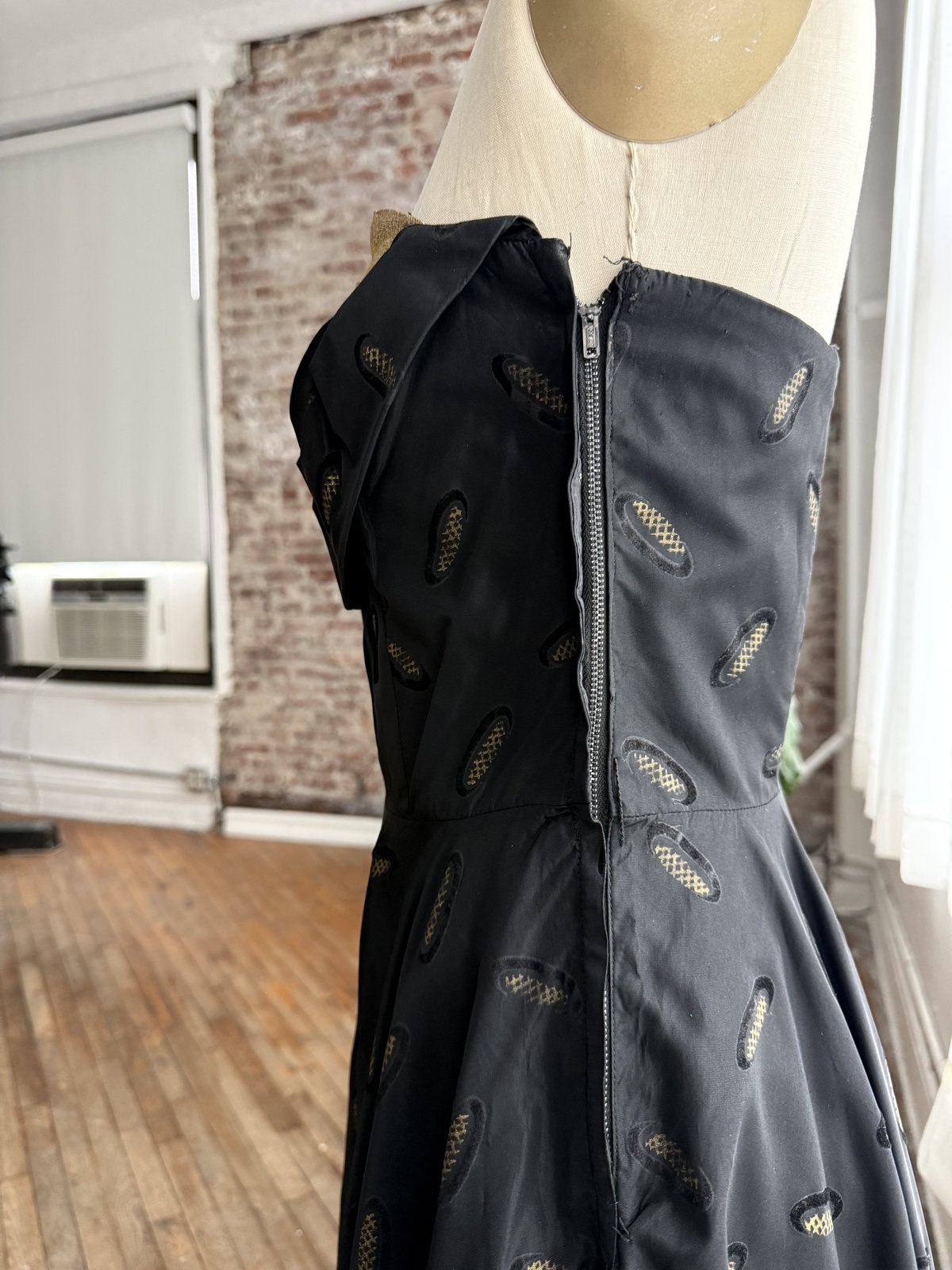
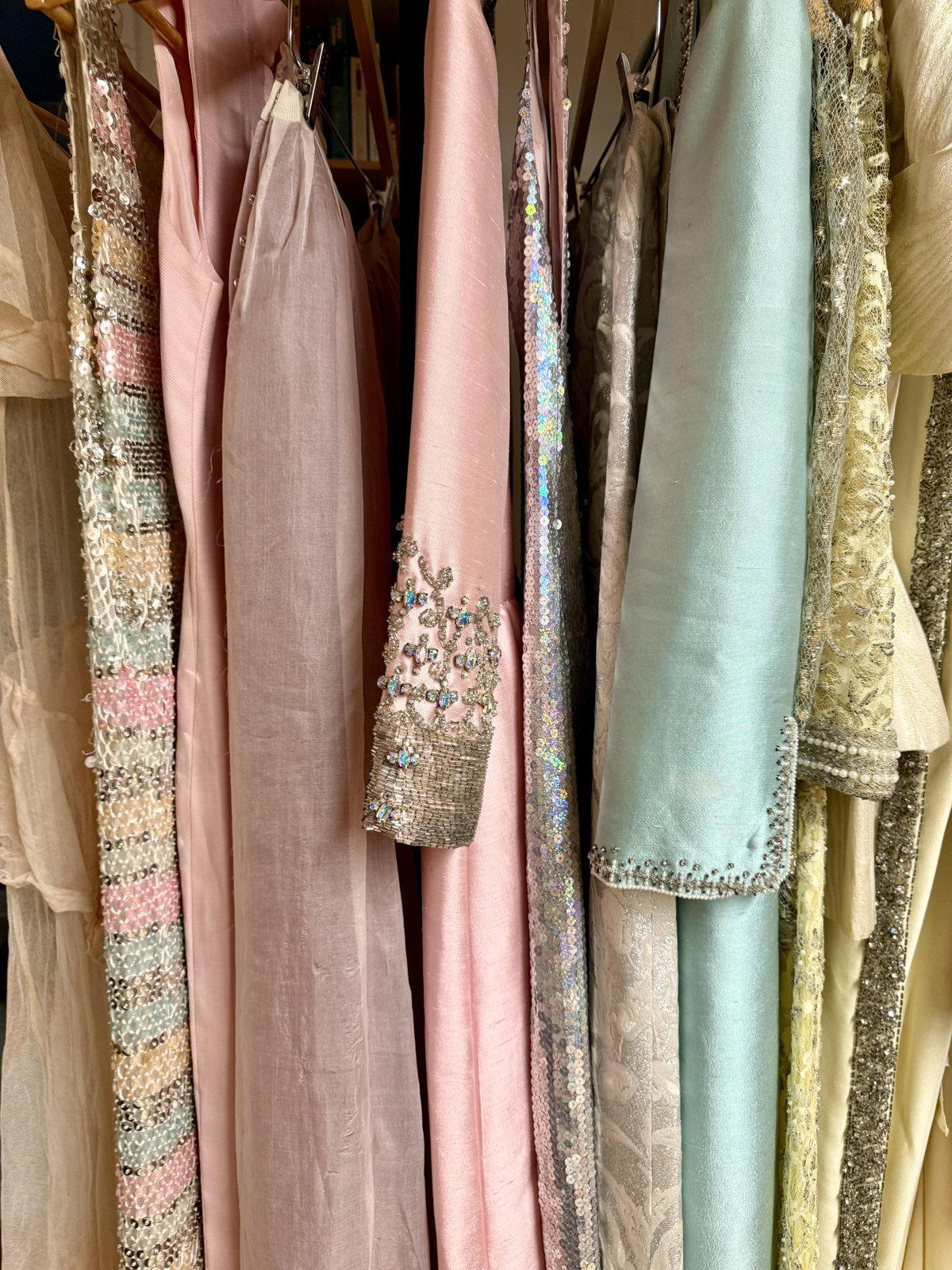
Amanda’s showroom, her upcycles, and the vintage tells she taught us to look for.
Section 02
Credits
- Guest
- Amanda Samuel
- Hosts
- Eva McCloskey & Pamala Buzick Kim
- Creative Director
+ Show Producer - Ky Meyer · Kollective Media
- Producer + Editor
- Narciso Palma · Kollective Media
- Creative Partner
- Tom Christmann · TiNY Ad Agency
- Music Producer
- Elijah B Torn
- Production
- A mavenverse production
Section 03
Transcript
Draft transcript, auto-transcribed and lightly cleaned. Names and terms may be misspelled.
Read full transcript (~17 min)
0:00 Eva The internet wants you to know a little about everything.
0:03 Pamala Headline here, a trending topic there.
0:05 Eva Just enough to have an opinion.
0:07 Pamala But never enough to understand.
0:08 Eva This is you know, too much.
0:10 Pamala A show about the opposite.
0:12 Eva The people who go all the way down the rabbit hole.
0:15 Pamala The collector.
0:16 Eva The overthinker.
0:17 Pamala The obsessive.
0:19 Eva This is, you know, too much.
0:21 Amanda I'm Amanda Samuel, and I know too much about vintage fashion.
0:25 Eva Welcome to you know Too Much. The show that teaches you everything you never knew you needed to know about the people, passions and obsessions shaping our world. I'm Eva McCloskey.
0:36 Pamala And I'm Pamela Busick Kim. And today we're talking about vintage fashion. From luxury labels and timeless craftsmanship to hidden gems tucked away in thrift stores and closets. Vintage clothing offers a unique window into history.
0:50 Eva Joining us today is Amanda Samuel, a vintage fashion expert with a passion for uncovering the stories, details and clues hidden inside garments for decades. Amanda knows way too much about vintage fashion, and by the end of this episode, you will too. Hey, Amanda.
1:07 Amanda Hey, guys, thanks so much for having me.
1:10 Eva Yeah. So happy you're.
1:10 Pamala Here. Yeah. I'm excited. Oh my gosh. And it's gorgeous behind you. Are these all of your frocks?
1:18 Amanda These are just a little taste of what I have. This is like part of my upcycled collection of, my vintage, my broader vintage pieces.
1:27 Pamala Amazing. Is this. Did you always know that? Like, when did you start thinking about vintage? Where you paying attention to it? Was it your original job? Like what? How do we how do we get into this?
1:40 Amanda Yeah. So I started collecting vintage when I was 16. I'm about to turn 40. So many years. And it kind of. Yeah, it kind of started. I was like most good stories do. I had gotten myself in, like, a little bit of trouble, and I had to do community service, and I chose to do, like, community service at the local goodwill.
2:04 Amanda From where I'm from, on Long Island and on, like my first day on the job, I was unpacking these giant garbage bags of clothes and I found this Gucci sweatshirt and I was like 16. I didn't really know much about fashion at that point, like the history or big brands. And I thought, Holy shit, this is crazy.
2:26 Amanda I can't believe I found this. I can't believe someone threw this away. And at the end of my shift, I asked the manager if I could buy it, and they were like, oh yeah, sure are $5. And I was like, what?
2:39 Eva Record scratch.
2:40 Amanda I'm coming back tomorrow. Like vintage was actually in the thrift stores.
2:47 Amanda Yeah. Yeah, a thrift store. And it's, you know, like mostly fast fashion. So it was a golden era, but I didn't know that I it was just, you know, it just all happened very accidentally.
3:00 Pamala Yeah. What's the difference with, what's that definition of vintage then?
3:06 Amanda So most vintage dealers will say somewhere between 20 and 25 years old is the vintage you know, you can call a garment vintage, but people who really love and collect vintage often will use the term. Nowadays we'll hear the term true vintage, and that's really the garments that are made. If I'm being generous 80s and before something in say like 70s and before the tags from the 70s are super interesting too, because you see a lot of these, like small square paper tabs.
3:42 Amanda They're like.
3:42 Eva Yes.
3:43 Amanda Like cardboard.
3:44 Pamala Yeah. Yeah.
3:45 Amanda Interesting and interesting. Yeah. It's more about the age of the garment and less about the brand associated with it. Oh.
3:53 Pamala Okay.
3:54 Amanda Some of my favorite vintage pieces are pieces with no labels on it. Handmade during a time where women and people in general, not just women, but they had seamstresses who made clothes. So a lot of these clothes, like homemade, if you will. It's kind of made by a seamstress. And those styles were often dictated by what was happening in the European market.
4:18 Amanda So what was happening in Paris? What was happening in London? What was happening? I mean, Italy mostly. Paris was like the big and they would send buyers to Paris to see the collections. And then they had these patterns that they would make, and they would buy them.
4:36 Pamala Yes.
4:36 Amanda The style. And then your seamstress would make you the dress based off of the pattern with the fabric that you chose.
4:43 Eva How how can you tell, right. If you can't, if the label and just visually, how do you know when it's from? But also, are we going to be able to have vintage clothes in the future that are produced in the 2000s? Unless they're luxury, that seems like they're just not going to last.
4:59 Amanda I mean, I think that eventually the H&M and the Zara pieces will be considered vintage. Obviously it's going to depend on who you speak to. But you had asked about how do you know? And yeah, that is the trickiest part of it. First and foremost, we can talk about fabric, right? When you feel the fabric, you can feel the difference between even a fabric like polyester.
5:26 Amanda Then you look at like construction. How is this piece made? And if you take a garment and you put it inside out, there's a couple of things that you can start to notice right away. One of them is how was the fabric cut meaning like the end of the fabric? When you see a fabric you like, they use fabric shears.
5:45 Amanda When you see different kinds of cuts on a fabric, whether it's a straight cut or whether sometimes you might see this, like zig.
5:52 Eva The zigzag, right? Pinking like pinking shears.
5:56 Amanda Pinking shears. Yeah. Okay. That's used to stop the fabric from fraying. Right. So when you use a straight scissor, you'll notice that the pieces kind of fall off. So that's also a really telltale sign. Then you can look at things like stitching. If you're somebody who is a collector of t shirts, then you have something called a single stitch or a double stitch.
6:19 Amanda And it's kind of sounds like it's is there one line of stitching or is there two lines of stitching? I love that you were like, she's an expert. The the only like the only thing that I'm really an expert in is like, my curiosity is more right. It's like every time I find a vintage garment, I learn something new about.
6:40 Amanda I like defining that it's vintage and more clothes that you hold on to and you touch. The more you understand the difference. And you just. This is going to sound so woo woo, but I can almost feel like it.
6:54 Eva Just said.
6:55 Amanda It. And I have to like, close my eyes and like, not like, it's from the 50s. Yeah.
7:02 Eva Tell us more about hardware and how. Yeah. Like the, the the placement of it. That's really interesting to me. Tell us more about that. How does that relate to like when.
7:13 Pamala Yeah. Like if zippers really changed. Yeah.
7:15 Amanda Well they've changed in the way that they're constructed and what materials they're made okay okay. Placement. So placement is really a great indicator actually the best indicator of age is if you're thinking about hardware is the lack of a zipper. So if you look at a right okay. Let's like start from the 19th. Let's start from the Victorian era, like the 19 or the late 1800s or the.
7:40 Amanda Yes, please. Hundreds. You find a garment from there and you're like, okay, how am I getting into a million little snaps that yeah, yeah. The garment never exposed on the back, always on the side. Right. Okay. Any place that you see snaps or for children's wear, buttons very today's world, it would just be a zipper. That's like a great first indicator that this is an old.
8:06 Amanda You're holding on to an old piece of clothing because.
8:10 Eva Because zippers didn't exist yet for clothing or.
8:14 Amanda Did, but they were not allowed to be used in women's clothes. Only in men's clothes.
8:18 Pamala Oh.
8:19 Amanda Yeah. Why it was cool for you to see a woman with this, because that would indicate that it's easy to take.
8:26 Eva A take off her clothes.
8:27 Pamala A loose lady. Yeah, yeah, yeah.
8:30 Amanda I mean, they were, like, zipped and laced and not.
8:33 Eva Corseted, right?
8:35 Amanda Yeah. And then their overlay would always just be something super with little dainty snaps or little hands going down into tiny Victorian buttons. They're like.
8:46 Pamala Yeah, tiny.
8:47 Amanda Buttons.
8:48 Pamala Yeah.
8:48 Amanda So that's, a great indicator of something that you may call a lot of people, kind of there's a Victorian era, then there's like the Edwardian era, right. You might think of white in lawn dresses with the little snaps going down the side and the like that, that might be from like the Edwardian era or prior when a zipper became, you know, usable for in women's clothing was decent I guess enough for women's clothing.
9:19 Amanda They would always put them on the side for garment. And so anytime you see a zipper on the side here, you know that it is from the 1950s or before.
9:33 Pamala Okay. Oh, interesting.
9:36 Amanda And zippers at that time, because they were made of metal. That's. Yeah. Going to be an indicator, a metal zipper. The wear zipper pull.
9:47 Pamala Right. Okay.
9:49 Amanda Teeth are metal and the zipper pull is also metal.
9:53 Pamala And they were probably heavier.
9:54 Amanda Yes, they were heavier. Yeah. And and instead, to be respectful, you would then make like a, like a little gusset. Like a little, like a cover. Like, like. Yeah. Over the zipper. Yeah. And hot tip for anyone who has a piece of vintage. No, it has a metal zipper. When the zippers start to act up. And it's not like a smooth zip.
10:16 Amanda Yeah. Take a piece of, like, wax from a candle and. Yeah, up and down the zipper, and then it'll go up and down much easier.
10:23 Pamala Oh, interesting.
10:25 Eva Hot tip.
10:26 Amanda That Brad. Yeah.
10:27 Eva Gotta lube up those vintage zips.
10:31 Amanda Wow.
10:34 Pamala When did when did zipper start to become on the back and become made of, like, I assume, plastic, I guess.
10:41 Amanda Yeah. So actually, zippers went to the center back of a garment in the 60s. So is early 60s. So, you know, that's why there's not ever like a hard, fast rule because clothes were still being made by seamstresses. I would say most garments that were made in the 60s, you can tell because it has a center back metal zipper metal sometimes used in the late 50s to the early 60s.
11:07 Amanda They place them in the center back. Obviously, it's much more convenient for women to get in and out of clothing that way. Yeah, it up instead of just, you know, giving you a little extra room. So that is a great indicator that a piece is from the 1960s to the late 50s to the 60s.
11:24 Pamala Okay.
11:25 Amanda When did they change material? In the 70s and the 70s have like the 60s has a very iconic zipper. The 70s also have a very iconic zipper. Yeah. The zipper, they change the zippers out. They started making them from acrylic or like, it wasn't like plastic and believe it was acrylic.
11:47 Pamala Okay.
11:47 Amanda You know, like zippers. But the point that you can tell is the actual zipper pull went from being like a rectangle in metal to being like a point at the bottom.
12:02 Pamala Yeah.
12:02 Amanda Well, the the coils are not made of metal. They're made of what look like a plastic, but it's, you know, acrylic. Yeah, like an acrylic. And then the metal tab is like a pointy pull and they're ugly. They're like, not attractive at all. Almost like it's just like me. It's almost like an upside down triangle, but, like, not as.
12:26 Pamala Hard.
12:27 Amanda Line.
12:28 Pamala Okay. So then it's like this weird, sort of slender, pointy thing with acrylic. Okay. And they're mostly on the back. Is there more to the history of the zipper? Yeah, I didn't get further.
12:40 Amanda Than the zipper changes again. And in the, like 80s and then really in the 90s and then the Y2K, we go, you'll see the rise of the invisible zipper. That's like the zipper that you see today. It's got a thin little pull. But the key is that when you actually go to zipper it, it makes like I seen.
13:04 Eva Like an elevator.
13:05 Amanda It's like it almost looks like a perfect like seam just going down instead of the actual.
13:14 Pamala Interest.
13:14 Eva That didn't happen until the 90s.
13:16 Amanda It happened in the 80s, like in the later 80s.
13:19 Eva Okay.
13:21 Amanda You know, the thing about the 80s, which is so tricky, is that that's when mass manufacturing started, late 70s into the 80s, right? That when it started joining, the one right thing became more accessible. Whatever clothing to become more accessible, it has to be made quicker, cheaper and in more sizes.
13:41 Pamala Right? Right, right. Interesting.
13:44 Amanda The rise of the invisible zipper. I love a metal zipper because I know that it means history.
13:52 Eva Yeah.
13:52 Amanda But like and one of the things that are kind of tricky is when you find a garment, oftentimes the zippers are like the first thing people change because they break, right?
14:05 Pamala Right.
14:05 Amanda You might have a dress from the 60s with an invisible zipper and you're like, oh my God, is this what era is?
14:11 Eva Oh, right. Because it's been altered.
14:14 Amanda It's been altered. It's been changed.
14:17 Eva And that's the zipper pull. I was thinking about earlier. It's often kind of shaped like a giant.
14:23 Pamala I. Yeah, I like my big clunky hands. I'm like the.
14:27 Amanda 70s I would like, but I think it's actually nylon is the nylon I knew. Okay, I think I.
14:33 Eva Like for like.
14:34 Pamala Yeah, okay. Amazing. What's, what's the difference between upcycling and vintage okay.
14:41 Amanda Cool. Upcycling is when you take a garment and whether it's a new garment or an old garment and you're changing it, you're reworking it and you're buying into something new. I upcycle, which is like, what's behind me here? Men's button downs. I read work the shape. I had ostrich feathers that you can that are detachable, and then I resell that garment as a whole new piece now cool.
15:10 Amanda Or a tablecloth? That's a great example. Like. Yeah. I've made dresses from tablecloths before, but it's like I found this beautiful tablecloth and now I call, well, who uses crochet tablecloths anymore?
15:22 Pamala Yeah, truly.
15:24 Amanda I like I mean, I think we should bring that back, but it's not going to happen.
15:29 Pamala Yeah.
15:29 Amanda So I put my pattern, I made a pattern, and I laid it down on the, on the tablecloth, and I cut, whole dress from the fabric and re upcycled, I took something new tablecloth and now is a dress.
15:44 Pamala Oh, awesome. So go.
15:46 Amanda Yeah.
15:46 Pamala So that's so cool. As a so.
15:49 Amanda Cool online doing really interesting things of upcycling. I'm we're inspired by that.
15:54 Pamala Yeah that's amazing. And so then it is vintage just like more more like you said more intentional, more curated. You're finding it. You're specifically dating it, identifying it in that realm.
16:07 Amanda Yes, all of those things. But the most important driving factor is the age of the garment.
16:11 Pamala The age of the.
16:12 Amanda Garment. If it's not 20 years or older, you really can't call it vintage.
16:18 Pamala Okay. All right. Got it. Amazing. Sweet. Yeah. I mean, is there anything before we before we wrap up, is there anything you want us or, like, want the world to know about vintage or about kind of this ramen world that you're so passionate about?
16:35 Amanda Everyone should be buying vintage and stop buying fast fashion.
16:39 Pamala Yes, yes.
16:41 Amanda More importantly than anything else, no matter what you buy, I think people's need to start putting much more effort into caring for their garments. And less disposable. Even if it's a piece that is disposable. Right? Or is a fast fashion piece, there's no reason why you shouldn't cherish that piece and take good care of it. So, I want people to start learning how to mend or knowing who to go to, to mend and to fix their things, and all because something has a hole doesn't mean that it goes in the trash.
17:17 Pamala Yeah, yeah.
17:18 Eva Upcycle that, upcycle that holey blazer.
17:22 Amanda Yeah.
17:23 Pamala Amazing. Well, that's all for today's episode of, You know, Too much. Huge thank you to Amanda Samuel for sharing her insights into vintage fashion, its history, and the stories hidden inside the clothes we wear.
17:36 Eva If you enjoyed this conversation, please subscribe. Leave us a review. Glowing five stars only and share it with someone who'd love it. Explore more episodes and behind the scenes content at You Know Too Much stop media.
17:49 Pamala Follow us on Instagram and YouTube to keep the obsession going. Thank you so much, Amanda, for having me. Yeah.
17:57 Eva Thank you and thank you for tuning in. Until next time.