Section 01
Extras
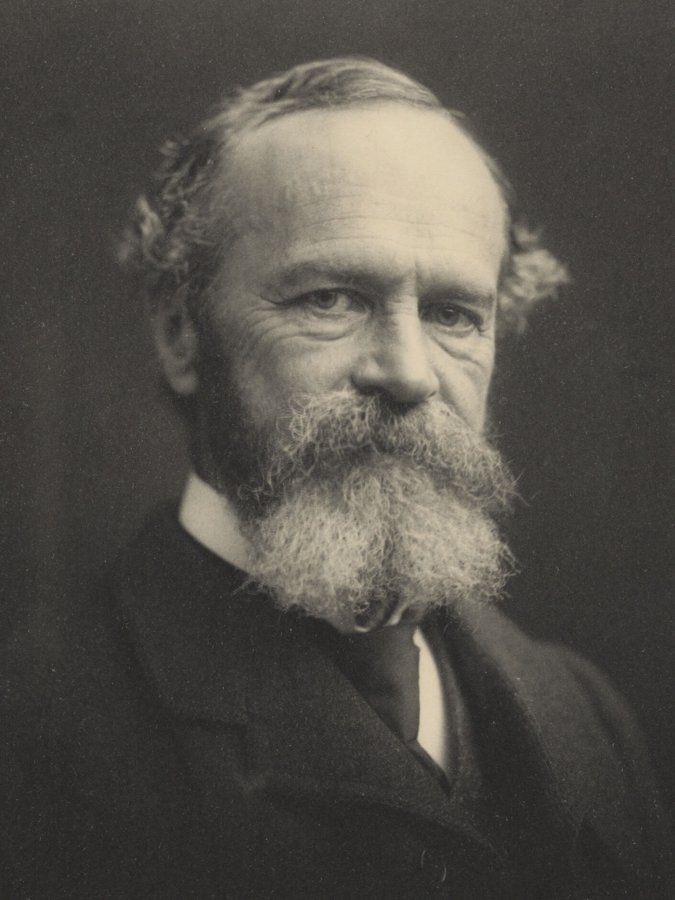
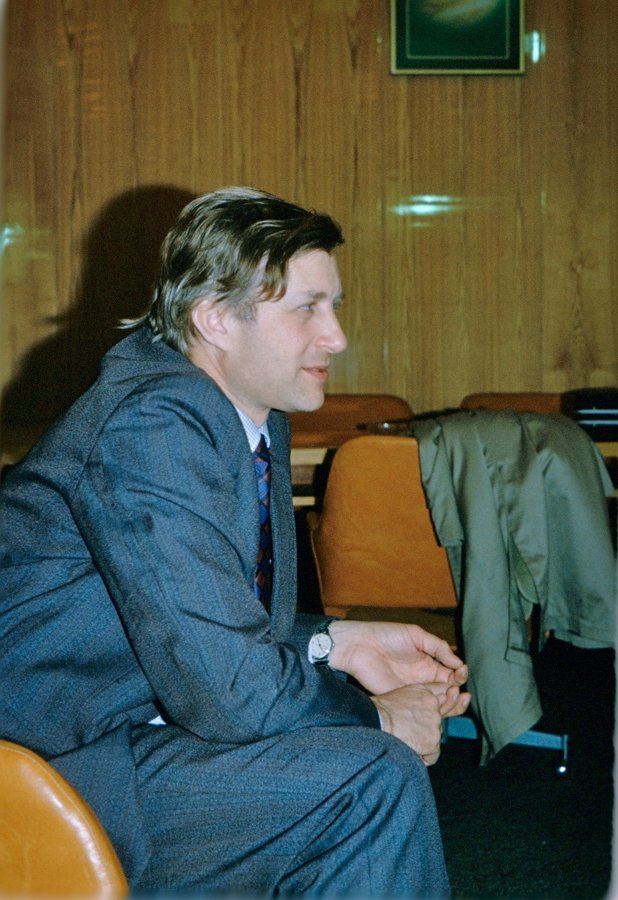
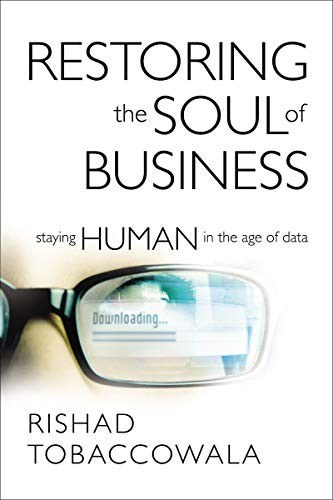
The four people Mark name-checks, the economist he’s arguing with, the psychologist, the physicist, and the adman on creativity.
Section 02
Credits
- Guest
- Mark Rukman
- Hosts
- Eva McCloskey & Pamala Buzick Kim
- Creative Director
+ Show Producer - Ky Meyer · Kollective Media
- Producer + Editor
- Narciso Palma · Kollective Media
- Creative Partner
- Tom Christmann · TiNY Ad Agency
- Music Producer
- Elijah B Torn
- Production
- A mavenverse production
Section 03
Transcript
Draft transcript, auto-transcribed and lightly cleaned. Names and terms may be misspelled.
Read full transcript (~16 min)
0:00 Mark I wake up my wife, I'm like, "That's it, Robert J., you're going down."
0:06 Eva Hey, Pamala. What's the last thing you did before you sat down for this?
0:09 Pamala That's very personal. I went to the bathroom.
0:13 Eva Like indoors. Congrats. Your great grandmother didn't. (Laughter.)
0:18 Pamala What's happening? Well, what do we want to talk about? All right... Mark.
0:25 Eva Hey, Mark.
0:27 Mark Hello. How are you doing?
0:29 Pamala Thanks for being here. I'm super pumped today because I don't know... There's a "Special Century." Let's start there.
0:35 Eva Yeah, let's start there.
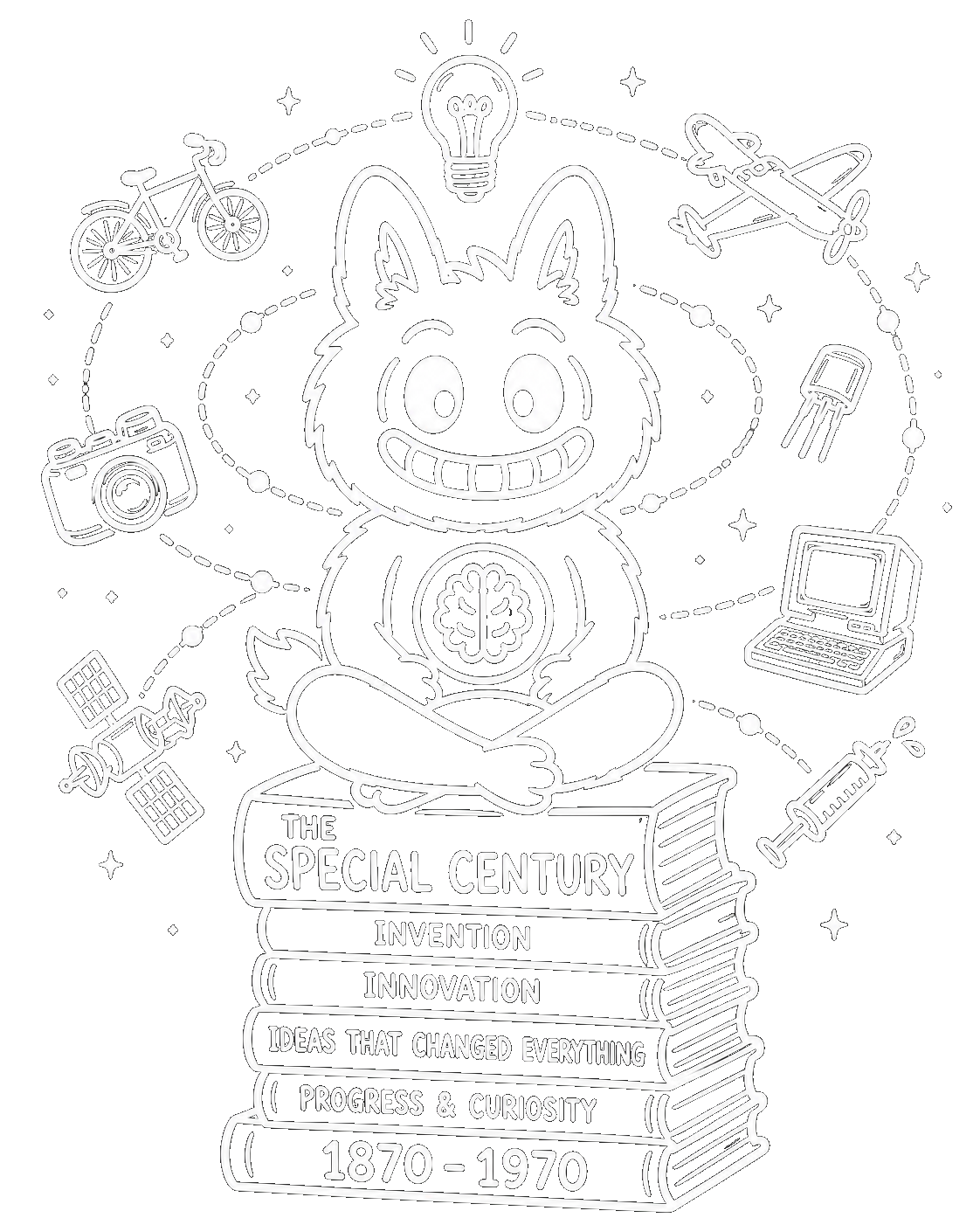
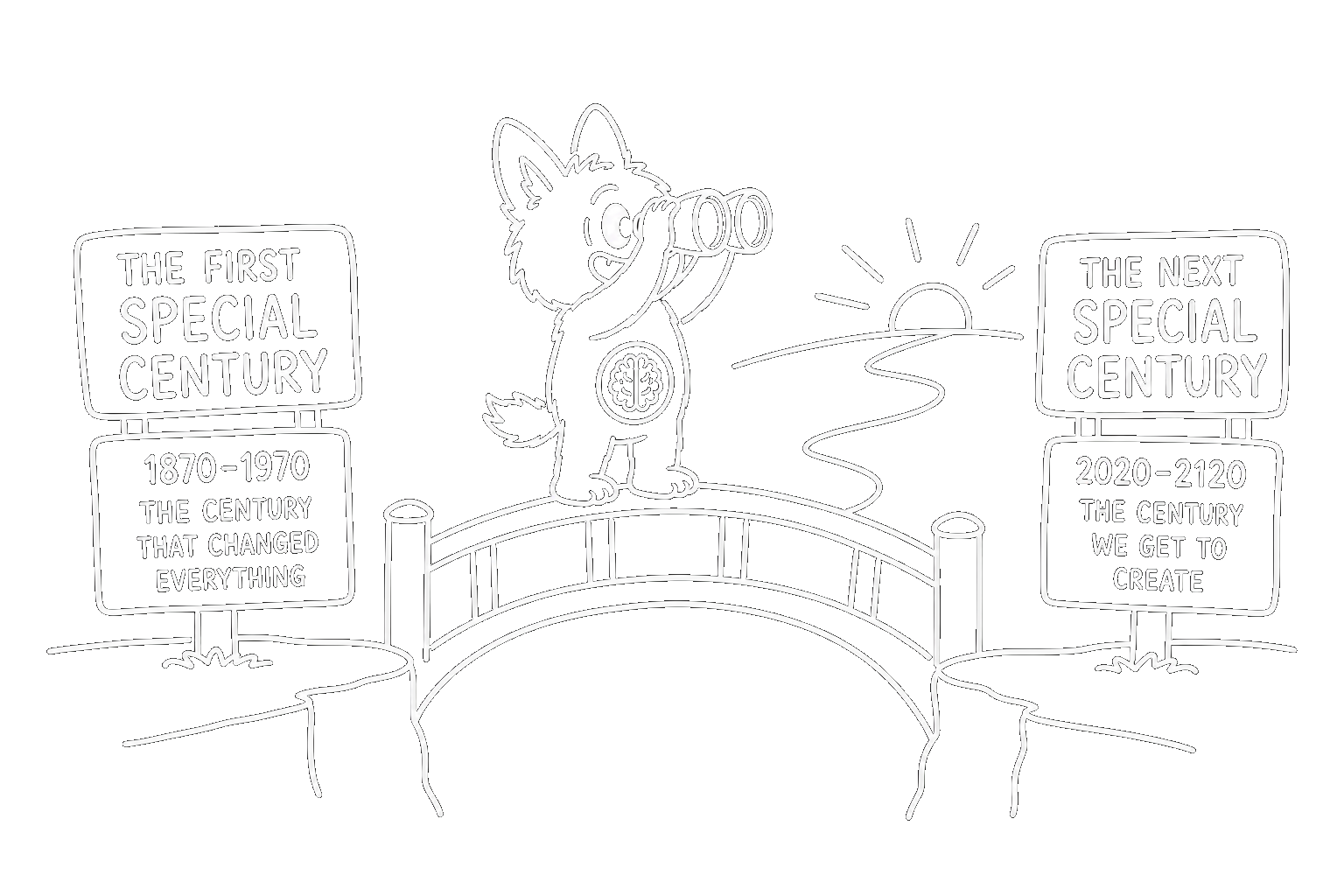
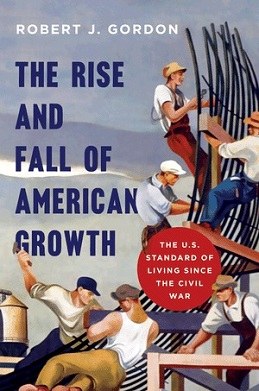
0:35 Mark Sure. I'll define that. "Special Century" comes from Robert J. Gordon. Robert J. Gordon is a macroeconomist and economic historian at Northwestern. He wrote a book in 2017 called The Rise and Fall of American Growth. In that book he tracks the period from 1870 to 1970, which he calls the "Special Century."
1:03 Mark We put a man on the moon. Electricity became the beginning of the nervous system. If you think about AI today, all of that electrical infrastructure wasn't really reflected in productivity statistics until around 1920.
1:10 Eva Yeah.
1:25 Mark Humanity is filled with J-curves. Everybody gets excited. "Oh... I don't know what I'm doing." "Oh wow... this is going to be great." The nervous system was only the beginning. Why do I think we're headed toward another Special Century? Because this time we're building the brain and nervous system of industrial civilization that we didn't build the first time.
1:51 Mark That's the first phase. The next phase is robotics. Androids. Advanced robotics. That's where you build the muscles and skeleton. We'll probably be too old to see that fully realized, but we'll absolutely experience the J-curve because... Think about all the data centers.
2:05 Pamala Yeah.
2:05 Eva Yeah.
2:13 Mark That's just the beginning of AI infrastructure.
2:13 Eva Yeah.
2:16 Pamala Yeah. That was what I was curious about. Everything you described is physical. Plumbing. Electricity. Infrastructure. What could become the next Special Century doesn't necessarily feel physical to me. But I guess what you're mean is that the data centers... ...and then robotics... ...those become the physical elements beyond the nervous system.
2:22 Mark Exactly.
2:44 Mark You're building all of those physical elements. The dendrites. The nerve cells. Everything necessary to support intelligence. You're going to need these data centers because everything is eventually going to run in the cloud. Right now we simply don't have enough compute capacity for what's coming.
3:00 Pamala Yeah.
3:05 Mark We're still building that capacity.
3:07 Pamala How did you get into this? What made you start thinking this way?
3:11 Mark I was born working class. If I'd been born rich, I'd be a history professor. History has always been my first love. Okay... This is me also being a dork.
3:22 Eva Where would we be without you?
3:32 Pamala So when did this sense that... "This could be..." or... "This is going to be..." the next Special Century... When did that realization first come to you? MASTER TRANSCRIPT PART 2 (Chronological Reconstruction)
3:38 Mark I stumbled across Robert Gordon's book and thought, "Something's here." One morning I was playing around with AI. I kept asking myself, "Why do I disagree with him?" I literally woke up my wife. I was like, "That's it! Robert J. Gordon... You're going down." She was just looking at me like, "What is going on?" Then it clicked. I realized where I thought the entire premise of the book was wrong.
3:52 Eva I...
4:01 Mark His premise is that you're never going to have that type of growth again. Think about 1940. Roughly eighty percent of homes had become "networked." What did that mean? Running water. Electricity. Telephones. Phones already existed, but they weren't nearly as widespread as they are today.
4:03 Eva I... I...
4:32 Mark The funny thing is... The telephone was really the first social media. Especially in rural communities. People would listen in on the party line. That's where the gossip came from. That's how people learned what was happening around town.
4:49 Eva Right. Yes.
4:52 Mark The leap today is intelligence. Autonomous agents. Systems that can think alongside us. We've all watched Westworld. We all know the horror stories.
5:16 Mark But remember... The greatest productivity gains happened between 1920 and 1970. World War I had just ended. Then we experienced the Great Depression. Then World War II. William James, the father of American psychology, once said, "War is the gory nurse of social cohesion."
5:23 Pamala Yeah. Yeah, I think certainly as Americans we've had it pretty light because we haven't even had war on our own land for a very, very long time.
5:30 Eva Yeah.
5:34 Eva Yeah.
5:34 Mark We really haven't had a unifying force like World War II. We haven't experienced a shared trauma that bonded everyone together. The closest thing since then was 9/11.
5:45 Eva Yeah.
5:48 Eva That... That was... Yeah. Vivid.
5:51 Pamala So I guess my question about growth... Sometimes I interpret growth to mean more population... More people. But I don't think that's necessarily what you mean. Or is it?
6:02 Mark First of all... Growth is omnidirectional. Think about electricity. It took nearly forty years before humanity really understood how to use it productively.
6:13 Eva Right.
6:15 Pamala So do you worry about resources? Or do you think everything eventually balances itself out? Cause and effect?
6:25 Mark Okay... I'm going to be a dork again. One of my friends introduced me to Kardashev. Have you heard of the Kardashev Scale? A Type I civilization efficiently uses all the resources available on its planet. A Type II civilization uses the resources of its entire solar system. A Type III civilization uses the resources of an entire galaxy.
6:27 Pamala Yes, please.
6:35 Eva No.
6:49 Mark Where are we? Somewhere around... Point four. Maybe point six. Let's just call it halfway to a Type I civilization.
6:49 Eva Okay.
7:10 Eva Negative.
7:19 Mark But I do think we're moving in the right direction.
7:24 Pamala I guess the big conversation around all of this is water... ...and data centers. Do you think we'll reach that Type I level before we've done too much damage? These are enormous facilities. I hear you saying we're headed somewhere good... But what gets us there? MASTER TRANSCRIPT PART 3 (Chronological Reconstruction)
7:42 Pamala But I guess... ...at what means will we get there?
7:45 Mark So what does that actually look like? Let's say you're going to have a data center built in your town. Great. You never pay utility bills again. If you don't want to live there anymore, we'll buy your house for two weeks above market value so you can relocate. If you stay... ...here are the risks. But you'll be compensated appropriately for taking those risks.
7:47 Pamala Yeah.
8:06 Pamala I think...
8:06 Mark Because I don't think data centers are not going to be built. They're coming. But if people don't receive some share of the benefit... ...those data centers are eventually going to be sabotaged.
8:18 Pamala What do you hope shows up during the Special Century? In your lifetime... ...and beyond your lifetime? What do you hope happens?
8:30 Mark Maybe not in our lifetime... ...but I don't think living to 120 years old is going to be that unusual.
8:37 Pamala But do we want to...
8:38 Eva Yeah. Jeez. Yeah. No.
8:39 Mark That's actually a different question. Right now we're somewhere in the middle of a digital reformation. What I think eventually happens is this... The lifestyle we currently define as middle class inside the G7... becomes the baseline.
8:40 Pamala Yeah... I don't know... Wait... What do...
8:55 Eva Yeah.
8:56 Pamala Yeah.
9:03 Mark Because androids will eventually be capable of providing that standard of living.
9:12 Pamala I mean... Technically... that could be the baseline today. We just choose for it not to be. Right?
9:15 Eva No. No.
9:17 Mark Exactly. We choose not to. Because we've invested heavily in systems that reinforce those beliefs. I was the kid who stopped standing for the Pledge of Allegiance in third grade. When the teacher challenged me... I went and looked up the Supreme Court case. I brought it back. I said, "Here's the ruling." "You can't make me." Next question. They left me alone after that.
9:42 Pamala Yeah.
9:43 Eva I bet you were a joy to have in third grade. (Laughter.)
9:47 Mark That's why when I attended my first planner and strategist conference... I thought, "Oh... here are all the other kids who got straight A's... ...and got kicked out of class." Teachers eventually just told us, "Did you already read the chapter?" "Okay. Go to the library and leave me alone."
9:51 Eva Yeah. My people. Totally. Yeah.
9:53 Pamala Yeah.
9:57 Pamala Okay.
10:03 Eva Yeah. Yeah. Live in peace.
10:03 Pamala Yeah... Yeah... Yeah... Okay. So... A higher standard of living becomes the baseline. What are some of the other things you think happen after that?
10:04 Mark Exactly.
10:09 Eva Yeah. Love it.
10:14 Mark I think we're moving into what some people have called... the Age of Creativity. Right now... people are largely judged by what they do. Their profession. Their job. Their work. But what happens when everyone's basic needs are met? MASTER TRANSCRIPT PART 4 (Chronological Reconstruction)
10:33 Mark If creativity becomes the new literacy... ...what if people begin to be judged by what they create instead of what they produce for someone else? One of the things I wrote a few years ago was that creativity will do for this century what literacy did for Europe between the 1500s and the 1700s.
10:57 Mark Creativity is going to change everything.
11:02 Pamala What forms... Give us some examples. What forms do you think creativity could take?
11:09 Mark Think about Da Vinci's time. There simply weren't that many creatives. Mass creativity really didn't emerge until advertising. The famous posters in Paris... Toulouse-Lautrec... That was advertising. But the more people go through the process of creating... ...the more capable they become of understanding someone else's perspective.
11:13 Eva Right.
11:29 Eva Right. Yeah. It's romantic to think about.
11:30 Pamala Yeah.
11:44 Pamala Yeah. I mean... Feelings are the one thing we all share. I agree with you. We're feeling increasingly disconnected from one another because empathy is disappearing. Creativity speaks to everyone. Mark... How are you preparing for the Special Century?
11:45 Eva Yes.
12:02 Pamala What does your day actually look like? Obviously you're researching... Thinking... Reading... Probably fever dreaming about all of this... But what are you actually doing?
12:15 Mark Honestly... I'm doing what almost everybody in the professional class is doing. Partly hoping. Partly investing. Partly wishing the worst doesn't happen. I've read enough history to know what the possible scenarios are. But they're still only possibilities. History also tells us we've always found our way through.
12:27 Eva No doubt.
12:46 Mark Sometimes humanity doesn't recover within a single lifetime... ...but eventually... ...we recover.
12:50 Eva It's true.
12:51 Pamala Fair. So... Do you feel a responsibility to share that hope? Because you've studied history so deeply... ...and because you genuinely believe there is hope?
13:05 Mark I do. I feel a need to share history.
13:15 Eva Well... I appreciate that. Your obligation has led you to us... ...so that we can learn from you.
13:21 Mark I don't know if I'd call it an obligation. I'd probably describe it as... ...a sickness. (Laughter.) If I'd been born rich... I'd be a history professor. If I'd been born upper middle class... I'd probably be a comedian. Instead... I was born working class... ...and ended up in advertising.
13:27 Eva Okay. Okay. Fair. Fair.
13:34 Eva Yeah.
13:39 Mark Which is basically a combination of all of those things. We're the town howlers. Somebody has to stand around the fire... ...and tell the stories. I guess that's us.
13:42 Eva Yes.
13:43 Pamala Yeah. We're just all the town howlers. That's all. Yeah.
13:45 Eva It's good. It's good company to be in.
13:54 Pamala Well... That's all for today's episode of You Know Too Much. A huge thank you to Mark Rukman for sharing his insights on history, innovation, and the forces that could shape the next great era of human progress.
14:09 Eva If you enjoyed this conversation... Please subscribe. Leave us a review. Share this episode with someone who'd enjoy it. And explore more episodes and behind-the-scenes content at youknowtoomuch.media.
14:20 Pamala Follow us on Instagram and YouTube to keep the obsession going. Thanks so much, Mark.
14:25 Mark Thank you.
14:27 Eva Yeah. Thanks so much, Mark. (End of Episode)