Section 01
Extras
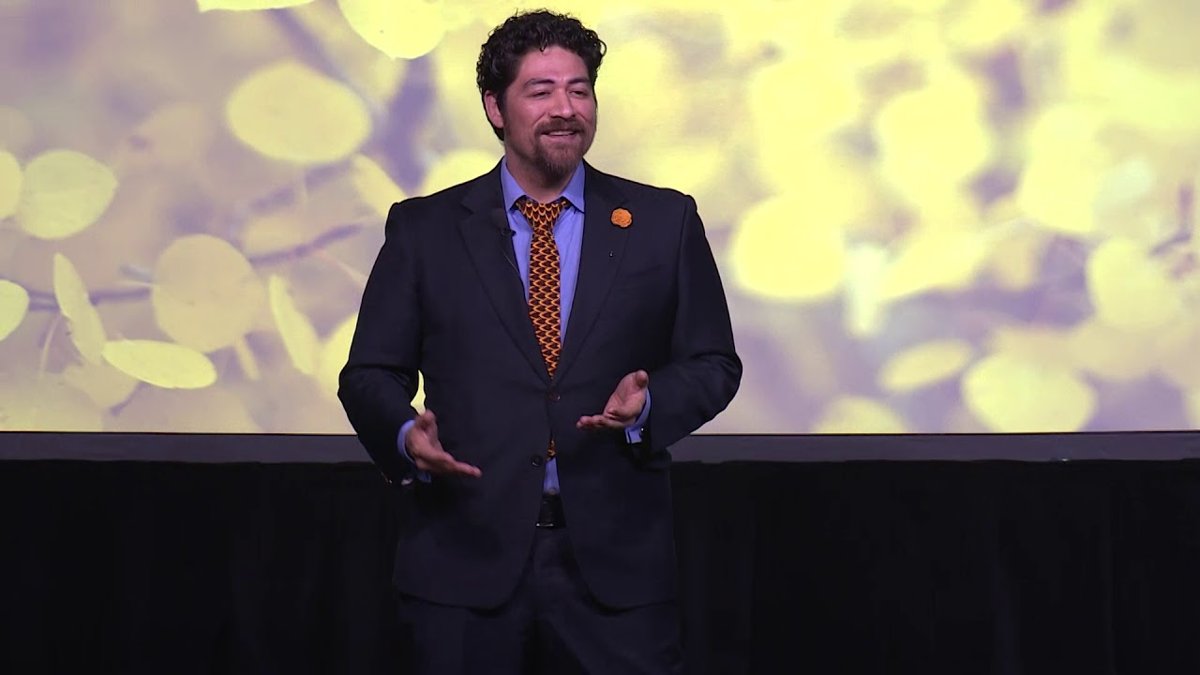
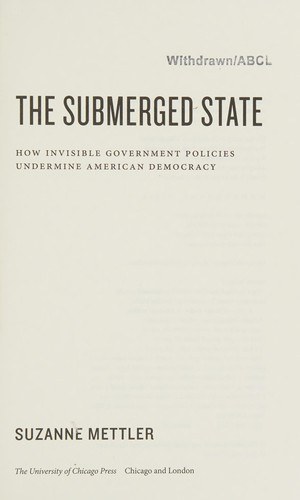
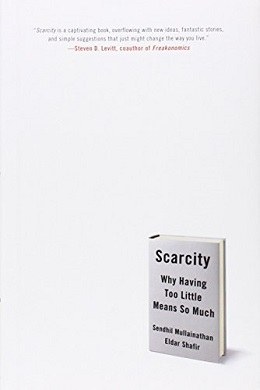
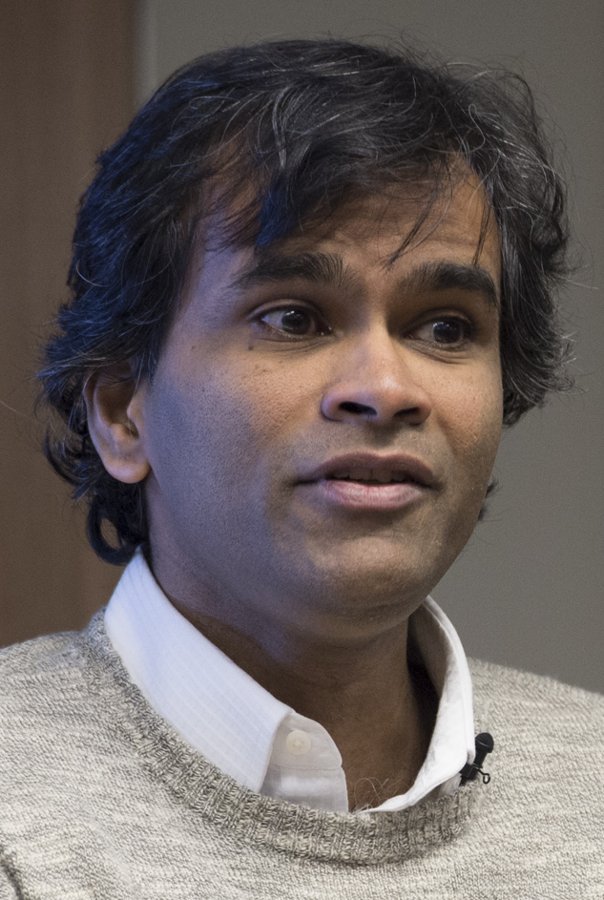
The people, books, and talks Anthony wants you to chase down, from the Mullainathan/Shafir scarcity research to his own Aspen talk on generosity in social policy.

Section 02
Credits
- Guest
- Anthony Barrows
- Hosts
- Eva McCloskey & Pamala Buzick Kim
- Creative Director
+ Show Producer - Ky Meyer · Kollective Media
- Producer + Editor
- Narciso Palma · Kollective Media
- Creative Partner
- Tom Christmann · TiNY Ad Agency
- Music Producer
- Elijah B Torn
- Production
- A mavenverse production
Section 03
Transcript
Draft transcript, auto-transcribed and lightly cleaned. Names and terms may be misspelled.
Read full transcript (~17 min)
0:00 Anthony How smart people can do apparently stupid things, how ethical people can do shady things.
0:05 Pamala Welcome to you know, Too much the bite size show or at the time it takes lady to borrow a cup of coffee that teaches you everything you never knew you needed to know about one person’s beautifully specific obsession. I’m Pamela Busa Kim.
0:18 Eva And I’m Eva McCloskey. Hey, Pamala. What’s something you meant to do this past weekend?
0:23 Pamala And okay, find there’s these gardening shades, and I’ve been meaning to put them up for over a year. And almost every weekend I think about it. And then it just never happens. Yeah. Over, over a year. Hi, Anthony. So, what is it that you know too much about?
0:31 Eva So a year.
0:37 Eva Hi, Anthony.
0:37 Anthony Hey, seven.
0:43 Anthony Yeah, I know way too much about human behavior, so I, Ziva has suggested I’ve worked for a long time, thinking about why people do what they do. Especially when they do stuff that’s unexpected. So think about, for example, and I know neither of you because you’re excellent people who always do the right thing. But many of us, many of us can have a different outcome than we intend sometimes.
1:05 Eva Oh, it’s.
1:09 Anthony So if you’re listening, if you’re watching, I want you to think about the last time that you meant to, like, wake up in the morning at like 5 a.m. and go for a half hour jog. But then when 5 a.m. came around and the alarm clock went off, you’re hitting the snooze button until seven. And then maybe, like, crawling out of bed just in time to shower for work.
1:10 Pamala Italian.
1:19 Eva So.
1:28 Anthony Maybe. Maybe you’ve been meaning to adjust your, like, savings, retirement for a long time, to adjust the like, portfolio and your 401 K or nine not to. But like really the last time you actually did it, or you didn’t stuff that, but they could work, work or even stuff that’s like way, way, way more serious, like taking your medication.
1:33 Eva The.
1:35 Pamala Oh, yeah. All the time. Yeah, yeah, all the time. When I last time I had one.
1:41 Eva Yeah. Yeah. Yeah.
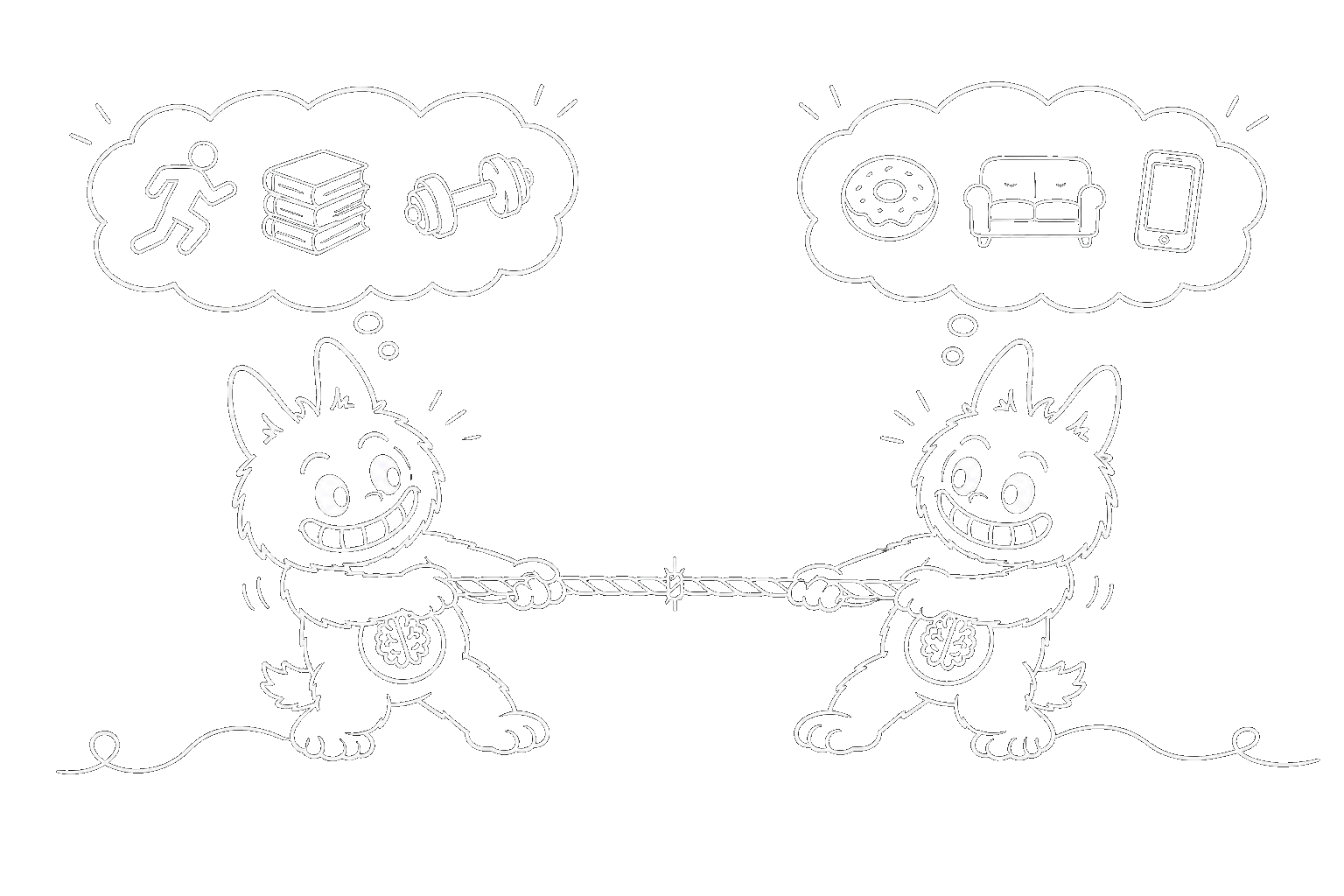
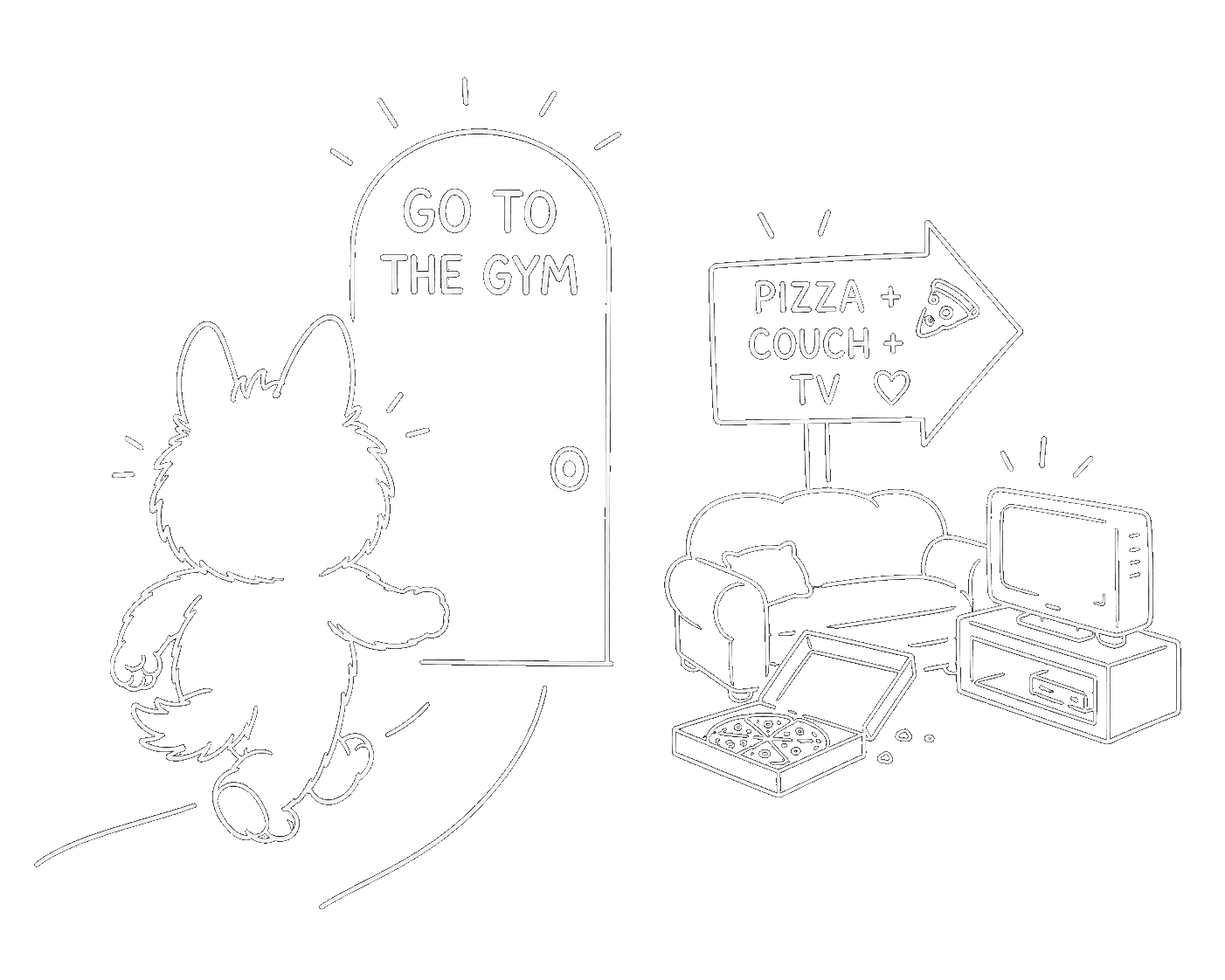
1:49 Anthony So maybe you have to have a daily regime to, like keep yourself alive and healthy. And there are days or weeks, where you might miss one or more, all of your doses. This is what we call the intention action gap. So you don’t need to be educated into thinking that these things are good, or to know why you’re supposed to do them.
2:09 Anthony And you’ve already got an intention. You mean to do the exercise? You mean to do more saving? You mean to keep yourself alive with your medication? But there’s a gap between what you intend to do and what you actually do. And so that’s the heart of a lot of work that happens in applied behavioral science.
2:09 Pamala Okay.
2:24 Pamala Had. Yeah. Had this first. Get on your radar. Like, what made you first think of. Yeah. How did this occur to you?
2:27 Eva Yeah.
2:32 Anthony Yeah. Well, for me, let’s rewind the clock almost 20 years. I think that most of your listeners and viewers will remember how things were back in 2008. So there was this little thing called the housing crisis, that was crushing our economy. But, you know, big investment firms were going down and banks were going down.
2:47 Eva Yeah, sure.
2:53 Anthony And it turns out, this was all caused by, like you might say, shady investment practices, especially around around housing. Right?
3:01 Eva Yeah. 1 or 2. This is the year I moved to New York, by the way.
3:04 Anthony In the room. But what we’ll all remember is that, like, people were trying to explain, like, how did this happen? And, and as I was trying to understand for myself how this happened, the world of, behavioral science opened up to me because it started explaining how smart people can do apparently stupid things, how ethical people can do shady things.
3:04 Pamala Oh, it is.
3:11 Eva Yeah.
3:11 Pamala Right.
3:24 Anthony How you can, want to do one thing and end up doing another, how intention action gaps form, etc.. So this was my impetus for starting to learn about the ways that human behavior doesn’t always accord with, like, rationality or what neoclassical economics would expect. You know what I mean? Like, maybe. Yeah, like put this thing into my, like, shopping basket, without scanning it.
3:41 Eva Yeah, yeah, yeah.
3:46 Anthony And I noticed, like, do I pick it out or do I just keep going? I’m in a rush. Your brain starts telling yourself stories. Depending on what it is that you want to do. You might engage in what’s called bounded at the reality, where typically you’re not a person who’s going to shoplift or steal, but because you’re in a rush because, like, your kid is waiting to get picked up anyway, you’re like, I can’t, I just can’t deal with it.
3:48 Eva Yeah. Okay.
4:04 Eva Your kid is waiting for you. Yeah. Can’t deal.
4:09 Anthony I’m just gonna leave it there and, like, pay for everything else. And it’s okay, because normally, normally, I pay for everything. I’m not that kind of person. And just this one time, I’m going to do this unethical thing, and that’s all a way to, like, keep your identity whole, even as your behaviors are contradicting and.
4:11 Eva Yeah.
4:19 Eva Yeah.
4:26 Eva I was holding up a line of people, and I could not get my credit card to swipe me on. I just got on the bus and I didn’t pay. Yeah.
4:34 Anthony And it.
4:35 Pamala Yeah. You’ve always paid. Do you think it matters the size? Like, it’s like.
4:41 Anthony But absolutely. Yes. And also one thing that we know, from this body of research is that size can escalate over time. So that first time that you dropped that package of Brie into your basket and you don’t pay for the next time, it feels a little easier. And so the same thing is true in whatever thing you’re engaged in.
4:50 Eva Sure.
5:02 Anthony Like it’s it’s a little bit of a slippery slope. You know, one of the things that I’ve worked on a great deal, over the course of my career is trying to solve social problems and especially trying to solve social problems for people that are on the margins. Especially. Yeah. So so think about people who have, traditionally struggled to make it in the US.
5:17 Pamala And what do you mean by social problems? Yeah. Give us a little bit more in depth.
5:27 Anthony And there’s plenty of us, you know, I’m somebody who grew up super poor by US standards, so grew up in the projects, was on food stamps and welfare and work and went to the public hospitals, you know, got my teeth done at Tufts Dental like I I’ve been could indeed indeed. I am familiar with the social safety net.
5:39 Eva Shout out to Tufts Dental. The.
5:44 Pamala Yeah.
5:45 Anthony Both when it works well as well as its inadequacies. And I’ve been perplexed by, how relatively shitty it is here in the US as compared to most of the rest of the industrialized world. So a big part of my work has been thinking about how we can improve service delivery within social policy. For people that are living with low and moderate incomes, in order to improve outcomes for people that are living in those communities and circumstances.
5:49 Pamala Yep.
5:59 Eva School.
6:16 Anthony So because I am obsessed with that, continue to be obsessed with that, there’s a series of insights that I think are really important in thinking about why our systems don’t work as well as they could, and how they could work better, and yeah, so so let’s think first about, what happens when you don’t have enough of a thing that you need.
6:28 Pamala With some of those insights.
6:30 Eva Yeah.
6:38 Anthony So this is drawing on the work of Eldar Shafir and send all my Nathan as well as, you know, dozens of their colleagues, they’ve done enormous amounts of research into the cognitive and then downstream behavioral effects of not having enough of a key resource. We’ll illustrate it for you. Okay. Have you ever needed to do something on deadline?
6:52 Pamala You.
6:58 Anthony Turn in a term paper or a grant report? Some kind of. Okay. And in that circumstance, you’ve probably been able to tunnel in on getting that thing done, which allows you to ignore all the other stimuli around you. And you’re just like, whatever. I’m doing this thing, right? Like clack, clack clack. That’s exactly right. So this is what is described as the focus dividend.
7:01 Eva So many times. Yeah.
7:01 Pamala Application. Sure.
7:12 Eva Yeah.
7:17 Eva Focus. Pants are on. Got a girl? Yeah.
7:18 Pamala Yes. Okay. Thought.
7:25 Anthony Now this is super adaptive in the short run. Because if you’re hungry and you need to go hunter gatherer and find food and you’re focused exclusively on that, great. However, if you experience chronic scarcity across a number of different dimensions time, money, food, housing, basically all you’re doing is toggling from emergency to emergency and you’re never able to zoom out and think and plan ahead.
7:49 Eva The.
7:50 Anthony So are like all of the things that are important and try to prioritize them. You’re just focused in on whatever is, right at hand. Part of the research that, our friends did, around scarcity was on your cognitive functioning. So, they ran this experiment. This is, a well-known experiment. You can find cool animated videos about it if you want it.
7:58 Pamala Right.
8:05 Eva Evil.
8:11 Anthony But, like, ran an experiment in a mall in new Jersey where they, like, recruited people out of their shopping experience, to come in and be faced with, a theoretical car crash that they were dressed in. So imagine that you just got into a car accident. No. Half of the people were told that this was an expensive car accident.
8:29 Anthony And so maybe you broke your axle. It’s going to cost $3,000 to repair. The other people were given something that was only $300. Maybe a busted taillight. You got to come up with half of that out of pocket. Now you’re you’re asked to think about this, to, like, you know, let it marinate in your soul. And then you’re given a bunch of basically like, IQ and cognitive tests to see how your brain is functioning.
8:51 Eva Yeah.
8:51 Anthony And what they found is that, for people in the lowest quintile of income, as compared to everyone else, they really severely underperformed when they were given that theoretical expensive car accident. But everyone performed more or less the same statistically identically in the, in the not expensive condition. So, what it amounted to, to put it into layman’s terms, is equivalent to, a full standard deviation drop in your IQ.
8:57 Eva Yeah.
9:08 Eva Yeah.
9:13 Pamala Right.
9:23 Anthony So about 12 points of IQ loss.
9:26 Pamala That’s crazy.
9:28 Anthony Which is similar to being awake for 24 hours straight. So if you don’t have if you don’t it’s at it’s and it sucks. Yeah.
9:32 Pamala I oh my God, I get.
9:32 Eva Yeah. That’s hard to believe.
9:38 Eva Yeah. That’s.
9:38 Pamala Yeah. It’s maddening. I’ve seen I’ve seen those I grew up like that in that realm, in that world and in my even in, just in my mom’s, current, like, green card situations and trying to read all that paperwork and all of the stuff, I’m like, I’m I grew up here. My mom didn’t grow up here. It’s her second language.
9:52 Eva The the. Yeah.
9:58 Pamala So it’s just like, I’m like, I can’t even make heads or tails of this shit. It’s like, it’s so crazy to me.
10:04 Anthony Indeed.
10:06 Eva Anthony is there. What? Is there anything that would surprise someone who thinks they already know about human behavior? Is there? Is there something you can point to that that you’ve always found to be a bigger, question mark than any of the others? Because all of this seems really, challenging.
10:31 Anthony Yeah. Well I’ll continue on this like thread of what do we do with social policy? Because I think that, you know, if I’ve got one buzzword for you all and your viewers and listeners to remember, it’s, it’s administrative burden. So, so you know what? Well, there’s yeah, there’s lots of your ways to, to describe it. But what administrative burden is, is all of those hoops between the things that you want, and you and they break down administrative burden into, three buckets.
10:36 Eva Yeah.
10:44 Eva Yes. Doesn’t sound very buzzy, but we’re listening.
10:46 Pamala Yes, yes, it it that’s.
11:05 Anthony So there’s, learning about the thing. You have to know that the thing exists to begin with. And then there’s getting the thing, what they call compliance costs. So what do you have to do to get access, fill out the forms, wait in the line, etc.? And then there is the third one, which is like viciously understudied and under considered, which is the psychological cost.
11:11 Eva Ever.
11:26 Anthony Okay. So what does it feel like to walk into that office. How do people treat you? How are these programs framed? How much stigma is queued up when you go to use your ID card or when in the wig office? Waiting time. So, okay, administrative burdens is what the scholars might call it. You might also call it in the world of commerce, friction.
11:27 Eva Yeah.
11:27 Pamala Right.
11:39 Eva Very. Right.
11:50 Anthony So like, famously, there are commercial organizations that try to reduce friction between your impulse to buy something in your ability to buy it. This is why Amazon has one click right, one click the. And then it’s like coming to your door in 72 hours. But in the applied behavioral science world we call them hassle factors. Well, so this is a thing that I think people should really tune into is how do we make good things easy to get big undervalue how much hassles get in the way of us doing the things that we want to do.
11:55 Eva Yeah.
11:59 Eva Right.
12:06 Eva Sure.
12:14 Eva Yeah.
12:19 Anthony Closing those intention action gaps. And so, you know, I’ve done a lot of work over the years where you would assume that if people want or need a thing filing Fafsa to get financial aid, sending in paperwork to get your Snap benefits, whatever it might be, look, if you really wanted it, you would just fill out that paperwork.
12:21 Eva Yeah.
12:35 Anthony You would just send that mail. But we know better. And so if people care about this stuff, they should be doing their very best to lower all of those hassle factors, to lower those administrative burdens, to lower the cost, to get access to the things that people need.
12:36 Eva Right.
12:51 Eva I love that.
12:53 Pamala Yeah. From your lips to God’s is. Oh, I feel like. I feel like we’re in the age of convenience and not in a good way for all the wrong things. What’s what’s the while this like, you’re obviously you’re passionate, you’re you’re knowledgeable, you’re driven about this. So now knowing what you like throughout time, knowing what you know, what’s the wildest thing that this has made you do or stop doing for like yourself?
12:56 Eva More of that.
13:01 Eva Yeah. And, that’s.
13:22 Anthony Well, I mean, okay, so this is maybe like one of those position heal thyself things or whatever. I’m not great at applying behavioral and let myself think, for example, about trying to go to the gym. So, I’ve been a little derelict at going to the gym lately, but one thing that you can do to get yourself to the gym that I used to be good at doing was like laying out your clothes in the morning.
13:29 Pamala Okay.
13:49 Eva Yeah.
13:49 Pamala Yeah.
13:49 Anthony But that’s one less issue that you’ve got to deal with. Like where? Where are my shorts? Where is my workout shirt? Where are my sneakers? Like, you just put them all in one convenient place. Set them in front of your bedroom door. So you’ve got to confront them when you get up in the morning. So creating environments that make it easier to do the things that you want to do.
13:55 Pamala Yeah.
14:08 Anthony And, you know, similarly, like a lot of automation. So, as soon as I get a new job, the first thing that I do is set my retirement to 10% so that I never get a paycheck that has, like, the full amount in it. Never. You never see it. You never see that number. You never see, like, whatever that thing is, you only know your paycheck with 10% deducted for your retirement account.
14:11 Pamala Yeah.
14:24 Eva Yeah. So you never see that number.
14:33 Pamala Right.
14:33 Anthony And then you don’t experience a loss.
14:34 Eva It’s. But.
14:36 Pamala Okay.
14:36 Eva Seems so simple.
14:38 Pamala So lastly, why should everybody else fall down this rabbit hole with you?
14:46 Anthony Yeah. I mean, I think that there are any number of reasons to care a lot about, like, the quirks of human behavior. Among which include this empathy that we were just talking about, and among which include also, like, self betterment, like, how can you set up an environment for yourself where you’re more likely to do the things that you want to do?
15:07 Anthony You know, set reminders on your phone to take your meds, put the alarm clock across the room so that you have to force yourself to get up to turn it off, which makes it more likely that you then put on the gym clothes you’ve set out by the door. Automate the escalation of savings every time that you get a raise.
15:19 Eva Right. Right.
15:23 Anthony Like, all of those things are little behavioral tricks you can apply to yourself or make your own life better. As you’re also thinking about making sure that the environments that affect others, have this lens on it that make all of our lives better collectively.
15:27 Eva Ooh!
15:37 Pamala Think you’re talking about empathy? A lot of it too. I think it’s just like being involved in this and understanding more of it is just growing, growing empathy and finding and then growing empathy. I think we’re going to have better conversations and better ways of reconvening and, and, you know, mixing in with each other and figuring out how to get out of all this.
15:38 Eva Yeah.
15:57 Anthony Get 100%. And, we are lucky that there are decades of research that tell us about some of the predictable quirks of human cognition that once we have that empathy, we can use as a guideline to design better for ourselves.
16:10 Eva Who?
16:10 Pamala Are there any books, podcasts, anything that like, if somebody wanted to dive deeper into this that you would recommend for the for the layman? I not the academic, the everyday human. Perhaps your Knicks fan on the train.
16:19 Anthony For the layman, I don’t know. I mean, I read you’re right that. Yeah. You’re, Yeah. Well, look at those Knicks fans on the back. We’ll see another 53 years. Yeah, they there are there are a bunch of books like, kind of popular literature style books. I will invite people to read scarcity, by, Central by Nathan and Eldar for fear it recounts all of that, research around, cognitively, what happens when you don’t have enough.
16:25 Eva Yeah. You know. Fellow New Yorkers. Yeah. Go! Celtics!
16:33 Pamala It. Hey,
16:49 Pamala And then.
16:49 Eva Is it?
16:56 Eva I like it. Thank you.
16:56 Pamala Amazing. That’s great. Thank you. Okay, well, I came in knowing nothing. And now I know way too much about the intention gap. I’m going to try to get those sunshades up in the garden. Thank you so much, Anthony.
17:08 Eva Susan.
17:11 Anthony Yeah. My pleasure. And it’s good talking to.
17:14 Eva Yeah. Thank you. And if you enjoyed this conversation, please subscribe, leave us a review and share it with someone who’d love it. You can explore more episodes and behind the scenes content. You know too much media.
17:27 Pamala Follow us on Instagram and YouTube to keep the obsession going. Anthony, thank you so much. Thank you. Boom. We’re all going to be empathetic now. Praise the Lord. Please.
17:34 Eva Thank you.
17:35 Anthony Rapid. Yeah.
17:41 Eva Fixed it.