Section 01
Extras
Lindsay’s company, and the reading that actually got her here.
Section 02
Credits
- Guest
- Lindsay McCormick
- Hosts
- Eva McCloskey & Pamala Buzick Kim
- Creative Director
+ Show Producer - Ky Meyer · Kollective Media
- Producer + Editor
- Narciso Palma · Kollective Media
- Creative Partner
- Tom Christmann · TiNY Ad Agency
- Music Producer
- Elijah B Torn
- Production
- A mavenverse production
Section 03
Transcript
Draft transcript, auto-transcribed and lightly cleaned. Names and terms may be misspelled.
Read full transcript (~33 min)
0:00 Pamala This f it's I don't know what's going on. Technology's not on our side at the moment. okay. Eva, did you want Lindsay to do the I Know Too Much About Lines at all?
0:04 Lindsay Mm-hmm.
0:15 Eva Yes. Should we start with those and then we can just go right into the rest of the episode? Okay.
0:22 Pamala Yeah. Yeah, that'd be great. Let's get those out of the way. do you have those for I knew I have them right here too. We can put them into the chat for you, but I yeah, we can put them in the chat, but I Lindsay, you know
0:30 Eva Do, let me cut and paste.
0:38 Eva yeah, Lindsay, if you don't mind just starting with we can run through these a couple of times each, with a little pause in between and we'll take the the best one and cut it in later.
0:52 Pamala And if any of them don't feel comfortable or you kind of go s you or you improvise on them, that's totally fine too. Okay, perfect. Whenever you're ready, Lindsay.
0:55 Eva Yeah. Don't like it.
1:02 Lindsay I'm Lindsay McCormick and I know too much about microplastics. I'm Lindsay McCormick and I know too much about microplastics. I'm Lindsay McCormick and I know too much about the impact of microplastics on our bodies. I'm Lindsay McCormick and I know too much about the chemistry of microplastics. I'm Lindsay McCormick and I know too much about why and how microplastics are so harmful. And I can run through them again.
1:27 Pamala There you go. No, that's great. I think that's brilliant. You are pro. Okay. Excellent. All right. we'll do our little intro and then we'll say hi Lindsay. We'll get going here. Love it. Well, we're on we are good on time here. Great everybody. Good job, everybody. All right. all right.
1:29 Eva Yeah, that was great.
1:32 Lindsay shit.
1:43 Eva Mm-hmm.
1:46 Pamala It's the bite-size show, yes, that'll be funny later at the end of this episode, that teaches you everything you never knew you needed to know about the one very specific thing. I'm Pamala Busic Kim.
1:59 Eva I'm Eva McClusky, and this is You No Too Much.
2:06 Eva Our guest today is Lindsay McCormick. Sorry.
2:07 Pamala Our guest That's okay. You can go with it. Go for it.
2:12 Lindsay Yes.
2:14 Eva Our guest today is Lindsay McCormick. Lindsay, what do you know too much about?
2:19 Lindsay I know too much about microplastics and the impact that they have on our health.
2:25 Eva Amazing.
2:25 Pamala Why? Why do you know too much about this?
2:26 Lindsay I know. Okay. So
2:28 Eva How'd we get here?
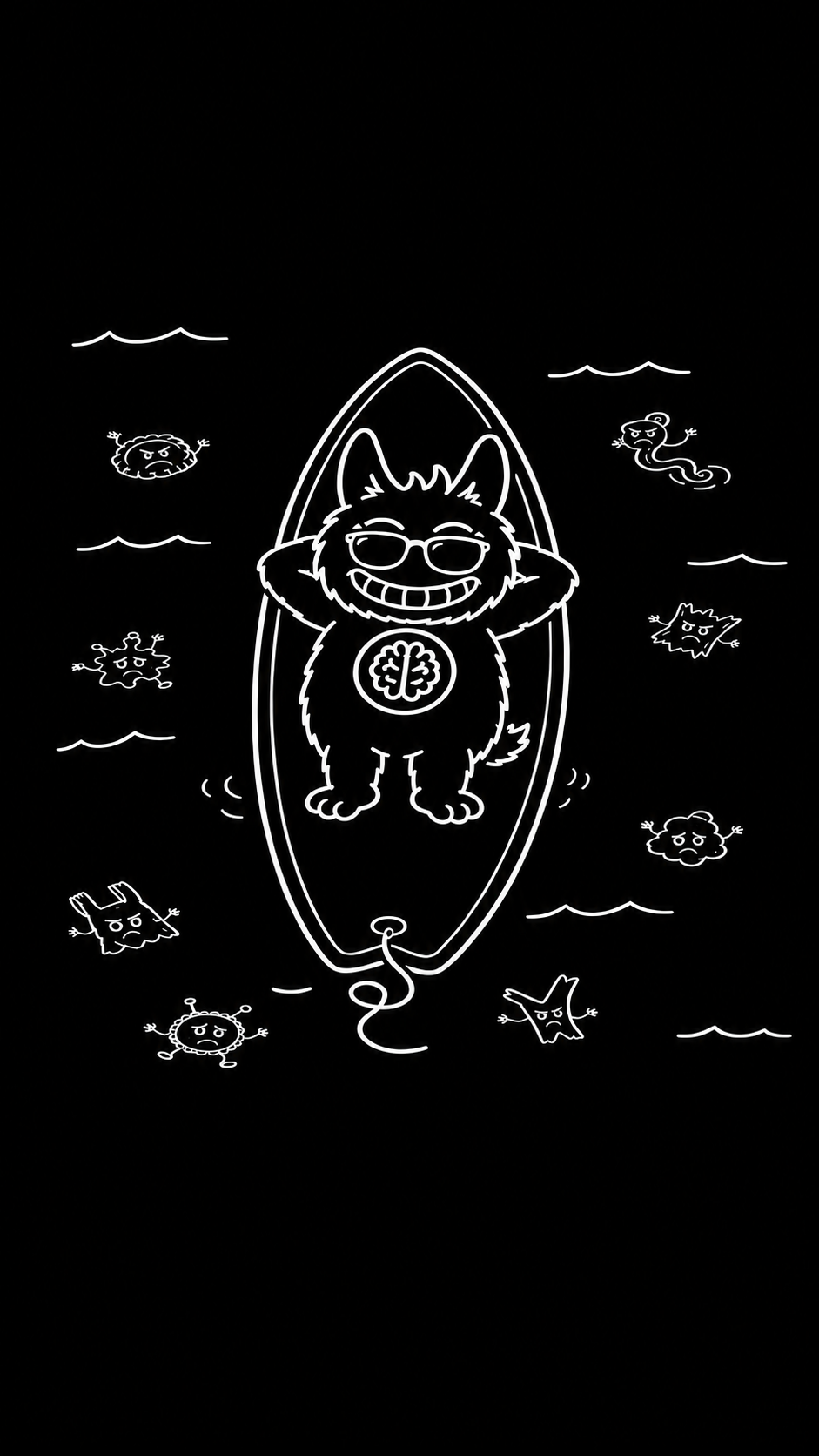
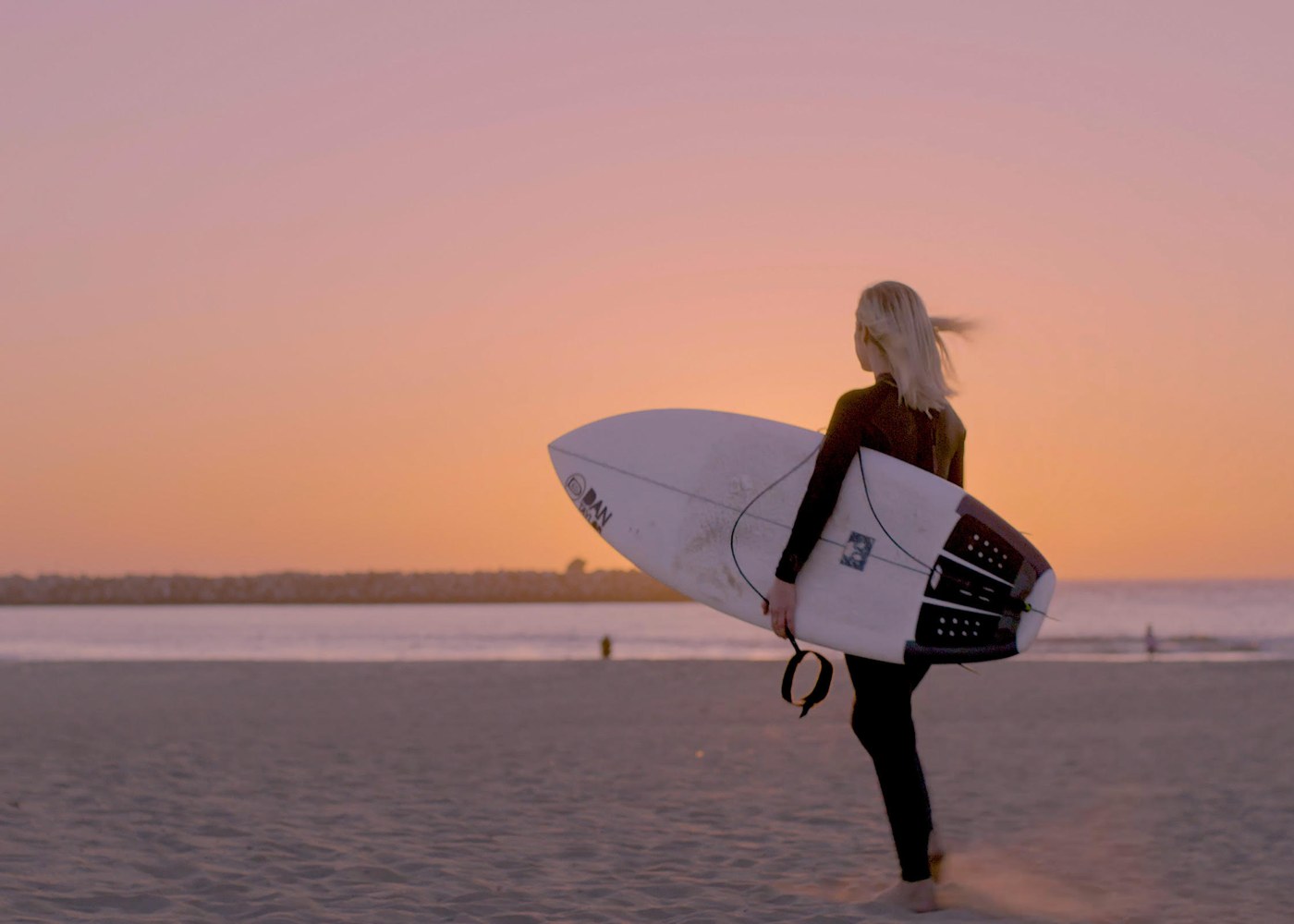
2:29 Lindsay So the first thing I want to say is that this started as an obsession with just sustainability in the planet. I was a surf instructor seeing more and more plastic washing up on my board. And so I started wanting to solve that problem. And then it kind of just spun into, well, wait, if it's happening to the ocean, it's happening to our bodies because we all live here. And we're now seeing for the first time more and more studies come out that are actually showing what the impacts are. And important thing is that I think this can get very overwhelming very fast, but it's a message of hope. And that's what I want to kind of portray on like talking to you as well. Because Like once you know better, you can do better. And these studies are just coming out and people are getting very overwhelmed. my gosh, there's plastic and everything. There's microplastics and everything. What am I supposed to do? There's actually a lot that you can do. And it's just new information. But once we kind of start seeing like why it happens, what it's doing, and then what we can do about it, it's kind of problem solution, something that we can you can totally have a substantial impact in your own life.
3:35 Pamala Yeah, absolutely. But it is in everything. And I what what was like when you're when the plastic was washing up onto your surfboard, was it like plastic bags? Was it these tiny little dots? Like what was it that caught your attention and really started to like kind of the gears were moving?
3:47 Eva Mm.
3:54 Lindsay It was, I mean, it was everything. So it was in the ocean, it was Malibu, and it's that's very clean up there. But even in the four years that I was working there, I worked there every summer, it was more and more plastic each time. And I taught the four to seven year olds, which are absolutely adorable, by the way. And we would just be out there and we'd see little bits of plastic. So we would I would teach them, I'd be like, you know, grab it, stick it in your wedding, like stick it in your wetsuit, and we'll bring it to shore and we'll throw it out. But it just started making me realize like the first summer we did that versus the fourth summer we did that, we were actually bringing home like, you know, little stuffed weddies.
4:00 Eva Yeah.
4:13 Eva Mm-hmm.
4:13 Pamala Mm-hmm.
4:24 Lindsay of of trash from the ocean. And I was like, this has gotten so much, even in just these four years, what's happening? And so that was the beginning of kind of looking into it. And and it's like everything from little bags, from bottle caps to eat like anything that we're using every day. It's it all it has to go somewhere. And it doesn't just stay in landfills.
4:25 Eva Well
4:46 Pamala Right. But it also like you're saying it sort of also breaks down. How long does it take to break down and then become these microplastics that we're hearing about?
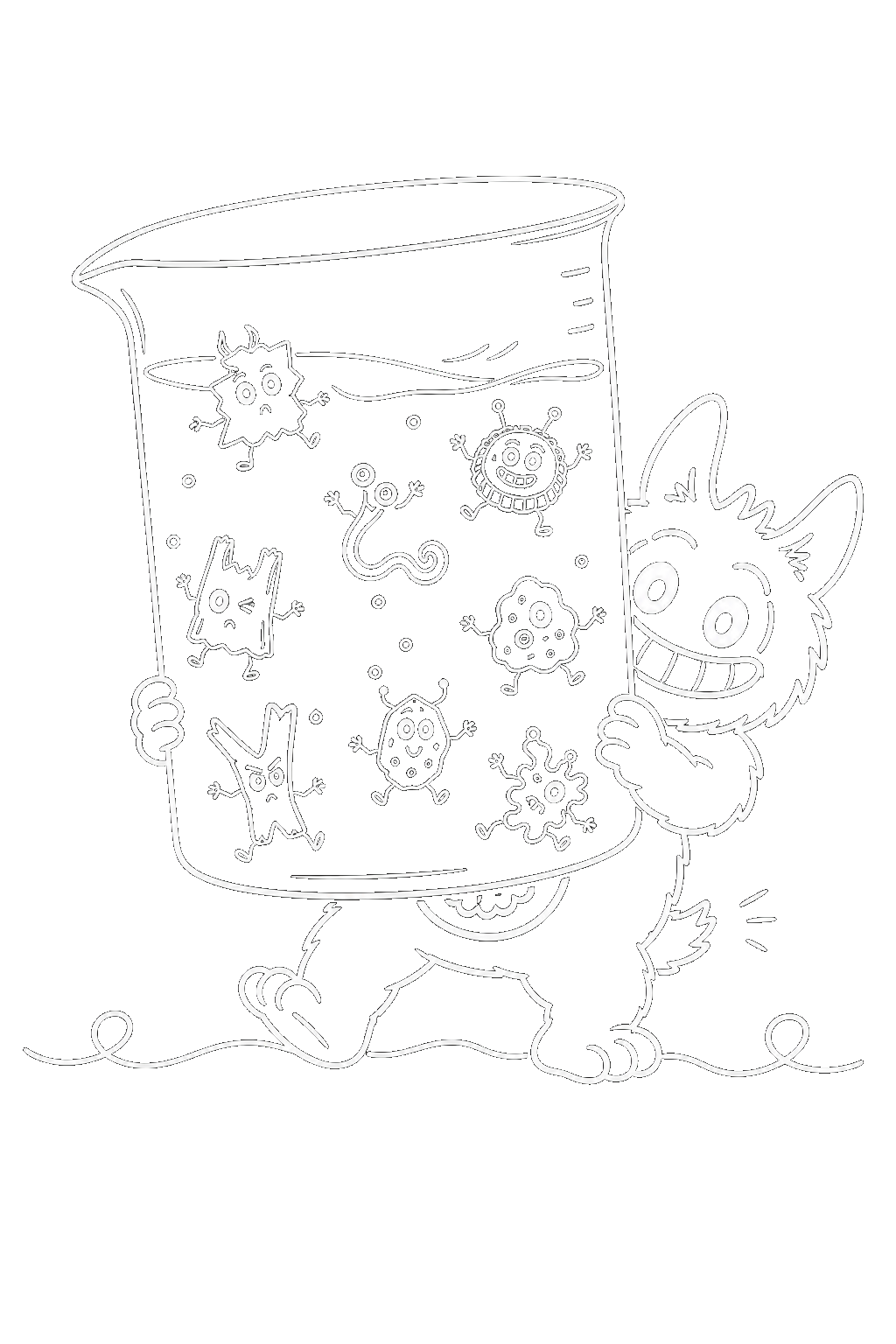
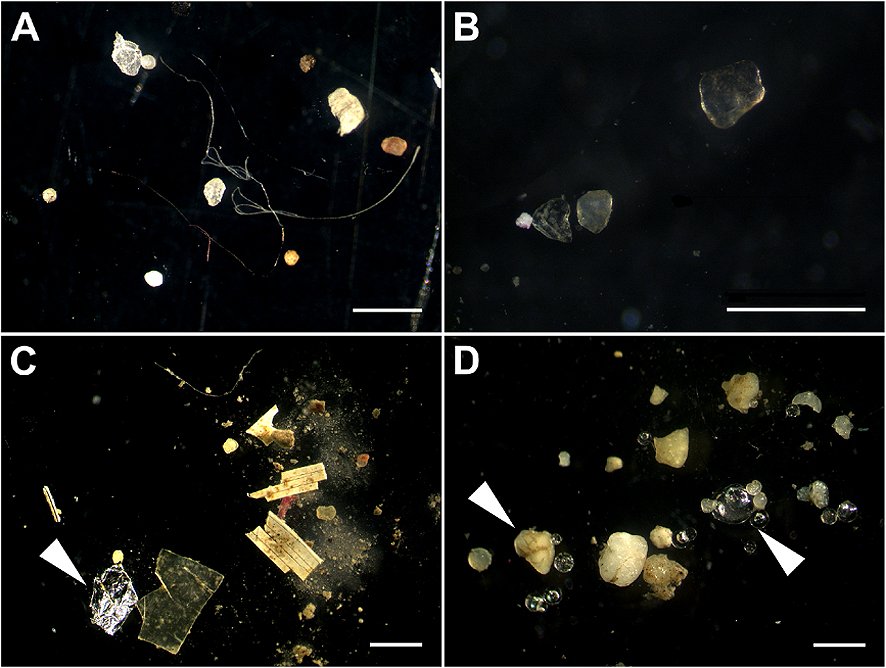
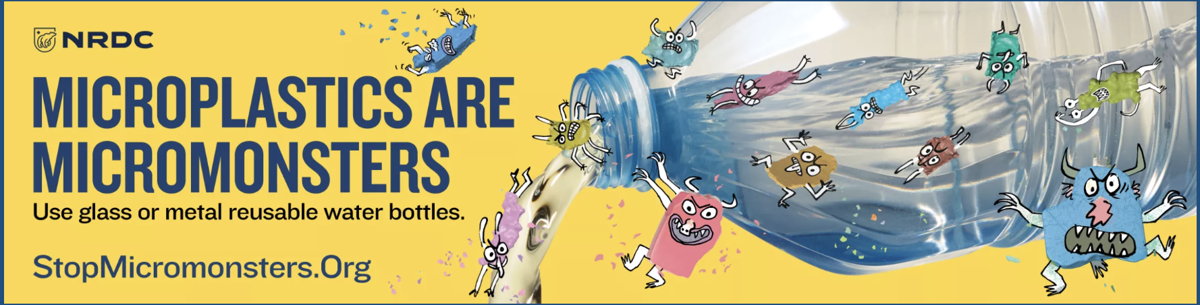
4:56 Lindsay And that's the journey from plastic to microplastic. So when you we can think of like a soda bottle, and right that's like a plastic. But what happens is when that ends up in the ocean, it's gonna get over the salt water and the hot air and the sun, it will start breaking down. And plastic doesn't go away, it just breaks down. And so it becomes these little tiny microscopic pieces of plastic, which is what a microplastic is. And so in some ways you it's it's sometimes so small you can't see it, and then sometimes you can see it.
4:59 Eva Hm.
5:20 Eva Hmm.
5:25 Lindsay Little tiny pieces that you could see on the beach, like the little red pieces. You could see that when you look at the sand. but and they they both mean microplastics, but it can either be something that's so small you can't see without a mic without a microscope, or something that is just like a little tiny piece of comp confetti in your hand. And those come from you know, bigger pieces of plastic breaking down over time.
5:48 Eva And is their size the problem?
5:52 Lindsay So the size is one of the reasons that's that's how it starts infiltrating everything. So because it's so small, and there's so many different ways that the it can get into our food systems, our water systems, our air. So when you look at the food system, when you have something that's a microplastic, it can get in by a fish eating it, and then we eat the fish, right? So you can kind of start from like that toward sort of like tiered thing. It can also actually be found in our water. So there's tiny microplastics on our water, so it's on our produce when we're
5:57 Eva Mm.
6:22 Lindsay eating it, we're drinking it. And when you have clothes that are made out of plastic, whether it's polyester or like fleece, any sort of plastic material, that can actually end up in the air. So there's like the three different types of like there's many different types of exposures, but the three main ones that I like to talk about are, you know, food, water, and air, and what we can do to kind of get rid of those, get rid of them in in our daily exposures. and so that's what when you kind of look at microplastics, it's
6:43 Eva Mm-hmm.
6:52 Lindsay starts as, you know, that soda bottle we talked about, and then over time, because of over time, its journey is then to break into tiny little microplastics that can end up in any of those places.
7:04 Pamala Yeah. I guess my question too is i I think there's almost like this the the bigness of it where you're like, Yes, it is an everything and like all the you know, water, air, food. And so then it just also becomes like, why are we not getting more sick from it right now? Or are we going or is that just it takes time for that to have happened for us to all really recognize that it's happening? 'Cause I feel like some people are like, Well, soda's bad for you too, but I just don't drink it, or soda's bad for me, or I haven't noticed that it's really bad for me yet.
7:32 Eva Yeah.
7:33 Lindsay It's a great question.
7:33 Pamala encounter that conversation.
7:35 Lindsay That's a great question. So, what we would say is that we're all kind of living in this experiment together. So, plastics didn't really start becoming used the way that they're so ubiquitous until like the 50s, which is not even a hundred years ago. And we've already, you know, we've brought so much onto the planet right now. So we're like, we're literally living in this experiment. And when we start talking about the studies that are showing the impact of microplastics on our bodies, and I'll kind of get into the sneaky ways and the the way that they're impacting us, those studies.
7:49 Eva Wow.
8:05 Lindsay They they take a long time. Like the one that I'm gonna reference, it can take anywhere from 14 to you know 20 years that these scientists have been trying to figure out, like, hey, there's micro, like you know, 15 years ago, hey, there's like this new stuff that's kind of getting in people, like let's start seeing the impact. And then it took 15 years to get the data of like, let's see the impact on on children's IQ, let's see the impact. Those studies are just now coming out because it's still such a new problem. And so I would say that we don't know.
8:20 Eva Mm-hmm.
8:35 Lindsay We we already have you know scientific studies that can be cited that that are you know well known Come out in the past few years that show the impact on health, but we actually don't even know it's still like the infancy of that. And so I think the easiest way to like when I kind of explain to my friends of the why are microplastics bad is inflammation, which everyone wants to talk about like chronic inflammation. It's kind of like the base of a lot of problems that we have as humans. It can be, it can, it's one of it's something that can speed up aging, it can, you know, take down your it can have impact on your immune system. And what microplastics have
8:48 Pamala Okay.
8:48 Eva Yes, yeah.
9:11 Lindsay have been linked to is chronic inflammation. And the way that it is is that it's so small, they get into your body and your body doesn't know what to do with it, right? Because this is not like a new this is like a new thing for us. And so it kind of just keeps sending this alarm being like, hey, there's something in here that I don't like. And so and that alarm is
9:19 Pamala Hmm.
9:27 Eva Yeah.
9:30 Lindsay It's your immune system, it's doing a really good job. But that's what that's what causes inflammation, which is chronic inflammation, which is kind of the the easiest way to understand like one solid thing where it's like, yeah, there are studies that have shown this, like this is what it's doing in in human systems, like this is like a very widely acceptable or like accepted understanding. And so like just kind of pinpointing, like, yeah, there's like this little tiny foreign body that's in my body, and my body's like, get out, get out, and it it it doesn't know what to do with it, right?
9:44 Eva Okay.
9:54 Pamala Yeah. Yeah. What are some of the stats what are some of the stats? I mean I've heard the the one crazy stat about like we basically have a credit card size amount of plastics in us. I don't that is that lore? Is that a real thing?
10:01 Eva Yeah.
10:07 Eva Plastic. Yeah.
10:08 Lindsay Yeah. Okay, so these studies, this is the thing too. Everything is so hard because everything's contaminated with plastic. So they're even finding, these plastic, like these experiments where we're trying to show how much plastics are in things, they were contaminated by the lab, you know, people with plastic because there's plastic everywhere, you know, and so they're starting to s and they're starting to be like, you know, how how do we actually get clean data when we are dealing with something that is in everything, everywhere. And so
10:17 Eva Yeah.
10:26 Eva Hey,
10:39 Lindsay Like one of the things that's that's unknown for sure is that they're having they can't find a control group. So there's no way, like something that's really important for science is you know, we have this group of people who have been exposed to microplastics, and we have this group of people who have not been exposed to microplastics, and we're gonna see the difference in you know, health thing XYZ. They don't have a control anymore. And so I think these are why this is a very like slippery, it's a slippery science. And yeah.
10:56 Eva The difference.
11:06 Pamala I never thought of that. There's no control.
11:07 Eva That's scary.
11:09 Lindsay There's no control. Yeah. And that's and so that's kind of and there's a lot of so and not to get too into the weeds, but this is I I actually Yeah, let's go into it. Actually, let's go into the weeds. okay. So there is there's something called manufactured doubt. You gu are you guys rec like do you like from the this is like from smoke like what the anti like the this was used by smoking campaigns in like the sixties of like
11:11 Eva Yeah.
11:17 Pamala Please. Yes. Get into the weeds. Come on. That's what we're here for.
11:17 Eva Let's go into the weeds. That's where we love to be. That's why we're here.
11:30 Pamala No.
11:38 Eva Okay.
11:39 Lindsay Like scientists, there were scientists basically being like smoking is bad, but then there was a marketing campaign that came out to basically to confuse people. And the whole idea is just create doubt, manufactured doubt. And so I think a lot of times with plastics, they are so ubiquitous and there is so much money behind making sure plastic continually just flows into our
11:51 Pamala Mm.
12:03 Lindsay our supply chains, that there's a lot of there's a lot of reasons for companies to be very incentivized to not like have these the t to create manufactured doubt. And so I think that's something that I'm always looking at when I see a study on on microplastics or who sponsored it, why, you know, and like and so and like what you know what is it what is it saying and what is it actually saying? Like reading between the line like reading every line as opposed to like the log line, which I feel like a lot of times people will just find like
12:13 Eva Mm-hmm.
12:14 Pamala Okay.
12:23 Pamala Yeah.
12:33 Lindsay one part of the study and then just keep saying that and you're like, well actually it like contradicted itself three times in that study. So like you know I think it's there's a lot that you can like really have you have to really dig into. but the the TLDR is that they are everywhere. We can't avoid them 100%, but there are things you can do to avoid the big ones. And that's what we talk about.
12:37 Eva Yeah.
12:52 Eva Like what what what can we do?
12:54 Lindsay So my my first thing I tell every single person, just get a water filtration system, no matter where you live, no matter how great your water is, just getting a reverse osmosis system. And like I bought we got one for a place that we rent and it was like I got it on sale, like a hundred fifty dollars. It sits on top of your countertop. You just refill the basin each time. It removes microplastics, it removes PIFAs. It your drinking water is your number is most likely in your life, your number one exposure to microplastics. It's such an easy I I'm less familiar with Berkeys. I should know more about it. I use like the I I think Berkeys work, but I don't they do PIFAS. That's the tricky thing. You need to make sure that it's PIFAs too. That would be the tricky
13:22 Pamala Okay, I have a Berkey. I have a Berkey. Is that a reverse osmosis?
13:24 Eva wow.
13:30 Eva What is a Berkey?
13:34 Pamala Okay, alright, I'll have to double check. Okay. Yeah, because I have two sets of filters in it, but I was like, I've never thought that I was filtering out for plastics. That's so interesting. I didn't even connect it.
13:39 Eva Okay.
13:45 Lindsay Yes. Yeah.
13:45 Eva Yeah. And do they have a is there like a New York City sized apartment version of this that I can get? Okay. All right. All right. Okay.
13:53 Lindsay Yes. Yes. It's it's small. Like there's like small ones and I can I I'm not sponsored by the like I'll send you the one that we use. Like I I just I bought them. I literally I'm so passionate about it. I bought it for my parents because I was like, You guys knew one You know I use it. But my gosh, I need to like look what it is. I should know what's I'm sorry.
14:06 Eva Amazing.
14:07 Pamala What's the one that you have?
14:11 Pamala Send it after send it afterwards. We'll put it on the extras page. Don't worry.
14:12 Eva We'll find it. Yeah.
14:14 Lindsay I didn't want to say the wrong one 'cause I did a ton of research on it and I didn't want to say like one of the other things, but I can send it to and like, yeah, I waited 'til it's on sale. If they have small ones, it's good yeah. So
14:17 Eva Amazing.
14:23 Pamala Okay. All right. So that's one thing.
14:23 Eva All right. So reverse osmosis is a big easy step to fight back against this overwhelm. What are some other easy ish lightlift things that that folks can do to kind of fight back? It feels it feels overwhelming, but there's there's gotta be a path.
14:42 Lindsay For. And you know what I'll say too is that it it is overwhelming and I think it's it's it can feel very overwhelming. I actually just did like those microplastic blood tests. Whether or not these things are incredibly accurate, I have no idea. But what I decided to do is I bought three different companies and I sent them all. it turns out they're all the same tests, which I didn't know. They're like white labeling the test. Yeah, I know. It's it's crazy. all the same test. But I and they all said slightly different things for me, but I all came back with exceptionally low, like it was.
14:57 Pamala Right.
14:58 Eva Mm-hmm.
15:04 Pamala Wow. Sneaky.
15:05 Eva of course. Okay.
15:14 Lindsay It was within the range of exceptionally low, but all of them said different things. So I was Yeah, and I took them all at the exact same time. So I was like, okay, there's some variants in this test for sure. but I'm not perfect. Like, obviously, I'm pretty plastic aware, but there are there are many things in my life that I have not traded out. Like this right here is like probably plastic. I don't know what this is, but it's like a velore, like curtain that I'm next to, and like you know, so it's there's it you don't have to be perfect, it's more just kind of what we were talking about.
15:18 Pamala Okay.
15:22 Eva Questionable. Mm-hmm.
15:35 Eva Sure. Beautiful.
15:43 Lindsay Talking the everyday thing, look at the things that you're using every day and the e and choot change out the thing that is easiest for you. So some people it would be like if your if you you know if your pots and pans are getting kind of old, now would be a great time to replace them with stainless steel, you know, and not having the
15:52 Eva Mm.
16:02 Eva Right. Don't do nonstick. Yeah.
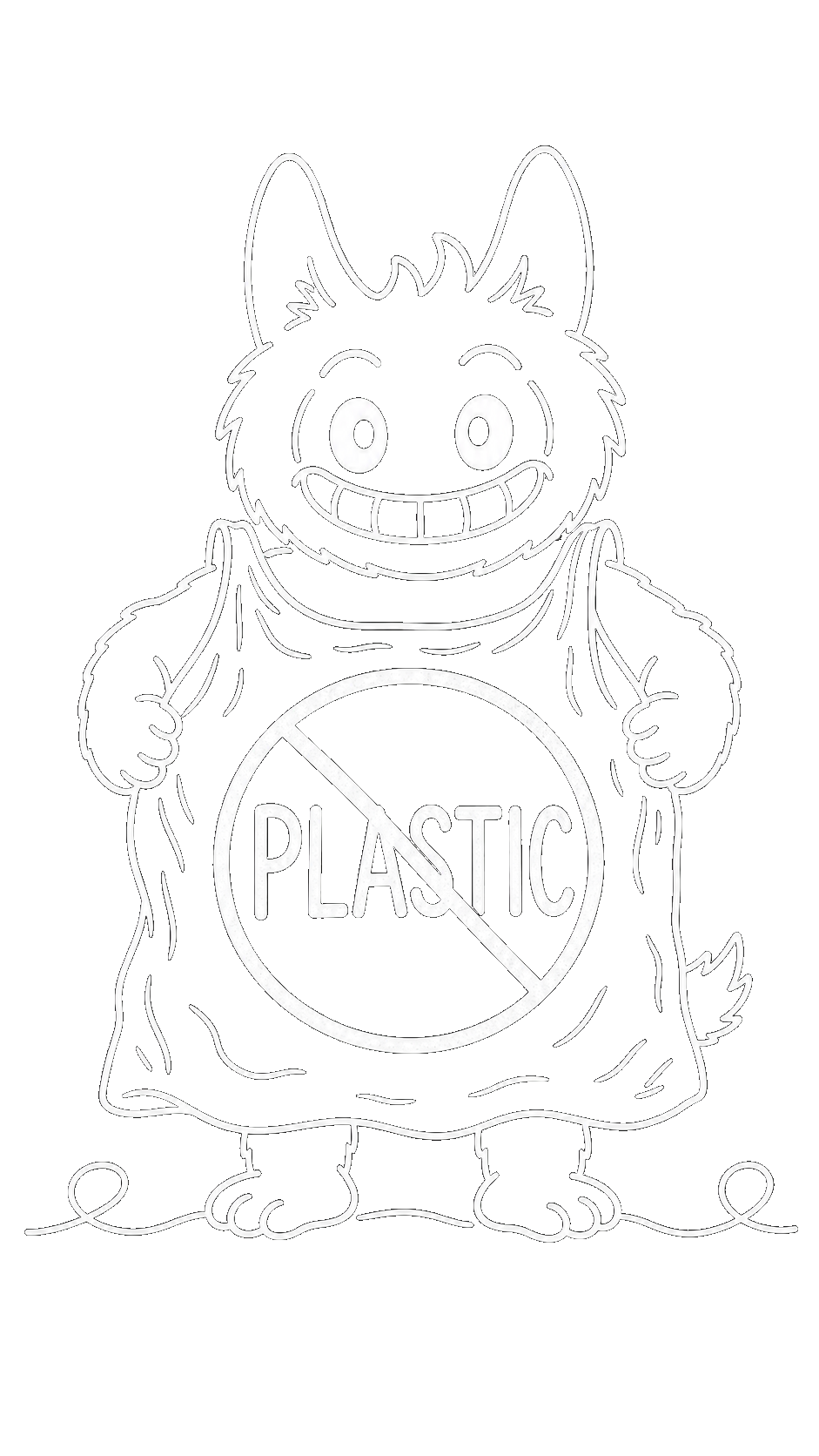
16:04 Lindsay Right. And so I would say to like you know, think of the things that you're using every single day. The bedding is a big one. Like next time you buy sheets or or pillows, change them for something that's natural and not like the polyfill that most of the stuff is, which is literally just if you see there's videos online where people will put their hand into a pillow like that and they just you see a puff of microplastics come out and you're like this is you're sleeping on it every night, kids are sleeping on it every night, you know, and this is the kind of
16:19 Eva Mm.
16:34 Lindsay thing that that's an easy change, you know, and don't change it if it's if it's n you know, if you don't need a new one, I don't recommend buying things, you know, that you don't need, but as you switch out, those would be the the
16:45 Eva When the time comes.
16:46 Pamala How many how many kinds of plastic are there? Like those
16:48 Lindsay I know. Way too many. So the thing, the problem is is that it's a bypro it's a byproduct from the petroleum industry and it it is so cheap to make. They could literally make plastic free because it is like it's a byproduct of of fossil fuels. And so being able to like take that and put it into something and sell it, it can go they can bring the cost to go as l as like as low as possible because it's literally a byproduct. And so every single thing. Yeah, like whatever they want. They're like, Okay, we gotta buy
16:49 Eva Oof.
16:59 Eva Yeah, no.
17:12 Pamala Are we talking about like are there over are there over like 50, are there over like 50 kinds of plastic? So there's like hundreds?
17:19 Lindsay No no, I don't I don't even know. Like there's gotta be hundreds like hundreds, hundreds like there's plastic. I mean not to be like I don't wanna get too I don't wanna overwhelm people, but we're getting into the nitty gritty. There's plastic in like everything. So I would say there like your makeup, if it's silicone makeup, silicone's a plastic. Like there there is like there's plastic in so well some s sorry, some silicone bases have a plastic in there. But like so w many, many, many makeups are made with my god, I'm totally blanking on the name right now.
17:23 Eva Yikes.
17:28 Pamala No, we're getting into it.
17:37 Eva Wait what?
17:42 Eva Okay, yeah.
17:48 Lindsay But they're made with a plastic base.
17:48 Pamala Is there like a is there like a plastics keyword that like list that we could essentially yeah, like how like 'cause you know, like I go and be like, okay, turn over the label, that's too much sugar. Like, is there a way is there a list? Yeah, okay.
17:53 Eva Yeah, how do we
18:01 Eva Mm.
18:02 Lindsay I would love for you to do that. No. And not only that, but it's not it is it's it's not listed on the packaging either. So like an example would be kind of when you buy a
18:14 Eva Sure.
18:18 Lindsay food, like a a can of of beans inside of that is a la is an epoxy layer of plastic. Right. And so an epoxy because it doesn't want to and so there's like it's also in like in different food things. It's just that's kind of like the we've you we've put and I think actually now I'm like going back to this is why it's a problem.
18:21 Pamala Right. Yeah.
18:23 Eva Mm-hmm.
18:40 Lindsay Right. Cause when you're when you've literally made every single thing out of plastic, we're now exposing ourselves to it all the time. So that's kind of why I think this is like a a an overwhelming but very important thing to start trying to look into. example, dental floss. So that's plastic. So most of it, most of it's plastic. And some of it even has like PIFA's Teflon on the on the glide strip. And so, but there's
18:48 Eva Yeah.
18:56 Pamala Yeah.
19:01 Eva Mm-hmm.
19:08 Lindsay It doesn't have to feel overwhelming. It sounds really valuable, but it doesn't have to.
19:10 Pamala Well, well here's my Well, and I know we're necessarily gonna get into this, but I know you have a company called Byte, and so that's a lot of packaging. Like as a as an owner of a company, how do you I mean it feels like plastic is what they just sell you to sell your products, like everything from inside of it, the packaging, the wrapping, the the the you know, shipping. How do you as a business owner like navigate that?
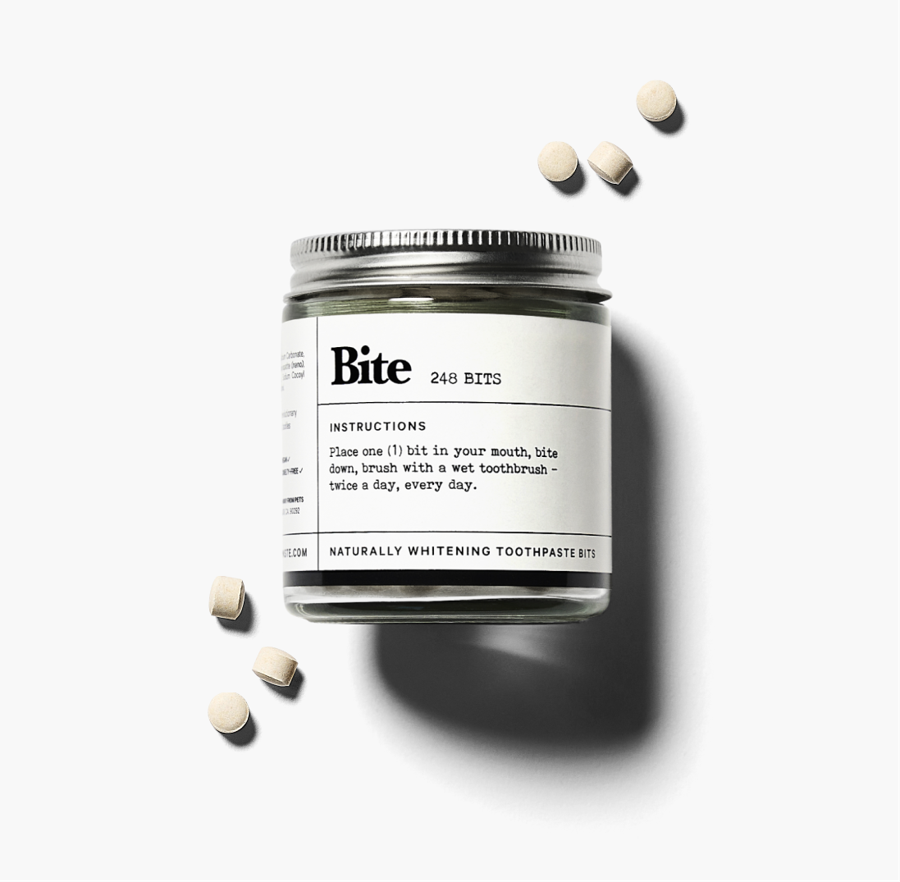
19:37 Lindsay So it's hard and expensive because plastic is so cheap. But what I will say is that it's so for us, we use a glass jar and we use an aluminum lid, and then there's a bioplastic, which I love bioplastics. I think they're amazing, and I can get into that in a minute.
19:42 Pamala Yeah.
19:43 Eva Yeah. Right.
19:52 Eva Mm.
19:56 Pamala What are bioplastics? Wait, that's not a plastic?
19:57 Eva What's a bioplastic?
19:57 Lindsay I know, I know. Okay, that's I thought we disappoint. I love bioplastics, but we'll get to that in one second. But like we specifically use you know
20:04 Pamala Okay.
20:08 Lindsay items that don't contain plastic. Even our label is a paper label, which is like you would think like, my God, that's so easy, but it's actually not, because all the labels in the industry, they just have like this poly, poly layer over it to protect it. So it's like every single step you have to do something different. And that is like a very challenging thing. But one of the things and like now we're gonna get into actually is bioplastics. I love bioplastics. Some people will hate on them and I'll explain to you kind of why
20:32 Eva What is a bioplastic?
20:33 Pamala Yeah. Is this also a bad naming convention? Also, is this a bad naming convention? Having the word plastic in it at it all
20:38 Lindsay Hmm. I know. Why are they so well here's the thing, so plastic
20:41 Eva Yeah.
20:45 Lindsay Petroleum-based plastics hijacked the word plastic, which I think is very unfair. Because if you think like plastic surgery, that isn't plastic. Like, come on, plasticity is just is is like a it's like the nature of something. It doesn't mean that it has to be a petroleum-based plastic. But when we're talking about plastic, and actually this entire, and I have to like, this is a I'm constantly backing up and explaining this to people. So when we talk about plastic, we're talking colloquially about petroleum-based plastic. So it is made from cu crude oil into plastic.
20:48 Eva Yeah.
20:53 Eva Right, right.
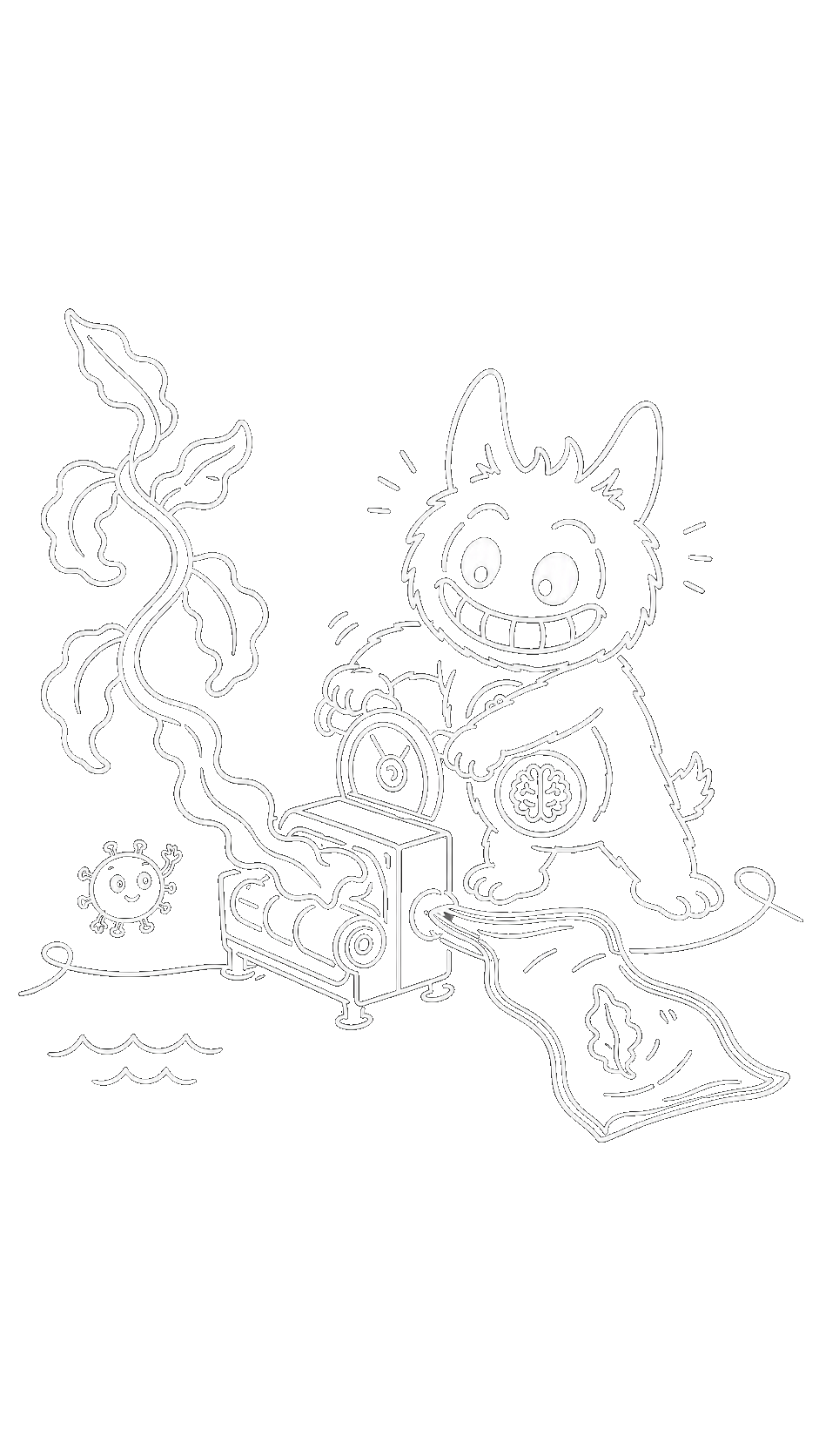
21:15 Lindsay Reason that it's a problem is because it breaks down, and now you have little tiny pieces of petroleum all in our bodies. That's a problem, right? When it's a bioplastic and it's a true bioplastic, not mixed with petroleum-based plastic, which is why bioplastics get a bad name. A lot of them are mixed with the petroleum-based plastic, but there are true bioplastics. They are made from like a corn or a, I mean, actually, most of them are made from corn, like a sugar cane. And the reason that they're really great is when they're also going to break down into microplastics, but those are not petroleum.
21:21 Eva Rose.
21:45 Lindsay They're not gonna cause the exact they're not gonna cause the same issues as petroleum does. And so if because like this is something that there's also seaweed plastics, those are still pretty expensive, so pe people aren't really bringing them they're not really
21:56 Eva No.
22:00 Eva Hard to scale that. Mm-hmm.
22:02 Lindsay Yet yet, but there's a lot of really exciting things when it comes to the new technology. And I've even seen so I started my company in 2018, and it was impossible to find anything plastic-free. Absolutely impossible. And it's getting easier and easier now because more people are asking for it, which means that like the marketing, the market demands it, and so people will start making it. And when things start hitting scale, they can bring the price down. Like an example is polylactic acid, PLA, which is a bioplastic that's made from corn that That used to be insanely expensive. It was totally expensive. It was so annoying. Now that has gone down a lot in price. Like it's still not as cheap as plastic, but it's like pretty good. And now the expensive one, because it's still more rare, is the seaweed, right? And so we're kind of like upping in the innovation.
22:32 Eva Hmm.
22:46 Eva Mm-hmm. Baby steps.
22:46 Pamala Okay.
22:49 Lindsay Yeah, and it's it's it's pretty exciting to see 'cause you're like, there's there's a there's people who care and they're putting their time and money and effort into developing these things and it's it's it's very cool.
23:02 Eva That's good.
23:02 Pamala What what community do you think cares the most about this? Like what group of people? I mean I'm gonna I would say moms, but like what like just because you're in this space and you you've been focused and you pay attention to it, like what community of people do you think are kind of hyper-sensitive or hyper-aware of this as well?
23:21 Lindsay Say it it used to be parents, and still is, but we're actually seeing a ton of people who are in their 20s and 30s because we're starting to see the link for plastics and infertility. And there was a whole Netflix documentary on this actually, and it's something that it's been we lost Eva. it's okay. Yeah, she hopefully she comes back. she's like, I'm not into this Netflix documentary thing. Yeah.
23:40 Pamala I know we lost Eva. Keep going, we'll bring her back. Yeah, she's like, fuck it.
23:50 Lindsay There's a Netflix documentary and it's all about plastic and its tie to infertility and kind of how that it's they're finding this is I mean it's the whole documentary on it so you can watch it, but it's it's it's it's linking this. And so because of that,
24:05 Lindsay a lot of people in their twenties and thirties are starting to be like, wait a minute, you know, what can we do on a daily basis to make sure that we're in a spot, you know, in a better spot. And even if you're not someone who does want to have kids or still understanding like, wait, if it's causing if it's causing some infility, it's probably doing some other s bad stuff too. You know what I'm saying? So I think it's a big thing.
24:20 Pamala Yeah.
24:23 Pamala Yeah, that's not good. And I think the reason why I bring this up is because, you know, we work with communities all over the country, so like book clubs, run clubs, parent collectives. And what we've noticed is that over 60% of our community organizers are not interested in working with single-use plastics.
24:42 Lindsay Love that. That's amazing. Yeah. Yeah.
24:43 Pamala Yeah, and so I yeah, right? Isn't that so exciting? but I think that that's really, really good news. my question to you is what's the wildest thing you do now or have done because of this?
25:04 Lindsay Hmm, the wildest thing.
25:05 Pamala Like maybe it's not what the it's not what the everyday people who are aware of this, like, what's one thing that you're like, No man, I just don't do that? Like I don't have I don't have a wood cutting board. Like I don't have a plastic cutting board. I don't know. What is
25:14 Lindsay my god. I mean so many of those things. Also by the way I didn't get into like the easy swaps you can make at home, but there are so many little easy ones, but these are all kind of Google things. I the biggest thing and this is absurd and I finally did this kind of recently. I don't order to go food anymore in the plastic containers, which I was a postmate's girl. Like that's like not like that like is like when I was like working all the time I had no time to make food. But the plastic plus heat in those containers, when they're sitting in the car being driven to your house, like not only, you know, it's just like it's the it's it's a very bad situation. It's how it's one of the bigger exposures of plastics in food. So I was
25:36 Pamala Yeah.
25:53 Pamala Okay. So you'll take it to go, but you're not gonna take it delivered.
26:00 Lindsay Right. Well no, I wouldn't even put it in like, you know, those black containers. I will not put like and if I'm gonna like and I I used to be someone who like brings my own to go thing to a restaurant. I don't really do that anymore. but I just I'm not gonna I'm not gonna take my food to go. I'm gonna I'm gonna eat it there. Huh?
26:04 Pamala Yeah.
26:12 Pamala Okay. Which but you have done it. You have brought containers. Yeah.
26:18 Lindsay I used to all the time. Yes. I used to all the time. I would bring this lease little thing and I like, No, I can't. I gotta stop being that girl. but I did. Yes, like I support you doing that. no, for me I was like, I'm just gonna I'm gonna wanna order an appropriate amount and I'm gonna eat it at the restaurant and that's gonna be done. but that was like yeah, it was getting plastic kind of out of the out of I had already kind of gotten a lot I've already gotten you know what another thing is? We don't know use normal toilet paper in our house and that doesn't but yes, we order toilet paper that we can get from
26:25 Pamala I love that though. Please be that girl.
26:34 Pamala Okay. Okay. All right. Okay.
26:47 Pamala Same here.
26:48 Lindsay we get it on Amazon, but it does not typical toilet paper has plasticizers in it. So we always get the unbleached bamboo one that does not have plasticizers. So there's no normal normal toilet.
26:59 Pamala Yeah, we we do too. We use plant paper. Yeah. so direct to the to the brand. yeah.
27:04 Lindsay Love that. Love it. even better. That's like so so I try to do that whenever it's maybe I'll switch to them. Maybe I'll switch to them because yeah.
27:14 Pamala Yeah, try it. but yeah, it's really good. I think so what I mean I feel like I'm already converted, but for those who've been listening, what is like one of like give us give us the give us the end speech. Convert us, Lindsay, convert us.
27:32 Lindsay Okay. So I just want to walk through like your morning routine very quickly and then we're gonna talk about what you can do to change it out that makes it super easy. So you wake up and most likely the mattress you're sleeping on is made of plastic. You're Sheets are probably made of some sort of plastic blend. Your pillow is probably some sort of plastic blend. And you're gonna get up and you're gonna put your feet on your rug, which is if it's synthetic, also is made of some sort of plastic. Then you're gonna walk into your bathroom and you're gonna squeeze toothpaste from a plastic toothpaste tube on your plastic toothbrush, and you're gonna brush your teeth, and then you're gonna, you know, with water that's probably contaminated with plastic, and then you're gonna go downstairs and you're gonna make coffee out of a coffee maker that's made with plastic tubing, and it's a
28:17 Pamala Right.
28:19 Lindsay plastic what is it called coffee filter so right there you've now been like boom boom boom exposure exposure but over I would say the bedding, that's gonna be something that you will you cannot this is not something to, you know, do that on a different day. But it's so easy to switch out your coffee mach, like use a French press instead of a coffee machine. Use and then you've eliminated that entire plastic exposure. use something like ours, obviously a toothpaste tablet, bamboo toothbrush, use get a water filter for your house and so it's one of these things where if you can just picture your day and then look at a few different things that you can make over time. It's not about doing it right now. It's about doing the small changes over time. And so I would say as you know, someone who's been really passionate about this for years, if you try to go all in, it will not get done. It will be overwhelming and exhausting and you'll feel terrible. But if you just look for the one thing you can swap out a week and you can get like your cutting board, just throw out your plastic cutting board and get a bamboo one. And it's like just look for these little things and it can it is so empowering.
29:26 Eva Mm-hmm. Mm-hmm.
29:32 Pamala Yeah.
29:35 Lindsay And I think what's also very cool is a lot of the brands who are providing the alternatives are small brands like mine, right? Who are who are made by people who care and that they want to like make a better world. So you're like not only doing better for your body, but you're also doing better for the planet, but you're supporting a brand that's trying to do the right thing. And so I would say kind of like you know, going through your day and just trying to decide the the The plastic exposures you want to get out for your life and your kids' life and your partner's life, that's like the easiest kind of starting point. So.
30:11 Eva Mm.
30:11 Pamala Yeah. Preach. All right. I love it. I mean that leads us directly into how do we yeah. That leads us directly into how Yeah, exactly. Which leads us into how do we find you? I will say
30:14 Eva We love Any reason to support a small business.
30:21 Lindsay Yes.
30:27 Pamala I use tablet toothpaste. I love it. I'm excited for you to tell folks about it. I'm also constantly looking for shit that's in glass. I'm so tired of every product being in plastic or some tube of plastic or even wrapped in plastic. I'm so done with it. And it is so hard to find companies that are not doing that. So with that, Lindsay, please, please tell us where we can find you.
30:30 Lindsay Nice. Yeah.
30:53 Lindsay Yeah, so we're at we're online trybite dot com. It's T R Y B I T E dot com. And I love that you use toothpaste tablets because when you first use toothpaste tablets, if you have never used one before, it is a very I mean you can probably attest. It's a strange experiment. Like people are like, I ate it. Like you know, like I I thought it was a mint, you know, and you're like, Wait, no, I know. And so it takes it takes a few times to get used to it. But what did you think after you were using them for a little while?
31:20 Pamala I'm used to them. I particularly started when I was traveling because I just hate using the tiny little tubes and then I'm always constantly running out. And so having the tablet toothpaste I think is just really essential. And then your bag's sort of getting lighter as you're doing it and having it. So I really appreciate that. I always cheat and use two tablets because a lot of people miss that like foam or that like liquidness that tablets don't always have. So I always just cheat and use two of the tablets. Yeah.
31:23 Eva Mm-hmm.
31:46 Lindsay Yeah, I used to as well. So I get it. you too. Yeah. And it takes I would say one of the things that we hear all the time from people, it's like they're like, It's weird at first, but now I'll never go back. But and I think especially now too, as people are kind of, you know, just waking up a little bit more about the impact of plastics on the planet, which has always been pretty obvious, but now our bodies too. I think more people are look looking for solutions like that. So
31:47 Eva Baby step.
32:11 Pamala Absolutely gorgeous, beautiful. Lindsay, thank you so much for coming on board here. Appreciate you. so I did come in vaguely anxious about this episode and now I know too much about microplastics, but I'm feeling much calmer about it. I'm feeling like I'm on a good path. so thank you for this Lindsay. Eva, over to you.
32:12 Eva Love it.
32:17 Lindsay Mm.
32:33 Eva Thank you, thank you, Lindsay. And friends out there listening, please subscribe, leave us a glowing five star review, share this episode with someone who'd love it, and check out more at you know too much dot media.
32:50 Pamala Follow us wherever you get your podcast and keep the obsession going. Thanks, Lindsay. Bye, y'all.
32:54 Lindsay Thanks so much. Thank you.
32:54 Eva Thank you, Lindsay.