
Section 01
Extras
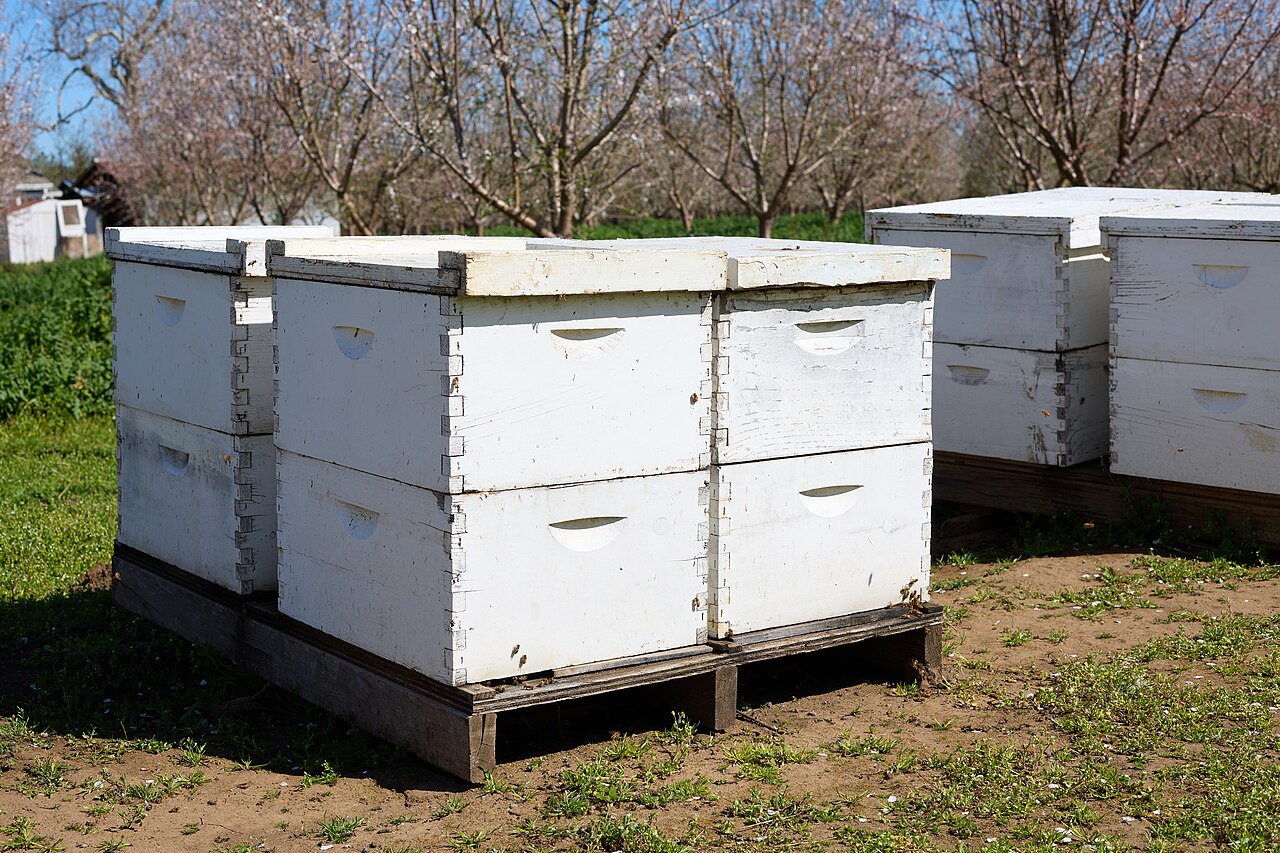
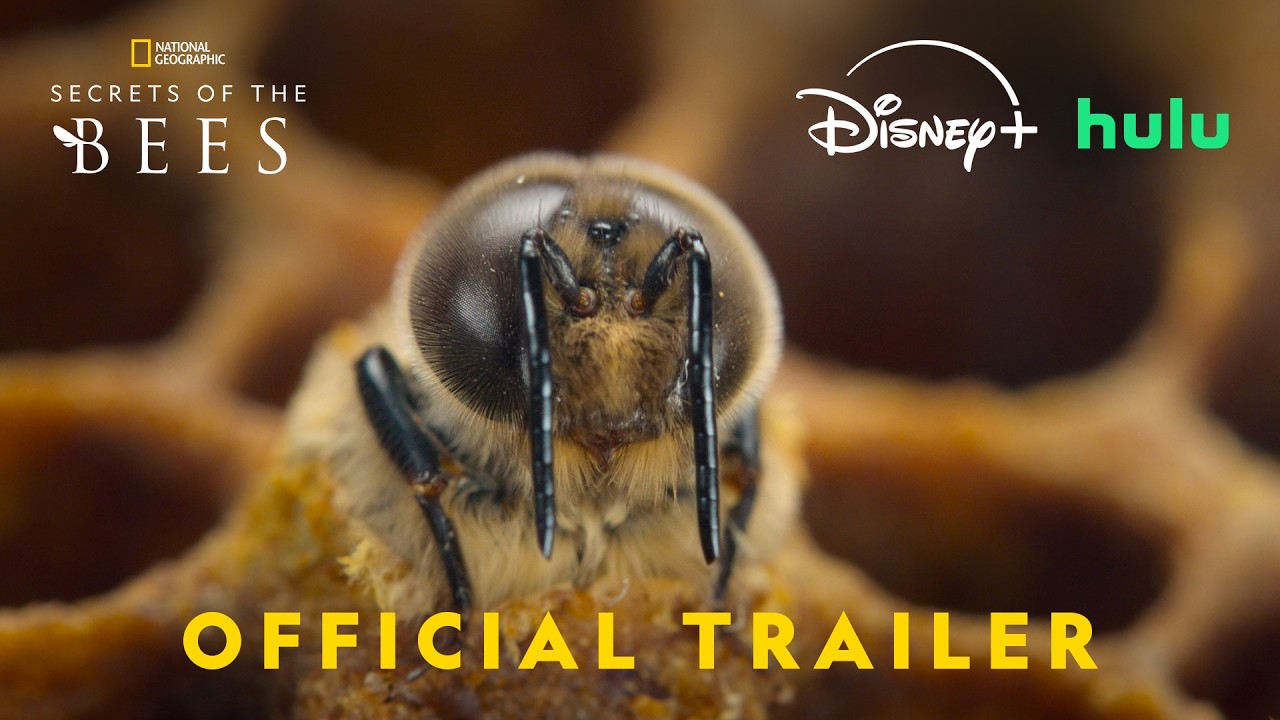
The Wikipedia page that started Dina’s 5 a.m. rabbit hole, an essay on why nature already answered the patriarchy question, and the real footage of bees doing the things she described.
Section 02
Credits
- Guest
- Dina Graham
- Co-host
+ Creative Director - Pamala Buzick Kim
- Co-host
+ Executive Producer - Eva McCloskey
- Producer / Social
+ Post-production - Ky Meyer · Kollective Media
- Post-production Producer
+ Editor - Narciso Palma · Kollective Media
- Creative Partner
- Jessie Nagel · Hype World
- Music Composer
- Elijah B. Torn
- Production
- A mavenverse production
Section 03
Transcript
Final transcript, auto-transcribed and lightly cleaned. Names and terms may be misspelled.
Read full transcript (~19 min)
0:00 Dina When Beas lay and egg. They can choose what sex they want the larva to be.
0:05 Eva Oh oh my god the bee eugenics I never knew. Welcome to you know too much a bite sized trip down the rabbit hole with people who know way too much about one very specific thing. I'm Eva McCloskey.
0:18 Pamala And I'm Pamala Buzick Kim. Let's get to know too much.
0:22 Eva Dina. Welcom. Hi. Dina.
0:25 Dina Hi. Thanks for having me. It's very rare that someone gives me the unfiltered ability to just, like me, yap about something that I somehow find interesting. Just a little piece of information that I tucked into the back of my brain. So thank you so much. This is so fun.
0:40 Pamala Yeah, that's exact reason why we're here and why we wanted to do it. And people want it and need it.
0:46 Dina Yeah, yeah. The Tetris. The Tetris episode with D'Lourdes was is so incredible. It was a cracking up.
0:52 Eva Yes. Well, Dina is my connection point to D'Lourdes originally.
0:57 Pamala Oh, nice.
0:58 Eva Dina introduced us. Yes. Yeah. Yeah.
1:01 Pamala Congratulations to support us on her new single today.
1:04 Eva Right? Yes. I was just so good.
1:06 Dina It's very good. Yeah. I'm super proud of them. They're going, above and beyond.
1:12 Eva Yeah.
1:12 Dina Everything independently.
1:13 Eva So. Yeah. So crazy. We're so happy to have you here today. Tell us what you know too much about, please.
1:21 Dina So I think I know an unhealthy amount about bees, particularly about bee colony is and how they structure their entire civilization and their life, really. But, a lot of a lot of.
1:35 Dina Similarities to how I structure my life, honestly.
1:38 Eva Amazing.
1:39 Pamala Yeah. I don't necessarily see your background, as a farmhouse. So can you tell me how you got into into bee world?
1:47 Eva Yeah.
1:48 Dina So I, it's a funny story. So me, as a person, I tend to really fixate on the topic, as I find it really interesting and I find it about me that I'm not ashamed to admit is that I have really poor sleep hygiene. I get to really late at night and I can't sleep in the way that I try to soothe myself opposed to, like scrolling on TikTok or scrolling on Instagram or any social media as I try to read about something.
2:16 Dina And if it's, you know, boring enough, it'll put me to sleep. So the downside is if I get really interested in it, I end up not sleeping and just read through the night about it. And that's exactly what happened to me with bees.
2:28 Eva Amazing.
2:29 Dina I tried to read about bees, to put myself to sleep. And I ended up. Next thing I know, it was 5 a.m. and I'm down a rabbit hole that I am still going down to this day.
2:39 Pamala Yeah, I was going to say so. It has. So it stayed with you? What is it that. What is it about bees and bee colonies that stayed with you?
2:47 Dina Well, I think the, the, the first interesting fact about bees are it started off with just like really cool superpowers, right. Like bees see in ultraviolet light. Like they have two stomachs. One that is, for, like, digesting food. And then one is that entirely for nectar. And, like, their anatomy is entirely, they've evolved to have a certain anatomy to essentially live their life for one specific purpose, and things like that are interesting.
3:15 Dina And then you learn about the society of bees, and not just like the science behind them.
3:21 Eva Yeah.
3:21 Dina And it's an entirely female civilization. It is, it's saying it's a matriarchy would be like an oversimplification of it, but it really is, a society that is entirely run managed and, you know, powered by women.
3:38 Eva And so that's the dream.
3:40 Dina Right? Exactly. And so if you when you start learning about that, it, it, you know, learning about like a quote unquote matriarchy, matriarchal society about bees leads you down to, rabbit hole of, like, other animal civilizations that are about, like and run by matriarchy, like major societies. And then you realize that, wow, humans are actually the only species in the entire animal kingdom that are operated by patriarchy.
4:07 Pamala So yeah. Yeah, yeah. And then.
4:10 Eva We see how well that's working out.
4:12 Dina Right? Yeah.
4:14 Pamala Then going great. So on the beat, like is there any certain like habits that what would you say is sort of like a phenomenon in how they co kind of co-exist and co work together or, or what's something that's also sort of like unhinged. So like what's the what's the extreme side of the bee colony structure or what they're doing.
4:36 Dina Where can I start with this. Because it is it is like I said, everything is run by women, right? And women are the providers. Women are the the security. They're the guards. They're the ones that the protectors. Right.
4:51 Eva Are there any male bees? What do they do with their days if.
4:55 Dina They're there day, there's.
4:56 Eva No real jobs for them.
4:58 Dina The the male, the jobs of the male bees is entirely just to mate with the queen. And after they meet with the queen, they die. That is literally their only job. There's also haploid, diploid. It is essentially when Beasley and egg the unfertilized, they can choose what sex they want. The, the larva to be always an unfertilized egg becomes a male bee and a fertilized egg becomes a female bee.
5:28 Eva Oh my gosh, the bee. Eugenics. I never knew.
5:32 Dina Oh, and so all bees come from a female bee. Basically, all these have a mother but no father, right? So that is the the very interesting part about like bees.
5:43 Eva Oh so cool.
5:45 Dina Right. And the, the, the just the choice of it all. I don't know, something about it is so, so enlightening to just know that, you know, these, these women somewhere just making all their own choices and living by their own rules. It's it's really.
5:59 Eva Queens. They're so and they're so efficient and honey and, I love it.
6:05 Pamala So integrated.
6:06 Eva Yeah. What what is one of the, the more surprising things that that you found as you were learning more about these colonies?
6:16 Dina So scientifically or like socially because there's.
6:19 Eva A lot of oh love it.
6:21 Pamala Both. Yeah.
6:21 Eva Yeah.
6:23 Dina So I think I mean honey itself is probably one of like so bees bee colonies are like super organisms, right. Like they, they can they feel and, you know, they operate like as a, as one, they feel as one. Bees are interconnected one because they're partially all related. Right? They all kind of come like one generation of bees all come from one queen.
6:46 Dina Yeah. And the there's this thing called the waggle dance that bees do. And so let's say a bee.
6:54 Eva The what?
6:55 Dina Now it's called a waggle dance.
6:57 Eva Okay, so tell us more, please.
7:00 Dina Yes. If, let's say a bees living in a hive and yeah, they, you know, they go out, the foragers go out, and they say that there are no flowers. There's not enough resources here to sustain us. Okay? They have these scout bees who will fly and try to find other, other sources, other resources, like other flowers, other fields, other nectar.
7:19 Dina And they'll come back and they will do an inside of bees. Bee hives are dark, right? There's no light because wax is like very difficult to penetrate light through so dense inside of the beehive. This bee will do what's called a waggle dance. And they will they will twist their wings and they'll turn around and it is a way to communicate the direction of where that new resource is by how long they do.
7:45 Dina This vital dance determines the distance, the direction that they are flapping their wings. And what like orientation, the air in their body is the way that they need to fly. And all of the bees will do this waggle dance. Watch this one bee, do this waggle dance in the dark, and then they automatically know where the new resources.
8:03 Dina And that's when they start there.
8:04 Eva And they just go and they just go, wow.
8:07 Dina It is it is not.
8:08 Eva So fascinating.
8:09 Dina Because there's so many bees right inside of this hive. It's the let's say imagine there's a circle. These are all the bees. And this is the bee doing the waddle dance. These bees will then join in and do the violence, and then the direction just permeates.
8:22 Eva And it's like.
8:23 Pamala Ripples out. Yeah.
8:25 Eva Like, incredible. It is so incredible.
8:28 Pamala Someone can do a waggle dance for the my direction in life. My career. Right. Yeah.
8:33 Eva Yeah, yeah. Everything. I need a waggle dance daily.
8:40 Dina And bees have, like, politics. Wow. What? Yeah.
8:43 Pamala What? Wait, now you have to just roll it back. Yeah, yeah. Roll this back. Okay.
8:48 Dina So there are like, when, they are looking for new resources, and then the hive will vote on who, which direction they want to go. And the whole high goes. They literally have voting. And then in terms of like when the way that we figure this out is like you observe to be doing, you know, different dances, right?
9:10 Pamala Whichever one gets adopted.
9:10 Dina Right, whichever one gets adopted is the direction that they go in. But that's like that, that like observing that in the wild like that shouldn't just to think that bees have elections like bees were crazy.
9:21 Eva And we'll be right back after this.
9:23 Pamala One thing about curious elixirs. They're booze free craft cocktails and wines with adaptogens to help you unwind. Made with the highest quality botanicals, no refined sugar and nothing artificial ever. Curious elixirs.com. And now back to the show. Wow, that's so fascinating. And is there anything that you've learned from, like bee colonies that you've applied to life, or has it given you a different I mean, I obviously we can get into the Black mirror of patriarchy versus bee colonies, but is there anything that's, that you've applied in your own individual life or you've been sort of paying attention to more?
10:01 Dina So this is going to sound very funny. Or at least I hope it doesn't make me sound like a horrible person. But there is one thing that bees do. Everything that bees do is for the support of the hive. It is not about like the self. It is not about, you know, like individual bees surviving. Everything they do in their life is in support of one protecting the queen and maintaining the success of the hive to the point of like if a bee knows that they're going to die, or they know that they're ill, they will fly away from away from the hive and die on their own, because they know that if
10:37 Dina their body rots in the hive, it'll bring disease. And other bees might like everything they do. Another part.
10:43 Eva They're so selfless.
10:45 Dina Right. It's something about. There's something about, like knowing that what you're doing is part of a greater like the greater good. It's something bigger than yourself. There's something really poetic about that to me. Yeah. And then on the more like, I guess, less unserious side, because, like during the winter, obviously resources are very scarce. And so during the winter, the female bees will literally drag male bees out of the hive because they again, they don't contribute anything but mating during the, late meeting with the Queen.
11:17 Dina And during the winter, when you're trying to conserve resources, you're not exactly like laying new light on that to, like, take up those resources right. And so they literally drag them out of the hive and kick them out, to again maintain the success of the hive and give the resources for the people that actually do the work.
11:32 Dina So there's something about that that I think I already do in my life, but it feels very comforting to know that this is like, I think a biological need is like I, you know, try to, contribute to the greater good and, like, be selfless in the areas where I need to be selfless, but also like in times of need, like, understand when I need to drag certain things out of my life to maintain the success of this hive.
11:58 Eva You know? Yeah, yeah.
11:59 Pamala Fuck yeah.
12:00 Eva That's amazing. It's a good way to live. I mean, I think we should all take a little bit from these bees.
12:06 Dina When you think about the thing that they make is everlasting, right? Like, honey can never, spoil. And the science behind really is super interesting. Honey can never go bad.
12:16 Pamala Oh, I didn't know that.
12:18 Eva Yeah, yeah.
12:19 Dina It's it's because it's a combination of the sugar concentration. And this all came from evolution, right? Like, if it's like a micro organism or a microbe lands somehow in honey. The honey, because of its high sugar concentration, draws all of the water out of that microbe through osmosis and immediately kills it. There's also, like honey itself, like, you know, raw honey is produced at a level that is so acidic that, like most the majority of organisms that produce or contribute to spoilage, can't survive in it.
12:51 Eva And also and.
12:52 Dina Also, this is crazy bee enzymes. Bee enzymes have something called, it's like a glucose oxidase. Yeah. And it's, it, it, it essentially is like a very mild, hydrogen peroxide. So it fights all like, literally every level of bacteria.
13:14 Pamala Yeah. But I've never actually gone to visit any bee colonies. Dina, have you been to bee colonies? Have you turned this into a real life adventure?
13:22 Eva Yeah.
13:22 Dina So, I tried, I did try, I think that, you know, in the last couple of years, there's actually been sort of a crisis about the bee colonies are are heavily, heavily protected. Right. Because, you know, there's just so many changes happening to the environment and it's becoming much more difficult to keep them alive. And so I think beekeepers are like some, you know, some sort of saviors.
13:46 Dina There's also a lot of like fear around bees, right, about getting stung. And you know what? You know, it hurts, obviously, but it's like their only protection. A form of protection, right? Yeah.
13:58 Eva And do the. Is it true the bees die once they sting you? Is that true, or is that a wives tale? That's not true.
14:04 Dina So it is true that once a bee stings you, if the stinger gets so, oftentimes they're. Who are they singing? They're singing humans or they're singing larger mammals. Right. Yeah. And the the bee stinger is basically like a fishhook. Someone's it stings you. It like, hooks inside. And really, the only way to get that out is for them to separate themselves from the singer.
14:28 Dina So if the bee separates himself from the stinger, yes, they will die.
14:32 Eva That's what kills them.
14:34 Dina Yes, that's what kills them. It's not the act of singing. So if they happen to you and you can get out.
14:38 Eva So that's why everyone's.
14:40 Dina Saying, you know, if the bee does sting you and it gets caught, if you take it off from yourself without having them separate them, their body, from their stinger, you could actually save that bee. Oh.
14:52 Eva I want to go get stung by a bee so I can see it.
14:55 Pamala Public. Yeah. Public service announcement right here, folks. Yeah. Don't freak out.
15:00 Eva Don't freak out. Just save the release. Yeah. Release the bee from your arm while you're screaming about how much it hurts you.
15:10 Dina Another another fun fact. Only female bees have stingers. Male bees don't have stingers. They were literally evolved to do one.
15:22 Eva They just have that one job that just so much. It, And they're male bees, so I hope they do their job well.
15:30 Dina Right. And if they don't, they, they, they get kicked out of the hunts.
15:35 Eva Yeah. I guess, I guess there is a lot of pressure performance.
15:38 Pamala Oh, my gosh. Are there any other stereotypes or things that people get wrong about bees.
15:45 Dina Watch an unhealthy amount of bee documentaries like nature documentaries about bees. There's actually one on Netflix currently. And it's heartbreaking because it shows the cut of the emotional side of bees. Like, there are so many studies that bees are probably one of the most emotionally intelligent insects in the animal kingdom. You know, like, oftentimes, like, bees don't live very long, right?
16:09 Dina Like worker bees probably live, I want to say two, three months max. You know, there are like 20,000 species of bees, right? And the majority of the time when we talk about bee colonies, you're talking about honey bees there. The other bees that, you know, live on their own in their solitary, and they live Max about a year.
16:26 Dina Right. But they're worker bees because they're putting their bodies under such strain every single day of their life is probably like three to, you know, 2 to 3 months. And maybe a little bit longer in the winter because they're not working as much, strenuous right, or strenuous job. The, the and they're working so closely with one another.
16:46 Dina Like I said, it's like a super organism organism. Yeah. And they feel as one sometimes when a bee dies, they do die inside the hive. And to protect the hive, they have to take those bodies before they rot and start spreading disease and get them out of the hive. And they've they've put cameras inside of these eyes and watch this process happen.
17:05 Dina And there are certain bees that will hold onto the dead bodies of their sister bees and try desperately.
17:11 Eva To not to save them.
17:13 Dina To save them being pulled out of the hive. Because like these.
17:16 Eva These are.
17:17 Dina They're all related, right? They're all half sisters, if anything. And they develop relationships. And this is like an, you know, an example that we've seen. And so it's like seeing that is one it gets me. I'm a Pisces. It's unfortunate and very emotional. But like I just think it's so it's so, I guess if there's any you talked about like a misconception that people have, I think in general people have misconceptions about animals, about how they don't feel and their brains aren't as, as as developed.
17:46 Dina But like, bees have millions and millions of neurons in their brain. Like we see light that we don't see. They see patterns in the world from ultraviolet light that we don't see. Like these are really intricate, intricate, you know, animals that, I think are just like, I find that so fascinating. Every single thing about this just makes it, that's why it's so easy to go down a rabbit hole.
18:10 Dina My opinion about bees, because there's so many things about it that you just really.
18:15 Eva It could just go on forever. Yeah, right.
18:18 Dina If you see a bee, let let her be.
18:21 Eva Let her be. Just let her be. We will link to some of these resources on our website too, so everyone can can figure it out for themselves. But those are some great suggestions, you know?
18:34 Pamala Okay, friends. Well, that's all for today's episode of You Know Too Much. Thank you so much, Dina. And now we know way too much about bee colonies.
18:42 Eva If you enjoyed this episode, please subscribe. Leave us a five star review and share it with someone who would love it. You can explore more episodes and behind the scenes footage, content, etc.. You know too much stop media.
18:54 Pamala Follow us wherever you get your podcasts. Keep the obsession going. Thank you. Dina. That was awesome. There was so yeah, there was so many things in that I like. I know BS, but like, I guess I only know basic bee stuff. Yeah, because that's.
19:09 Eva Basic bitch bee stuff.
19:10 Pamala Yeah, basic B stuff.