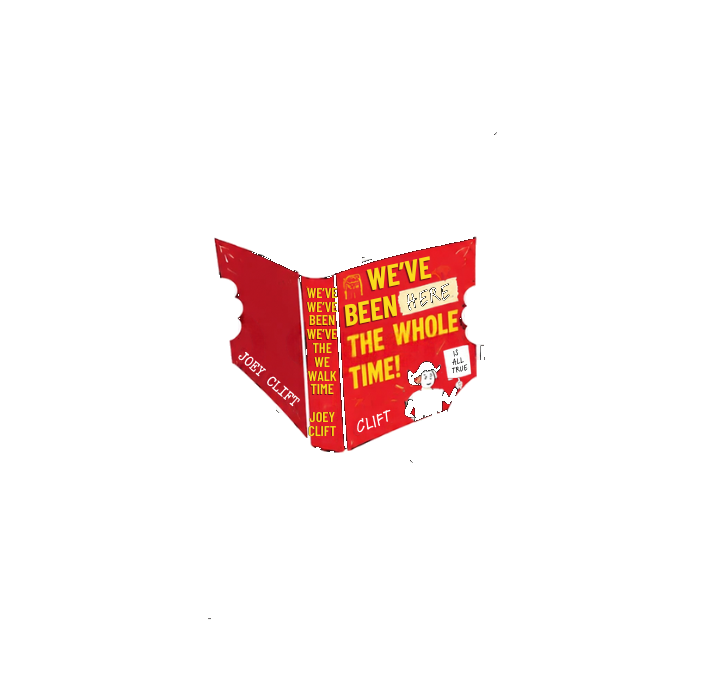


Section 01
Extras
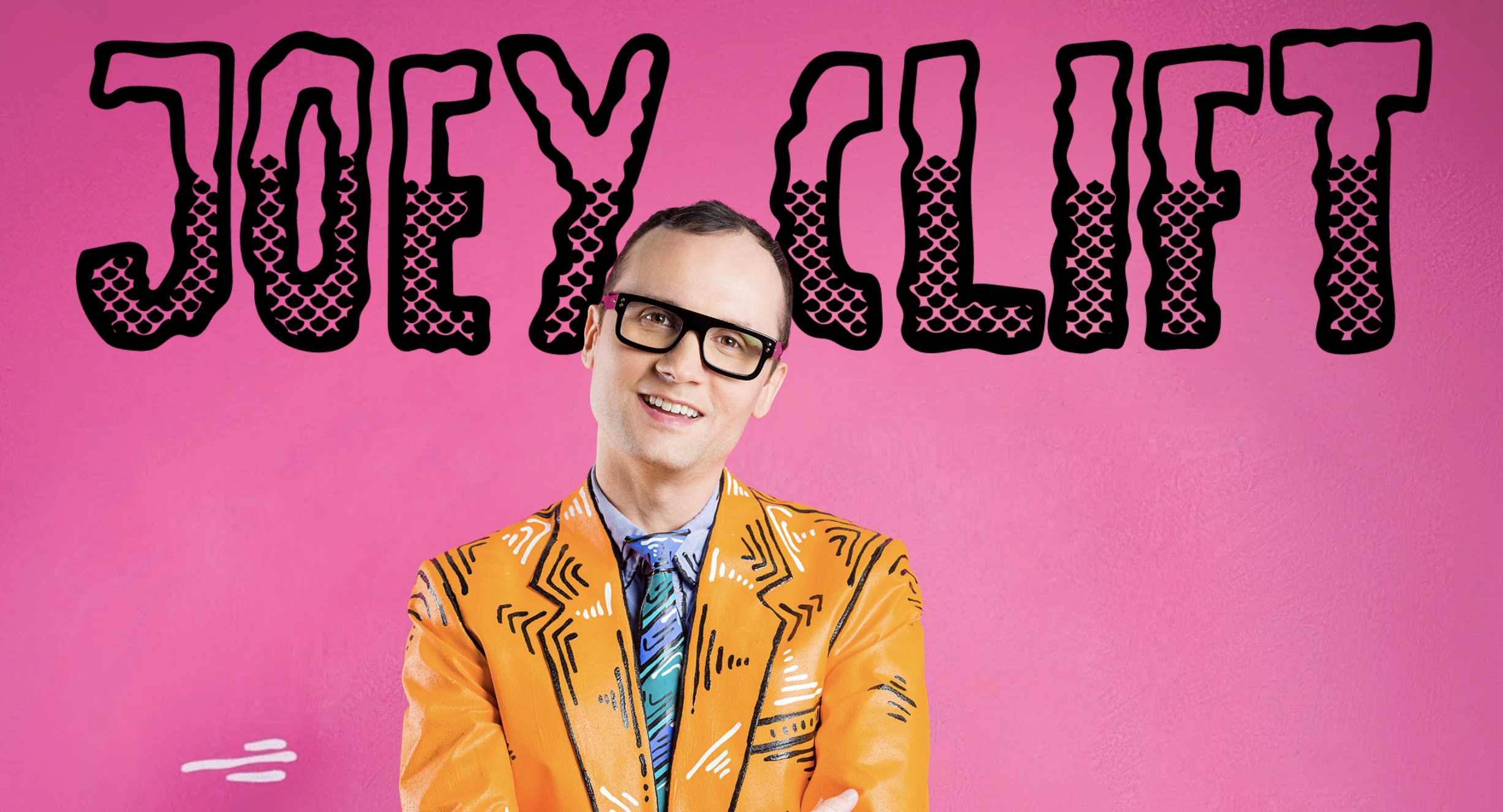
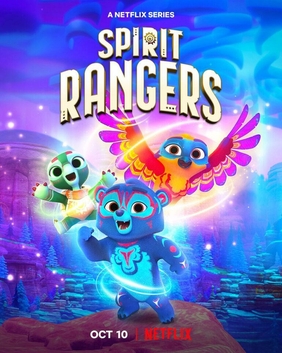
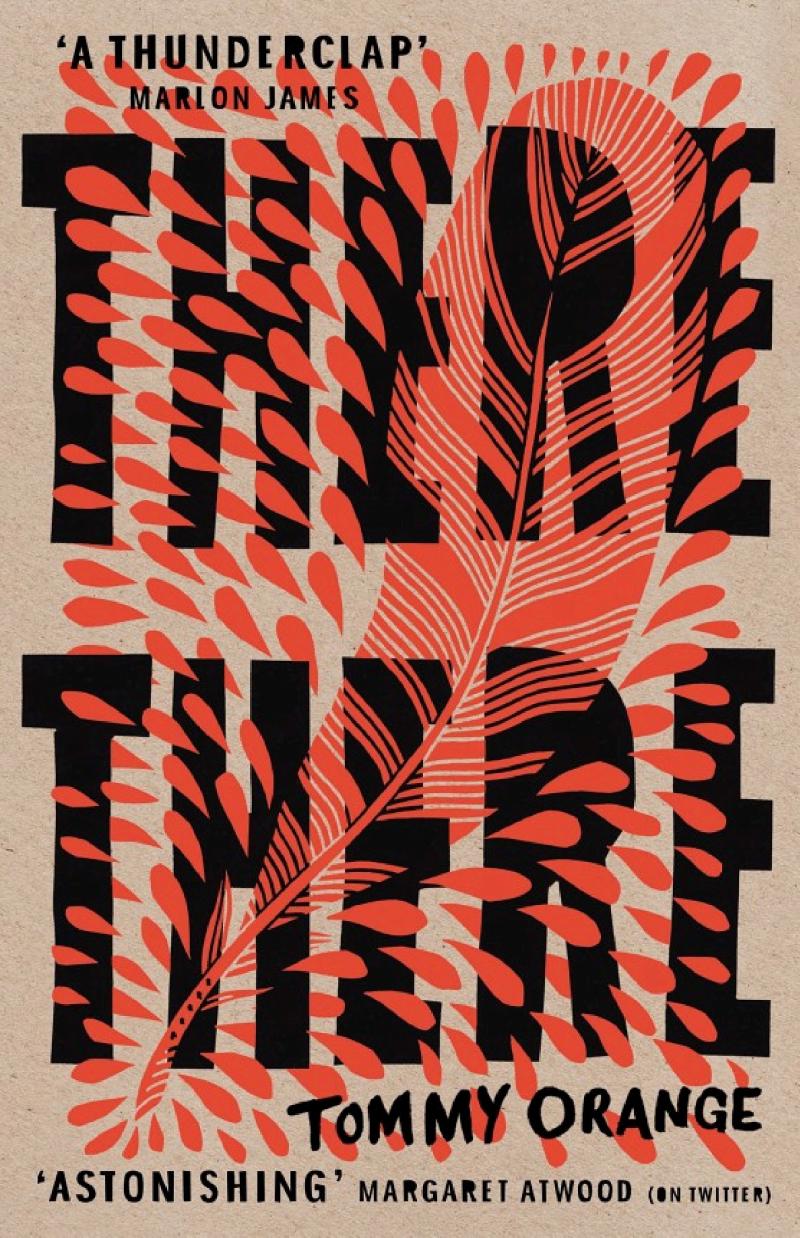
The book itself, the Netflix show he actually writes for, and the novel he tells everyone to read first.
Section 02
Credits
- Guest
- Joey Clift
- Find Joey
- joeyclift.com · Instagram · X · TikTok · Threads · Bluesky
- Co-host
+ Creative Director - Pamala Buzick Kim
- Co-host
+ Executive Producer - Eva McCloskey
- Producer / Social
+ Post-production - Ky Meyer · Kollective Media
- Post-production Producer
+ Editor - Narciso Palma · Kollective Media
- Creative Partner
- Jessie Nagel · Hype World
- Music Composer
- Elijah B. Torn
- Production
- A mavenverse production
Section 03
Transcript
Draft transcript, auto-transcribed and lightly cleaned. Names and terms may be misspelled.
Read full transcript (~19 min)
0:00 Joey It's to the point that, like I've heard from, friends that, chat with them, that the quiet people like their tribal offices will get phone calls from Twilight fans asking, hey, can you turn into wolves? And so I have a chapter in the book basically saying, like, actually, here are reasons that I believe that Stephenie Meyer is the werewolf and her saying the crazy people are werewolves is just a covers.
0:21 Eva Welcome to, you know, too much a bite sized trip down the rabbit hole with people who know way too much about one very specific thing. I'm Eva McCloskey.
0:30 Pamala And I'm Pamela Buzick Kim. Let's get to know too much. So, Eva, what what is your kid like watching nowadays?
0:39 Eva It's, you know, a lot of a lot of a lot. But, currently, he's back into Spirit Rangers. Do you know that?
0:49 Pamala I don't know, Spirit Rangers? No. I'm sorry. Can you do that one more time?
0:52 Eva Spirit rangers, it's.
0:55 Pamala So what is Spirit Rangers?
0:58 Eva It's a cartoon. It's on Netflix. And I think there's there's three seasons. So not currently running, but you can watch the old ups, and it was just, like, funny and beautiful. Sweet. It's about, park ranger and kiddos and their spirit rangers. It's really wonderful. That's awesome. Sounds good. You should watch.
1:23 Pamala Okay. Yeah, let's do that. Maybe there's somebody can help us know a little bit more.
1:29 Eva I bet there is.
1:31 Pamala All right, let's get into it. Hi, Joey. Joey. Clift, thank you for joining us so much.
1:38 Joey Yeah. Hey, everybody. Thanks so much for having me. I'm so excited to guest on the show. It's such a fun podcast. I'm genuinely excited to be here.
1:45 Pamala Thank you. We're so excited to have you. Yeah, exactly. Can you tell us what you know too much about?
1:53 Joey So, I would say I know way too much about, I'm going to say Native American history. That's probably a good topic for me to start.
2:01 Pamala Yeah, absolutely. And why is that?
2:05 Joey So, I know too much about it because I'm enrolled member of the Cowlitz Indian Tribe of Washington state. And I went to school on the Tulalip Press about 45 minutes north of Seattle. So it's just something that's been like, a big part of my entire life. But then, in addition to that, I feel like so few non-natives know much about native history.
2:23 Joey So it's made me get educated about it, like out of spite.
2:27 Eva I guess that is a fantastic reason to do anything. I love a spite driven mission.
2:33 Joey Oh truly, absent every book that I read about this, I'm mad while doing it. Oh yeah. For sure. When, for my day job, I'm like a comedy writer. I write for shows like Paw Patrol, The Spear Rangers on Netflix, like, Molly recently on PBS and stuff like that. And, I've really, over the past couple of years, made it a big effort to use comedy as a way to make native history a little bit more accessible.
2:55 Joey Because you're right. I mean, like, it's like it's tough to look into the history of native people in this country without getting real sad, real facts.
3:03 Pamala Just.
3:04 Joey Oh, yeah, for sure, for sure. But, you know, I feel like for a lot of people, like, it's difficult to get through that or it's like, I feel like most books about native history are, you know, focused more on our trauma. Or, you know, you mentioned written really academically where it's just, like, not accessible for the average person to read.
3:21 Joey So I've really made it a big goal of my past couple of years of my life to use, kind of like my comedy writing expertise and background to help educate people about native issues.
3:30 Pamala Yeah. And how do.
3:30 Joey You say that? Mostly funny or not too sad? Yeah, I said sometimes, mostly funny, you know, and.
3:35 Pamala I appreciate that for sure.
3:37 Eva Is amazing. I discovered the first season and was obsessed and still one of my son's favorite cartoons.
3:45 Joey Shout out to, the Spear Rangers. Show creator Chris Valencia. She's, a really great, TV writer and a member of the Shemesh tribe.
3:52 Pamala So you're a good team player. I my question is, what do you think are some of the most, misunderstood or some of the most missed things in native peoples history?
4:04 Joey I would say the first, most missed thing is that we still are alive. I, I think that, for a lot of people, it's so surprising to me. Like, even that feels like a lesson that people are learning. My, my tribe, our Aboriginal territory is like Mount Saint Helens in Washington state. And, we, they recently, I think, renovated the Mount Saint Helens Visitor Center.
4:26 Joey And, they added a section to it. To, you know, kind of go into details about my tribe and our contributions to the area. And my uncle was there one of the first days, and he saw a family like looking at sort of the Cowlitz exhibit in this museum. And, the, the child of the family, like, looked to their mom and said, like, it's sad the Indians aren't around anymore.
4:47 Joey And like my uncle, who's a very nice man, like politely walked up to him and was like, excuse me, one we are also I'm Cowlitz. That's my tribe that you're looking at. Also, the people on that picture are still alive. You could see a Kia Centro in the background. So, I think that for me, that is, that's definitely a point that, you know, I think it's important to start from there's also just, you know, in my experience, going to school on the rise and then going to college off the rez, where I, like, met sort of people who had never met a native person before.
5:17 Joey For the first time, I, had a lot of just, like, weird questions asked of me, like, if I was born in a teepee, which the answer would have been a longhouse because I was born in Washington, but I was born in the 80s, so it was for sure a hospital.
5:30 Pamala Yeah.
5:30 Joey Yeah. You know, you know, if I have magic powers, I've been asked questions like that. You know, if it's okay for a non-native person to get a tattoo of a dreamcatcher, which, like, I'm Cowlitz, that's the Lakota and Ojibwe people. Why are you asking me? You know. Okay, so, yeah, I think that as a whole, it's just like big picture that people know so little about native history, just period for me is such a shocker.
5:55 Joey Initially. And now just something that I am deeply annoyed by and trying to rectify.
6:00 Pamala Yeah, absolutely.
6:01 Eva You've been able to turn the annoyance into humor and education, because I guess that's the only way to combat the ignorance, right?
6:12 Joey Yeah, for sure. And I also think, you know, I look, I get it, I'm also a very lazy person. And if, somebody said, hey, you have to get really educated about this thing, it's important. Here's a 2000 page textbook. I'm probably not going to read that. But if they can say, hey, you should get educated about it.
6:30 Joey Here's a two minute comedy video with jokes and fun sound effects. I might watch that, you know?
6:37 Pamala I mean, I did have a little bit of a sneak peek of your book that's coming out, and I kind of loved your section. Yeah. So I kind of love.
6:45 Eva Yeah, Joey's book immediately.
6:47 Pamala It's exactly. And we'll put it on your we'll put it on your sub page and a direct link to it so people can find it too. But I kind of have to say I do love the like section about Stephanie Meyer. Is that the first? Is that the author's name from the Twilight series?
7:02 Joey Oh, yeah. For sure. Yeah. So the book is called We've Been Here the whole time. And that's a sacred guide to all things Native America, and it's like a comedy satire book about all the native history, culture and what a noble culture history and notable people that are not taught about in schools. And, you know, I try to like, also include a lot of digs that people have not not been great when it comes to native representation.
7:22 Joey So, because of the Twilight book series, Stephanie Meyer in her Stephanie Meyer in her series wrote that the people of Washington State can turn into wolves, and she at no point like, researched this or like.
7:36 Pamala Even asked us.
7:37 Joey Permission if she could do this. It's to the point that, like, I've heard from, friends that, chat with them, that the Twilight people like their tribal offices will get phone calls from Twilight fans asking, hey, can you turn into wolves? And so I have a chapter in the book basically saying, like, actually, here are reasons that I believe that Stephanie Meyer is the werewolf.
7:57 Joey And her saying the crazy people are werewolves is just a cover. So,
8:01 Pamala That's created.
8:02 Joey A lot of like, Onion and Daily Show kind of style goofs in the book, for sure. Yeah, it's like, truly, she could have done the smallest and, you know, the Twilight takes place kind of in and around forks, Washington. And the Kaylee people like that is their original territory. But like, I don't know, maybe give the tribe a heads up if you're going to say that they're werewolves and you're really popular book series.
8:22 Eva And we'll be right back after this.
8:24 Pamala Collective media is the production team behind Webby Award winning podcasts, creating bold storytelling and culture driven content designed to connect with real people. That's collective. With a K, you can find them at collective Dot media. And now back to the show.
8:39 Joey Yeah, and it is also wild to me that, you know, the Twilight book series came out in what, like the 2000, I think. And at no point has she, like, apologized or reached out to the tribe or like, offered, you know, like donation. Yeah. Anything like that. So like, truly, she just did the thing and did not apologize for it and thinks it's funny.
8:58 Pamala That's craziness. Yeah. I would love to sort of hear some of the notable people that have come from native nations.
9:08 Joey Yeah. For sure. Yeah. Thanks so much for asking that question. I mean, this is a question that I often get asked a lot like legit by museums. Like I'll get random kind of cold reach outs from museums. They want sort of my feedback on it, which is weird to me because I write, TV shows where dogs talk for a living.
9:22 Joey So, like, I don't know why you're talking to me about it, but, one of the first notes that I give to anybody is like, make sure you include native people who are still alive in your exhibit.
9:31 Eva And, you know.
9:33 Joey Or, like, don't make it entirely in the past tense. And, yeah, there are, you know, so many fantastic native people doing great work right now. And then I also give shout outs to native folks from, I guess I would say the recent past, like, you know, somebody like Jim Thorpe is, he's a sports figure who, I was yeah.
9:51 Joey I think that he won two Olympic gold medals in kind of the earlier part of the 19th century, and he went on to become like, literally the first president of the NFL.
10:00 Pamala Really? I don't know.
10:03 Joey Yeah. He was the first president of the NFL. He, was, like, considered by a lot of people to be like, I think literally like there were polls in the year 2000 that came out that basically voted him as the best athlete of the 20th century. Yeah. And he's very clearly a native dude, very proud of his heritage.
10:21 Joey And he's no longer with us. But it's like, you know, I have an entire chapter about how cool he is. Or, you know, there's taboo from the Black Eyed Peas. There's, in New York right now as of our recording. There's, like, Indigenous New York Fashion Week, you know, like New York, the, the new Indigenous New York Fashion Week is put on by a really great consignment shop called Relative Arts NYC, which is fantastic.
10:41 Joey And everybody should check out, I think somewhere in the East Village or something like.
10:45 Pamala Wow, what?
10:46 Joey You should you should go. Yeah, you should probably. You should go to that.
10:49 Pamala Yeah.
10:50 Joey They're not there. Yeah. I'm like look like they started hitting the catwalk. I'm here. And then you got to go, yeah. You know, like the band Redbone, wrote the song Come and Get Your Love, which is in every Marvel movie and, like, Come and Get Your Love. The beat of that song was written to be a pow wow, like, it's.
11:06 Joey It is the exact people here at pow wows that that's that's something an aspect of my book that I'm really proud of is, you know, it's a book about native history and culture, and it's hopefully the first step in your education journey and not the, okay, now I know everything because this one guy said how he feels about, you know, Disney's Pocahontas and whatever, you know.
11:25 Pamala I mean, how do you feel about Disney's Pocahontas?
11:29 Joey Okay. So I have a chapter in my book called, a complete list of people that you can call Pocahontas without being racist. Okay. Number one is the actual Pocahontas. Number two is Disney's Pocahontas. Number three is there is no three. That's the whole.
11:41 Pamala Thing. Okay.
11:42 Joey Yeah. Disney's Pocahontas. Okay, so, my thoughts on that originally. You know, I grew up in the 90s, so when it first came out, I remember being really excited about it because, you know, I was like a kid seeing native folks on TV. And I remember asking my mom if she'll take me to see you. And she was like, no, I'm not going to be fair.
12:02 Joey And, you know, because it was like written by a non-native person. Like, it definitely like glorifies, human trafficking of a child in a way that's insane. There's literally a song in it called savages that's like. What? The lyrics are savages. Savages? They are barely human like, you know? So, you know, it definitely is not some. Yeah, yeah, for sure, for sure.
12:23 Joey So it's definitely a thing that like, I look at through a complicated lens of, yeah, it like, sucks for 500 million reasons. But Irene Bedard voiced Pocahontas. She's the Alaska Native and she's fantastic. And, you know, though I doubt it was written by a native person. Colors of the wind is a real banger song. So you're not wrong.
12:43 Joey You know, I feel like I've picked a couple of moments of it. If you. If you're in a room full of native people, or at least in my group of friends and colors of the wind comes on and karaoke, like, people are going to, like, get a little bit about, you know. Yeah.
12:54 Pamala These people of a certain generation. Yeah, definitely. Okay. Are there like some things we need to like? You're like, this is just absolutely false, and we need to just be clear about that and move on.
13:09 Joey Yeah. Oh, God. Where it is. I wrote an entire book to answer this question. Yeah. I mean, I think, I mean, I have an entire chapter in my book called, things you can call a work meeting that's not a powwow, you know, like, so I feel like, oh, thank you. So I feel like there are a lot of, you know, things at the micro-aggression level, for sure.
13:29 Joey But I also think that just big picture, you know, I, I write about in the book how, oftentimes native folks, we have to have what are called like kind of Indian, 1 to 1 or native one on one conversations where we basically have to, give somebody like a complete education of native people in this country, before we want to have the conversation that we actually want to have.
13:52 Joey And, in my life, like, as a comedy writer, the way that manifests is like, you know, if I want to write a joke about Indian tacos or fry bread in a TV show, and nobody in the writers room other than me knows what an Indian taco is, I have to, like, explain that before I can get to the joke.
14:07 Joey I hope that it kind of raises the bar of what people understand. So we don't necessarily have to have these like super baby conversations before, you know, getting into like the substance of what we want to actually talk about. And that includes things like, you know, what being native even is like, I'm native, you know, biologically through my mom, but I'm also like an enrolled member of my tribal community.
14:30 Joey So it's like if somebody asks me what percentage I am, it's like asking you what percentage of New Yorker.
14:35 Eva You are, what it is. Yeah. No, you have a thing.
14:38 Joey Okay. Yeah. So that's like that's something that is referred to as blood quantum, which basically it means when the government started kind of federally recognized tribes, the way that they did that is they established kind of like a role of the members of the tribe. So, you know, names and stuff like that, which if you consider like people that were on those roles as full blooded, then it's like if you if one of your parents was on those roles, but then one of them wasn't, then your half or if you have one grandparent who was on the rolls and etc., etc., etc. if you're the U.S government and you say that you are,
15:16 Joey you know, the UOA tribe through treaty agreements, like, you know, a certain amount of support or land or something like that, but you also say that like to be a member of the tribe, you have to be at least like one eighth blood quantum. Theoretically, at a certain point, the tribe will kind of breed into the general population and there will be none.
15:34 Joey That kind of qualify for those benefits. So it's one of those things that like, it's, definitely like genocide, for lack of a better term. But, my tribe, we go by lineage so we don't do blood quantum. I'm Cowlitz because, like, my mom is enrolled and she enrolled me when I was a kid. She's Cowlitz because she was enrolled by her mom.
15:53 Joey And we all the way back to our. You know, original Cowlitz ancestor that was like, you know, on whatever kind of the original documents were for my tribe, the only living things that the US government qualifies through blood quantum are like horses, dogs and native people. People and also people like, look at it as entirely a biological thing.
16:14 Joey Like I got a 23 in me. So that means that I'm native. And for me, it's like I'm an enrolled member of my tribe. In the same way that you were a citizen of the United States, like my tribe is, I mean, all federally recognized tribes are like, literally their own countries within the United States. We have our own constitutions, you know, political figures.
16:31 Joey And we're, like, recognized as sovereign governments within the United States by the United States. You know, so it's like understanding that being native is not just a percentage thing. It's also like your community claiming you.
16:44 Pamala Yeah, it's culture.
16:45 Joey It is a it is a biological thing and also a citizenship thing.
16:49 Eva I like that like being a New Yorker.
16:52 Joey Yeah. Truly. Yeah.
16:53 Eva So your book obviously is the best place to start. But if you, were thinking of places to send folks who were looking to get over this 101 level education about native people, where would you send them?
17:09 Joey Yeah. So I you know, the easy thing is to say that the last 20 pages in my book features a ton of shout outs of, different directions to go into, I think that for me, like, you know, aside from just being like, buy my book that has the answers is, I don't know, just like, what are you what do you like in your art and culture and things that you follow and try to just kind of, like, inject native voices into that.
17:34 Joey So, like, if you like punk music, there's a fantastic native punk band based out of Portland called 1876. They're, they're going to they're going to open for one of my book events.
17:44 Pamala You know, that's such a great name.
17:46 Joey Yeah, yeah, they rock. There's so cool. Reed, you know, you mentioned the indigenous peoples history, the United States. I would also recommend like they're there by Tommy Orange. If you, follow the news and you want like an educated native journalistic viewpoint on native stuff, Indian country today is like the main native news outlet. And then Rebecca Nagle is a fantastic, journalist who's written a lot of nonfiction books about, you know, native history and stuff like that.
18:11 Joey She has a Substack that's definitely worth a follow. So just like put put and just like, find the stuff that you like and try to, like, add native people to it. You know.
18:19 Pamala I think that's yeah, that's great. That's such good advice. Absolutely. Appreciate that so much. Well that's all for today's episode of, You know Too Much. Thank you so much to Joey. And now we may know just a little bit more about native culture if you.
18:33 Joey Yeah. Thanks for.
18:34 Eva Having me. Yeah. And friends, if you enjoyed this episode, please subscribe. Leave us a glowing, shining five star review. Share it with someone who'd love it. Explore more episodes and behind the scenes content like you know too much media.
18:48 Pamala Follow us wherever you get your podcast to keep the obsession going. Thank you so much Joey.
18:53 Eva Thank you Joe.
18:53 Joey Hey, thanks for having me.
18:54 Eva It's great.