Section 01
Extras
Where to go down the emocore rabbit hole, courtesy of Tex.
Tex's emocore starter kit
- Ian MacKaye on the word “emo” The Dischord / Minor Threat founder calls the label bogus. Wasn't all hardcore emotional to begin with?
- Salad Days: A Decade of Punk in Washington, DC The documentary on the DC hardcore scene this whole story grows out of.
- Sunny Day Real Estate on Jon Stewart The band Tex credits with making the genre widespread.
- POST: A Look at the Influence of Post-Hardcore, 1985–2007 Book-length deep dive on the post-hardcore lineage.
- 90s Hardcore / Punk / Emo Records, CDs, Tapes & Zines (FB group) Where collectors dig the crates for the one 7-inch a band pressed before breaking up.
- Emo (Wikipedia) The lay-of-the-land overview, if you want the map before the rabbit hole.
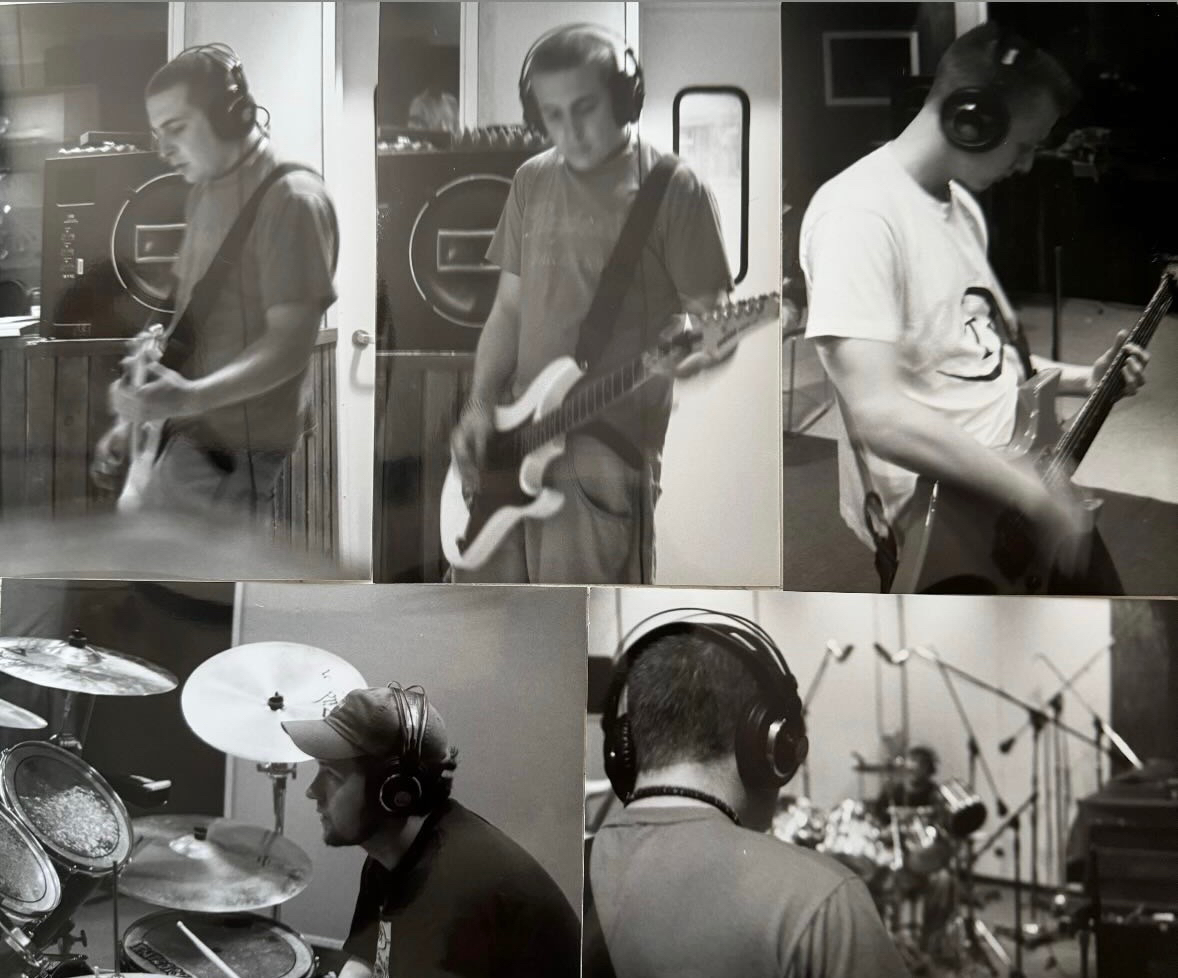
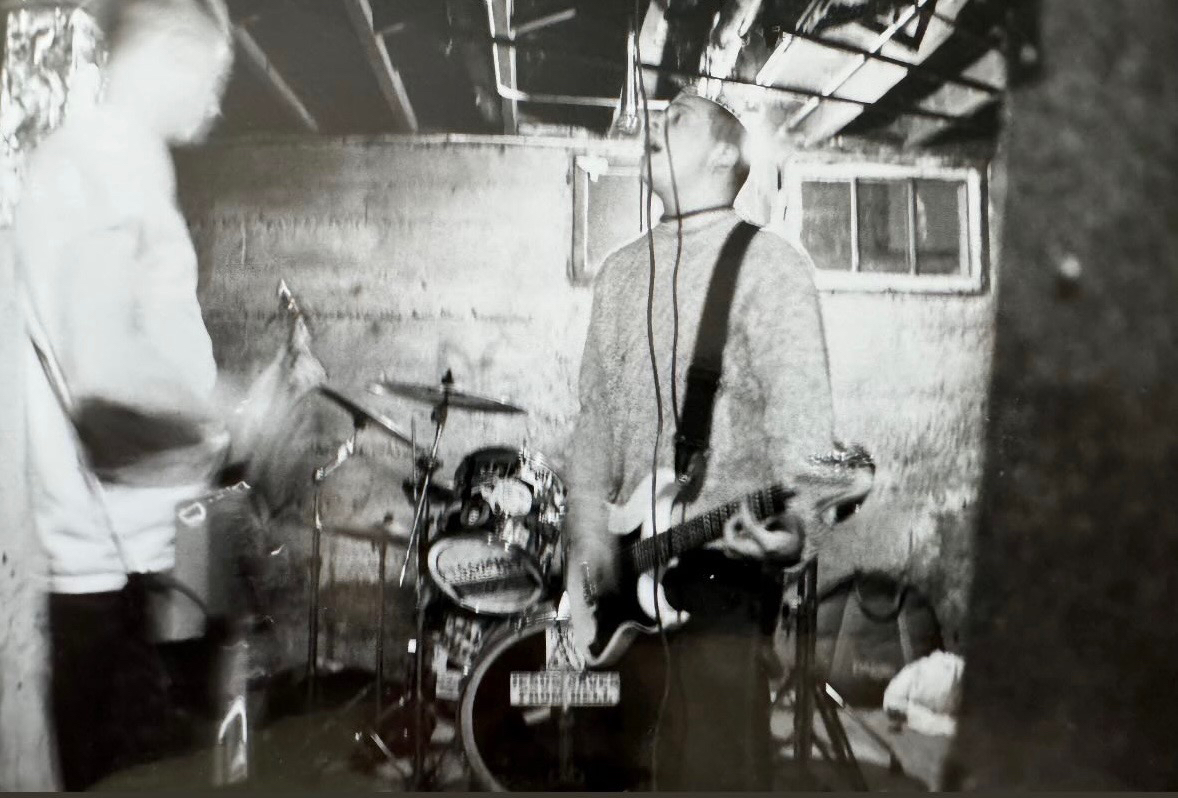
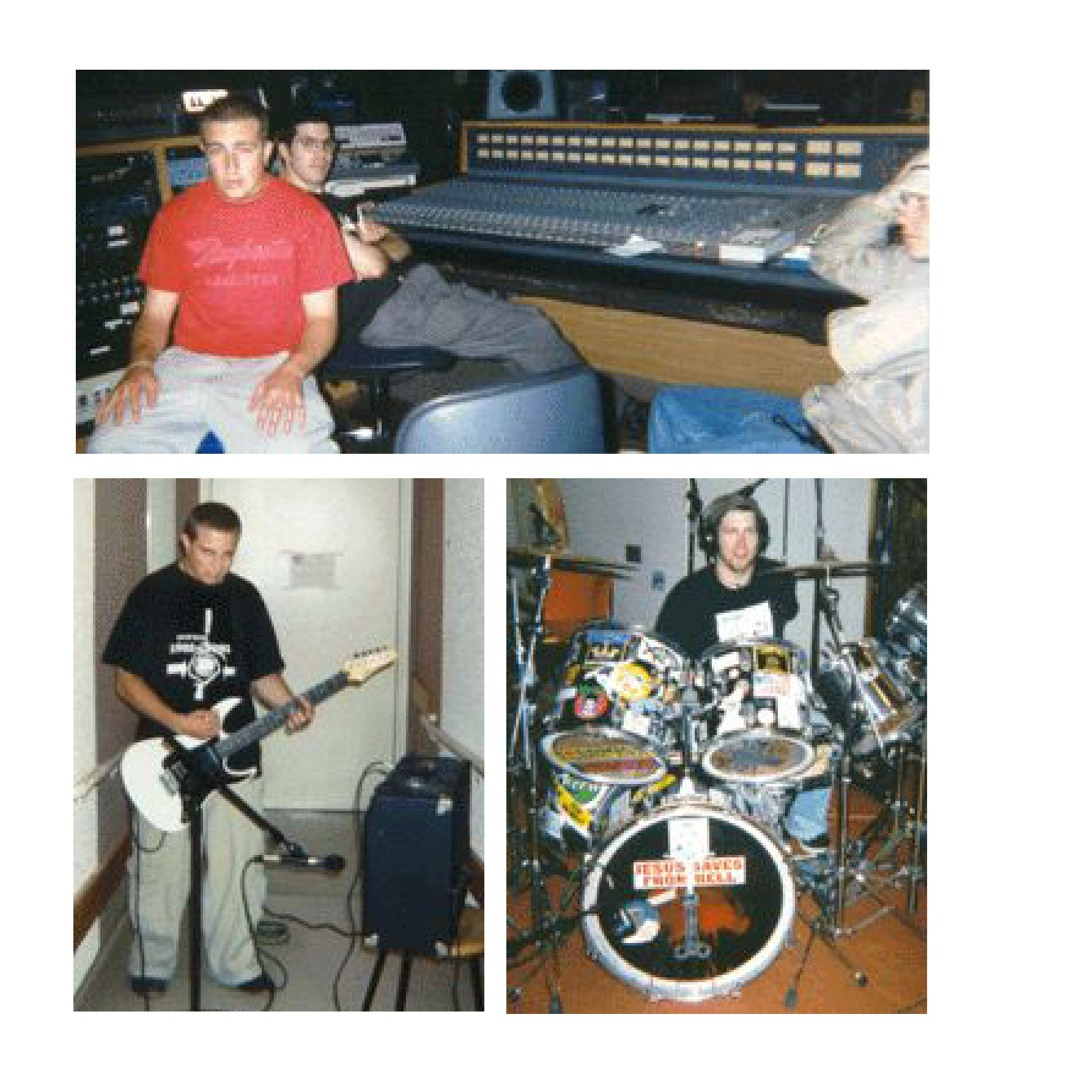
And from the archives, Tex in his own first band, wellspring: in the studio and playing the basement shows that are the whole spirit of the scene.
Section 02
Credits
- Guest
- Joshua Teixeira
- Hosts
- Eva McCloskey & Pamala Buzick Kim
- Creative Director
+ Show Producer - Ky Meyer · Kollective Media
- Producer + Editor
- Narciso Palma · Kollective Media
- Creative Partner
- Tom Christmann · TiNY Ad Agency
- Music Producer
- Elijah B Torn
- Production
- A mavenverse production
Section 03
Transcript
Auto-transcribed and lightly cleaned. Names and terms may be misspelled.
Read full transcript (~18 min)
0:00 Tex So they're playing their reunion show in here. Rains. And there are puddles in the basement, and the crowd in the band started getting electrocuted. Oh my gosh. So they had to say, I had to turn it off because we were all getting shocked by standing on the floor.
0:12 Eva The internet wants you to know a little about everything.
0:15 Pamala Headline here, a trending topic there.
0:17 Eva Just enough to have an opinion.
0:19 Pamala But never enough to understand.
0:20 Eva This is, you know, too much.
0:22 Pamala A show about the opposite.
0:24 Eva The people who go all the way down the rabbit hole.
0:27 Pamala The collector.
0:28 Eva The overthinker.
0:29 Pamala The obsessive.
0:31 Eva This is, you know, too much.
0:34 Tex I I'm tax I know way too much about emo car.
0:37 Eva It's good because we know nothing about emo. Course I know that's good.
0:41 Tex You should keep it that way. Keep it that way. No, not to be a gate. Not to be a gatekeeper.
0:45 Pamala No. We want you to occupy your mind for the next. The next 15 to 30 minutes, okay? Understand this passion of yours. Okay, I guess the first question is, what is emo core? And I checked it off.
0:59 Tex It was okay, so that's kind of two questions. And one, it was never meant to be a thing. It was a sort of an offshoot of the hardcore scene, primarily in DC. But as even knows, there was a big hardcore scene in Boston as well and in New York, and there was a lot of tough guy stuff. So in the summer of 1985, all the DC bands broke up and we're like, we're tired of skinheads at the shows, we're tired fights, we're tired of misogyny.
1:28 Tex And so they started these different sounding bands that were a little more introspective, if you will, a little more thoughtful, less overtly, like scene politics and and all of that, and also combined a little bit of melody with sort of the hardcore aggression that you might think of when you hear the word hardcore. But it was originally what's that for?
1:51 Eva But not hardcore.
1:53 Tex Yeah. So the original use of the term was actually like a derisive term. So there was this fanzine called Flip Side, and it was a punk rock and skateboarding fanzine magazine that was put out. And when these bands came out embracing Rites of Spring being like the primary sort of bands in that genre, which was never meant to be a genre.
2:16 Tex But those two bands actually eventually became Fugazi. So you guys, do you know people in those bands, or at least the offshoots of those bands? Anyway, the guy that put out flip side coined it Emo Core because it was slowed down. It was a little bit more introspective, poetic, a little bit, a little bit just more artistic than the prior renditions those bands had been putting out.
2:41 Tex So it was it was meant as a derogatory comment on these bands that he didn't like, that they were slowing down, they weren't as violent, and so too many families, too many feelings. Again, it was never meant to be a genre. It was more an offshoot of hardcore. But once it got coined as a genre, then there were a million sort of not copycats, but other more artistic fans that kind of got lumped into that category.
3:08 Pamala How did you get into it?
3:09 Tex How did I get into it? Well, I was into the original bands. I was I was a little bit younger than than the kids in the bands, but I had the pleasure, I guess, of being introduced to skateboarding by kids way, much older than way older than me, and they were into, you know, all kinds of music that I shouldn't have been exposed to at the age of 12.
3:29 Tex But I was very I was very passionate about Minor Threat, which is like, you know, the original DC hardcore band Bad Brains. So I was already kind of plugged in and also, as even knows, there's a legendary record store, Newbury Comics in Boston, that eventually I got to work for. But, they had like an amazing punk rock selection.
3:48 Tex So anything that had to do with DC hardcore, DC, punk rock I was going to get. But that wave of records really just, I don't know, spoke to me in a different way. What I didn't like about Boston and New York hardcore was the tough guy stuff. You know, I was a bunch of blowy guys with shaved heads, like beating people up.
4:07 Tex And this isn't my it's not my God. So this very much spoke to me in a different way, but because it was like built out of bands that I had loved previously, I sort of leant into it.
4:18 Eva We need to see the the family tree of the Genesis there.
4:22 Tex Yeah, I need to make an org chart. Absolutely. Yeah.
4:26 Pamala So how deep do you go? I mean, you're so you're still super into it and yes something what's something that only if somebody else is super deep into it that they would know about as well.
4:38 Tex A band called porches, the past, which was part of the second wave, early 90s California. They made a little more chaotic sound on sort of what what was coined emo. Most of these bands broke up before anyone could go to a show, and they would release like one seven inch. So that's like another big, like, passion is like people go dig in the crates to find that like one record of that one band that broke up when they were in high school.
5:06 Tex And anyway, so.
5:07 Eva Where's your sample delivery? We want to see it.
5:10 Tex Okay. Hold on. It's in my backpack. All right.
5:12 Eva All right. With your Jawbreaker t shirt. Love it.
5:16 Tex Yeah. That that's connected. Jawbreaker. Jawbreaker came more out of like the street punk scene. But as they got more sort of melodic they got kind of lumped into like the emo core scene that they they were not part of that.
5:29 Eva I love that you mentioned Newbury Comics, which, yes, I'd like to just mention, the original Newbury comics was below the first barbarian group office. Oh, really?
5:40 Tex Oh, look at that.
5:41 Pamala Street. Wow.
5:42 Eva Circa 2004.
5:44 Tex So just got this in the mail. But what's significant about this is that portraits of past again, people got into them before, like after they were even a band. Like they had already broken up when the last few years they've done like all these surprise reunion shows. As part of that, they covered a Rites of Spring song, which is the original, like DC emo band Rites of Spring.
6:08 Tex It's Keep It Auto from Fugazi. They covered their most famous song, and this is the pressing of them covering that song, which was just iconic, that they even had the gall to cover such a song of that, of that status in the genre.
6:26 Pamala I mean, it's almost like it's almost like a treasure hunt in a lot of ways.
6:30 Tex Yes, more than the music, I will say. I love all the music, but there are lots of records I have that I haven't even listened to because I'm afraid to open them.
6:38 Pamala Oh yeah.
6:39 Tex Like I don't want to unseal them. Yeah, but the treasure hunt is a huge part of it either. I don't know if you remember Mystery Train records, but the Mystery Train in Amherst, for some reason, was like a treasure trove of abandoned email records that no one knew what they had. So I would go there and, like, dig in the crates and come out with a bunch of gems that they shouldn't have been selling for like two bucks, you know?
7:04 Eva Mazing. Are the kids making emo core these days?
7:08 Tex Well, what's your question? There's even like a subgenre of hip hop called emo hop, which is, yeah, yeah. So like the musical, it got to me.
7:18 Eva Just pipe in to this episode.
7:20 Tex Right? But over time, as it got sort of more broad appeal, it became about that, about like sad breakup, breakup stuff. And so that bled its way into other genres like hip hop.
7:35 Eva So, so many feel.
7:37 Tex So I don't know if the kids yeah, the kids are still making some like offshoot versions, if you will, of like the OG stuff, but I think they've kind of melded it as they do into their own expression, which is great, which is how it started anyway.
7:51 Pamala So when you listen to emo core, like, what is that feeling that you get?
7:56 Tex Well, it's like the perfect combination of the aggression and energy of like, hardcore and like skate punk, but without the toughness or machismo that those older bands came with. Right. And so it's a nice combination of both, like free jazz or like poetry. I don't know, it's like a different like it's a different angsty expression that has nothing to do with being aggressive.
8:23 Pamala Okay. What is emo core memory or artifact that you have that like you're most proud of? Like, like you could mention it to any other deep fan that'd be like, that's dope.
8:35 Tex Okay. But the memory that I have related to porches in the past, they played shows in 2008. They did want to death by audio. It had dirt floors. Was barely a venue. Yeah, but the night before, they played a secret rehearsal show for the show. And because I had the right nerdy friends I got to go to, that just was a crappy old dive bar.
8:59 Tex And they had very bad electrical. So they're playing their reunion show in here. Rain. So there are puddles in the basement, and the crowd in the band started getting electrocuted. Oh my gosh. So they had to they had to turn it off because we were all getting shocked by standing on the floor. So that's like my story that I could tell.
9:16 Tex But the artifact I have is of the orchid. Jerome's dream split ten inch, that is shaped like a skull that I got at Newbury Comics, but people like on eBay and on Discogs hunts after that. And I just happened to get it because I was at work and it came out and I knew the kid's an orchid. So I was like, I'm gonna buy this orchid.
9:37 Tex Jerome's dream is the second tier to the record. The moss like icon Silver Bearing Split, which has handwritten liner notes. There are only so many pressed because they get they had to handwrite the liner notes on translucent paper. Yeah. Part of what sort of brought me into the genre as well was like the the craftsmanship, not just a document of the music.
9:57 Tex It was like an artifact that the bands were like hand creating. There's another seven inch by Ordination of Aaron, which every copy of the seven inch has a different hand-picked fall leaf that has fallen off a tree, that they put packaging tape over the top. So I've got two with two different leaves, but like, people hunt down like the different covers with the different leaves.
10:18 Tex Yeah. It's a yeah, yeah very crafty.
10:22 Eva I get the, I get the vibe.
10:23 Tex That's like make it yourself. Yeah do it yourself kind of vibe. It's like we're going to book a basement show. We're going to do the flier ourself. We're going to print our own t shirt. So we're going to make our own liner notes. It's going to sound like shit. And that's part of the appeal.
10:36 Eva And we'll be right back after this.
10:39 Pamala We spotted consumers are drinking less but still want the ritual of a great cocktail. That's why blind tiger spirit free cocktails preserves that ritual without the spirit. Find us at Blind Tiger spirit freaked.
10:50 Eva Com Madison built only olive because every chili crisp on the shelf was made with seed oils and additives. Now it's in three flavors made with 100% olive oil. By now at eat only olive. Com.
11:04 Pamala And now back to the show.
11:06 Tex So Ian, Michael, you guys probably all know Ian McLean, the founder of Dischord Records. He was like the singer of Minor Threat. He was in one of the first bands that was coined IMO. It's called embrace and there's the you can find the video on YouTube. And he was like, I've heard we're called emo core. I think that's Cocker because wasn't all hard core emotional to begin with.
11:26 Tex There's something like earnest and angsty from the Basement shows up. That's kind of the spirit of the scene.
11:32 Pamala Yeah, I feel that that's I love that I if I were to get into emo core today, what do you think? What album or what track do you think I should be introduced to?
11:45 Tex So for the origin story, you have to start with Rites of Spring. The track is for want of okay, that, that that's also from that same crop of 1985. They called it Revolution Summer. All the hardcore bands in DC broke up and reformed with different members in different configurations. Yeah, Rites of Spring was probably the most like passionate insane, based on the live shows I've been able to see on YouTube, because obviously I was nine at the time, so I wasn't going to show the DC just incendiary live show, super passionate, crazy, crazy stage presence.
12:21 Tex So for whatever Rites of Spring. But the but the song and the record that made the genre more widespread was a band called Sunny Day Real Estate, and they were out of Seattle.
12:32 Eva Right. I feel like that band is still touring.
12:35 Tex They're still touring, just like other emo core bands. They broke up when they got famous, and then when they got legendary, they formed back together because, I don't know, they can sell tickets and records and all that stuff, which I get, I respect, you got to do it, you got to do it. But they were on Sub Pop, which is like a big label out of Seattle.
12:55 Tex But Sunny Day Real Estate had a very unique sound. It almost sounds like a mixture of like OG emo core with like a little bit of like hair metal. Like it has like a little bit of metal sheen and it has very, very like dramatic songwriting, very melancholic. And they were sort of the ones that made the genre super popular.
13:18 Tex And then you have a million copycats after that, so you'd have to listen to seven buy Sunny Day Real Estate, which I also have a green vinyl, you know, if you ever want to listen in person. They were just so you know.
13:29 Pamala Those of all of these things.
13:30 Tex Yeah. I'm down. I selected my selects. So I've got them I've got them ready for for for document documentation I love it.
13:38 Pamala So I have another question. What am I wearing. When am I going to be wearing when I go to this everyone's welcome. There's so there's a form.
13:45 Tex That was the idea was like, anyone can show up, you can be a dork. But like, of course over time that evolved. If you go into the late 90s, early 2000, everyone had like, this would be like Myspace hair and like everything was black, like black skinny jeans, black t shirts. But that was never the intent. It was meant to be a more welcoming, welcoming space, particularly for women, because like the original hardcore scene was like not a great place to go if you're a lady, you know?
14:15 Tex Yeah, the girls would have to stand in the back and hold the jackets of the guys in the pit, you know, like dumb shit like that. So this is meant to be a more welcoming space. Put it put. Put a pair of these glasses on and you will be.
14:26 Pamala So I just.
14:27 Tex And like, just like a fake white pen, I don't know. Yeah.
14:29 Pamala Still look like an art director in advertising. So. Absolutely.
14:32 Tex Yeah. Absolutely. See we've gone everywhere. Yeah.
14:35 Eva This is.
14:36 Tex Yes.
14:37 Eva 100% manga. Loves emo core.
14:40 Tex Like I can tell.
14:42 Pamala All cats like emo core.
14:44 Tex Yeah, well, I don't know if Roger does my cat. He only likes cat TV. I don't think he likes any of the music I play.
14:50 Pamala So interesting. And yeah.
14:52 Eva In your heyday, what was your uniform?
14:57 Tex In my heyday, I like to think my heyday is still coming, but that's okay. Yeah. You know, but yeah, I never had the I never had the black swoopy hair. I did have skinny jeans, did dye my hair black once. I had the choker. And the choker was a good look, was a hot look for a long time like Krishna beads, Krishna beads, but like very tight, like little tiny plugs.
15:24 Tex I'd wear a sweater to the show. Oh yeah? Oh yeah. I did the.
15:28 Pamala Documentation of this.
15:29 Tex Yeah I there is a, there is a photo of my failed emo band in college where I'm like singing and I have like, a sweater just like yours, but with my tight chokers and little plugs, I've got, like, a buzzcut, no eyeliner, no nail paint.
15:45 Pamala Okay.
15:46 Tex You know, no sleepiness.
15:48 Pamala Well, why does emo core matter? Like, as in, like, in the sense of, like what does it bring to us today? Why has it still like, you know, resisted the dawn of time? Like, why do we still have it? What does it mean to us? What do you want? You know, what do you want to share with the world about it?
16:05 Tex Okay, again, I'm not the governor of emo core, but I think. I think.
16:10 Eva You know too much about.
16:11 Tex You. That's true. I know way too much about it, and I do have a lot of passion for it. But what I do like about it is that you don't have to look a certain way. You don't have to be a straight white guy to be in the band. There were tons of women in the in the scene.
16:25 Tex It also encompassed a wide variety of sort of underground music that was like, combined and recombined in new ways and had a very, I don't know, artistic and endless sort of charter, if you will. This was sort of a more open, welcoming space and seeing it really felt like art forward as opposed to sort of musical politics forward.
16:49 Tex And I think, like there's still space for that. And now that we can still be old and be into it, you know, like you'd have to grow out of your punk rock phase and like, get a job as a salesman or something. But, you know, a lot of the bands that are even older than me are getting back together and still playing shows, and it's incredible.
17:07 Pamala So I love that it brings you so much joy, you know?
17:10 Tex And it does.
17:12 Pamala It's a community, whether you know the person that's also into it or not. It's just like.
17:16 Tex Totally.
17:16 Pamala Community. And also reverberates all that you would want in a community. Joy, belonging, you know. Yes. It's still having individuality.
17:24 Tex Yeah.
17:25 Pamala That's awesome. I love hearing about that. Well, on that note, I was going to say thank you so much for being here with us and knowing too much about Emo Core and sharing it with us. And now I know just a little bit more about it.
17:40 Eva That's all for today's episode of You Know to Much, a podcast brought to you by Maven burst, where brands and communities connect.
17:47 Pamala If you enjoyed this conversation, please subscribe, leave us a review and share it with someone who would love it. Explore more at You Know Too Much media.
17:54 Eva Follow us on Instagram and YouTube to keep the obsession going.
17:58 Tex There you go. Well, thanks for having me. All right guys.