Section 01
Extras
Where to drink Nick’s beer and what the brewery looks like behind the scenes.
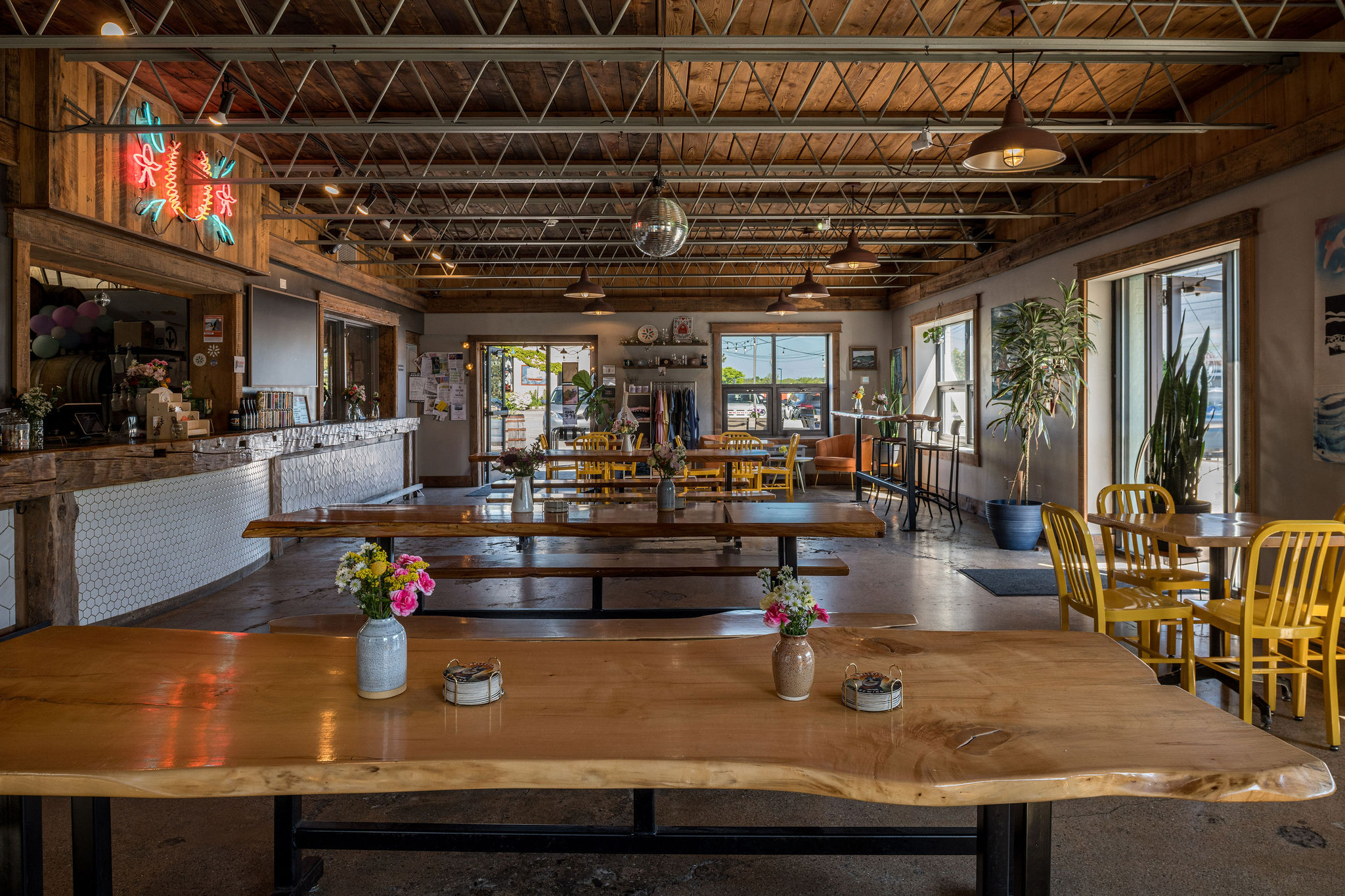
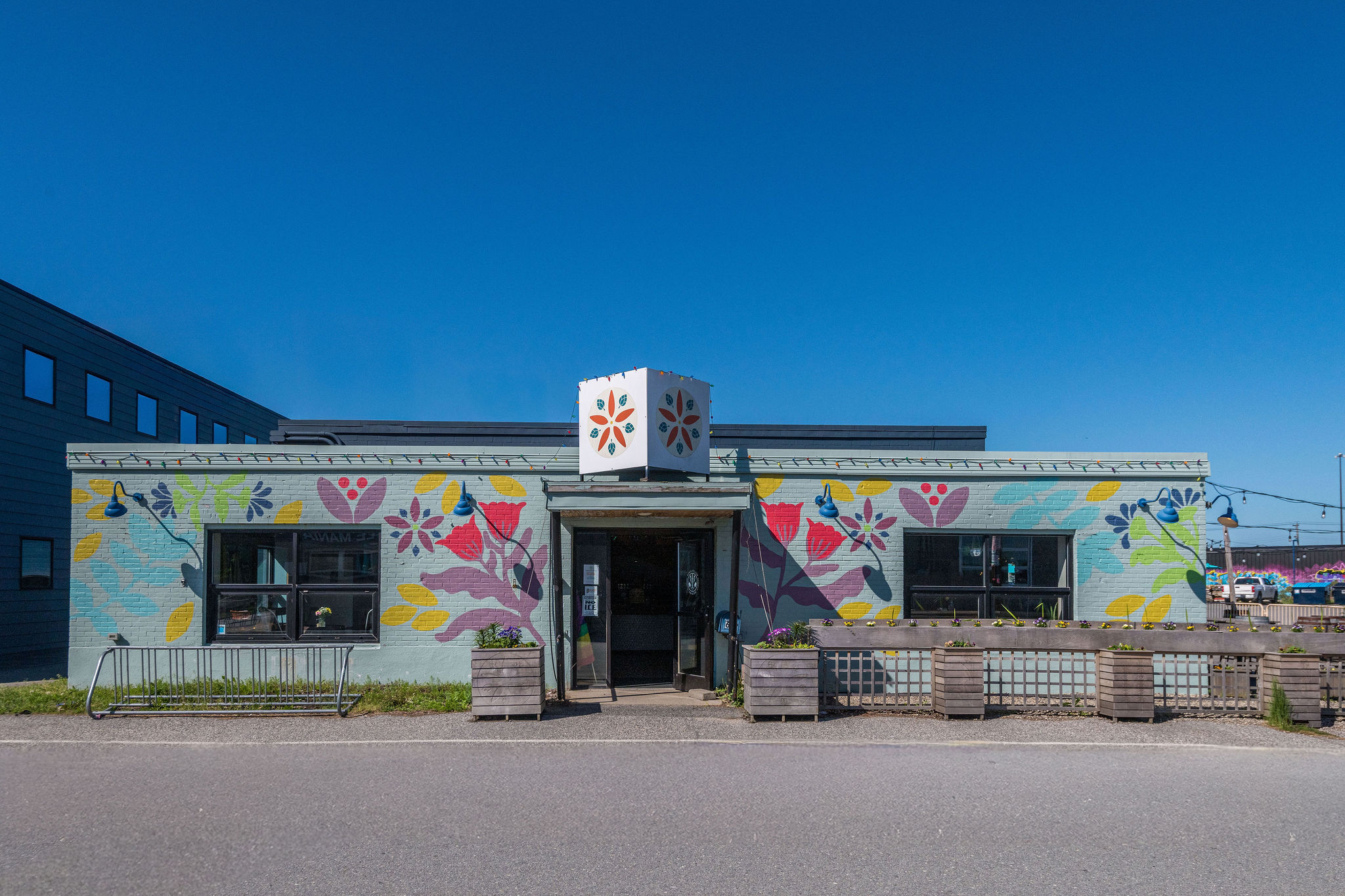
A look at the brewery and the people behind it, from the tasting room to the production floor.
Section 02
Credits
- Guest
- Nick Bonadies
- Hosts
- Eva McCloskey & Pamala Buzick Kim
- Creative Director
+ Show Producer - Ky Meyer · Kollective Media
- Producer + Editor
- Narciso Palma · Kollective Media
- Creative Partner
- Tom Christmann · TiNY Ad Agency
- Music Producer
- Elijah B Torn
- Production
- A mavenverse production
Section 03
Transcript
Draft transcript, auto-transcribed and lightly cleaned. Names and terms may be misspelled.
Read full transcript (~17 min)
0:00 Nick This is how people discovered it. They left the liquid they made, like stew out of barley at some point, right? If you imagine leaving that out somewhere and then like coming back to it in a couple days and you're like, oh my God. It's like foaming out of the thing, like, let's try it. And then all of a sudden you're like, feeling a little drunk and like a little tipsy.
0:16 Eva But sure.
0:17 Nick Yeah, but it's like, this is amazing. So it's like, what we want. Like what we crave, what what humans crave.
0:23 Eva The internet wants you to know a little about everything. Headline here, a trending topic there. Just enough to have an opinion, but never enough to understand. This is, you know, too much a show about the opposite. The people who go all the way down the rabbit hole. The collector, the overthinker, the obsessive. This is, you know, too much.
0:44 Nick I'm Nick bonds, and I know too much about how great beer is made.
0:49 Eva Let's just get right into it. Beer.
0:51 Nick Okay. Beer. We love it.
0:53 Eva We? Yeah. I mean, we love to drink it. Tell us a little more about the the bridge between enjoying beer and now brewing.
1:02 Nick Making it. Yeah. I mean, beer has been part of our culture for a long time. You know, whether American culture, whether whether or not we necessarily agree with that or not as a society, even deeper culturally rooted in the history of the world, you know, some some stuff even goes back to like when people first started not being hunter gatherers and settling down in places.
1:25 Nick The reason they did is like so they could make fermented beverages, really. And, you know, they could grow stuff. Turn it into something that would be different, right? And so for me, I've always been like kind of leaning culinary in, in the stuff that I like to do, whether it's like cooking, baking, all that stuff is super interesting to me.
1:44 Nick And, and, you know, I think that craft beer obsession started way before I was even close to drinking age.
1:50 Eva You must have been a baby during.
1:52 Nick Yeah. Well, yeah. Yeah.
1:54 Pamala The the craft brewing. I mean, when was the when was the craft brewing? The 90s?
2:00 Nick Well, no. So there's been a couple. There's been a couple, right. So in the 90s you had a lot of like, brewpubs, like opening up, making like, beers for for their restaurants, stuff like that. And then we had like that. Yeah, exactly. And then there was another bigger renaissance in the early aughts, and then more in the 2012 to 2020 range.
2:21 Nick So basically, number of craft breweries went from somewhere around 2000 in like 2012, and we're at 9500 right now, which is a lot, you know, a lot 500. Yeah, exactly. So many across the U.S., across the U.S.. Yeah. And and if you take that worldwide, it's even more than that. All these, like, small operators that popped up in their in their country, you know, brewing stuff that's like, culturally relevant to them in processes that are culturally, culturally relevant to them in terms of like water, like we all do.
2:52 Nick We all amend our water to meet the the guidelines of what you're trying to trying to make for beer.
2:59 Eva How do you do that?
3:00 Nick Well, you just add you add the minerals. Sorry, I could just talk about water forever, but this is cool. This is great. So we need to.
3:06 Eva Do episode two quantities back. Water of water amendments. Yeah, I don't know. She's up here. I don't drink beer. So this is all. It's all a good thing to me.
3:17 Nick If you mess up your water chemistry and you have the most amazing beer recipe in the world, it doesn't matter. Because the water chemistry is still going through you. Potentially. Yeah. Water? I don't know.
3:27 Eva Okay, so you start there, you get the you get the water amended to the correct zone. And then next is what.
3:37 Nick Yeah. So it really even goes back from there when you talk about the water in New York, the New York bagels. Like in my mind, what that says is like the terroir that you're getting the ingredients from. Right? And terroir is the environment of the, of the place that it's grown. And then the, the soil that it's also grown in.
3:55 Nick So the Pacific Northwest is a is a great example of a place that can grow incredible hops because of the terroir. So when I think about that stuff, it's okay, what do we have? Because I'm always trying to brew with as many local ingredients as possible. That comes that comes from Covid number one, because it was impossible to get raw ingredients from the Midwest.
4:16 Nick Yeah, from even even from the Midwest. You know, those trucks aren't driving. Yeah. So, like, where do you get your. Sorry, can I say my curse? Yes. Okay. I'm so sorry. When all that stuff happened, you know, I was working at a different brewery, and it was really hard. Everything just disappeared. And so, you know, opening opening our brewery and, like, thinking about the things that I value, not only as a brewer, but as a human being and and someone who lives in New England and loves New England.
4:43 Nick It was really important for me to find farmers who I could walk up to their house. Thanks, Mark, for growing the barley this year or whatever it is. You know, again, we're very lucky here in Maine because Maine has the the largest county east of the Mississippi, which is Androscoggin County, like all the French fries in the country basically come from Androscoggin County.
5:05 Nick But the cool thing is, all the all the farmers up there, they're growing potatoes like they grew up potatoes. 15 years ago, somebody got the bright idea. Hey, maybe we should start growing, like, high quality barley. And that would be really good because they were just using it for cow feed or pig for every farmer has, like, a different program.
5:23 Nick One of the farms that we work with, a ton, that's called the Aurora mills, they do everything. It's bio intensive, regenerative organic farming practices.
5:32 Eva Beautiful.
5:32 Nick Which is a huge mouthful. But the things that they do like it crazy, you know, it's like crazy. But it's the dedication to that craft. The care that goes into all that stuff is like, so worth it. Yeah. And that's the funny thing that here we are, we're talking about, by the way, we've just been talking about farmers and water.
5:50 Pamala We haven' even gotten to the beer.
5:50 Nick This whole time. The beer. I haven't even gotten the beer. I'm like like this is all that. This is all the foundational stuff that's so important to.
5:57 Eva Us to.
5:58 Nick Making.
5:58 Eva Yes.
5:59 Nick Leading us. Yeah. Exactly. Yeah. So anyway, so these are word mills people. They, they they rotate their, their, their fields like four times. And they do a year of letting it go fallow. What they'll do then is they'll plant a whole field of peas, and the peas just grow up. And they if you've ever grown peas before, they kind of grow in like a vine and then that all wrap around each other.
6:18 Nick I'm not joking. Like 5.5ft thick LP material. They then just run the tractor over and they just basically till it back into the earth. So I love the I love that that whole crew made and so like that, that's the kind of thing where it makes me feel a lot better about, about the stuff we do and the fact that it's like just for adults.
6:36 Nick But yeah, it's different.
6:38 Pamala So I obviously you love the process. You sort of love the raw materials of it, you know, what is it the taste like? What are you looking for when you're making your craft beer? Like? I feel like taste is so vast.
6:50 Nick You know, people ask me that question, like with some, some frequency and and the answer changes a little bit every so often. But again, going back to what I said originally, the core for me is like a it's like a culinary exercise. And so when we're thinking about developing a beer, we we always start from the end result.
7:07 Nick I'll use a real world example. So when we were we were starting a business, we bought 60 individual cans of different IPAs that we all we knew and we liked sampled every single one, and then came up with the the tasting notes or like the end result of what we wanted to make based off of what we were tasting from all those different IPAs.
7:28 Nick What we came to was like, okay, nobody is doing pineapple really well.
7:32 Eva Really? Really. Yep.
7:34 Nick Oh yeah. Just wait. Just wait a little bit of like, orange zest and then like a little bit of darkness. Now the whole trick with all the all these like flavors were only we can only use water, grain, yeast and hops. That's it. So we're not actually putting pineapple in it. We're not actually putting, you know, our concept.
7:54 Eva In a pure.
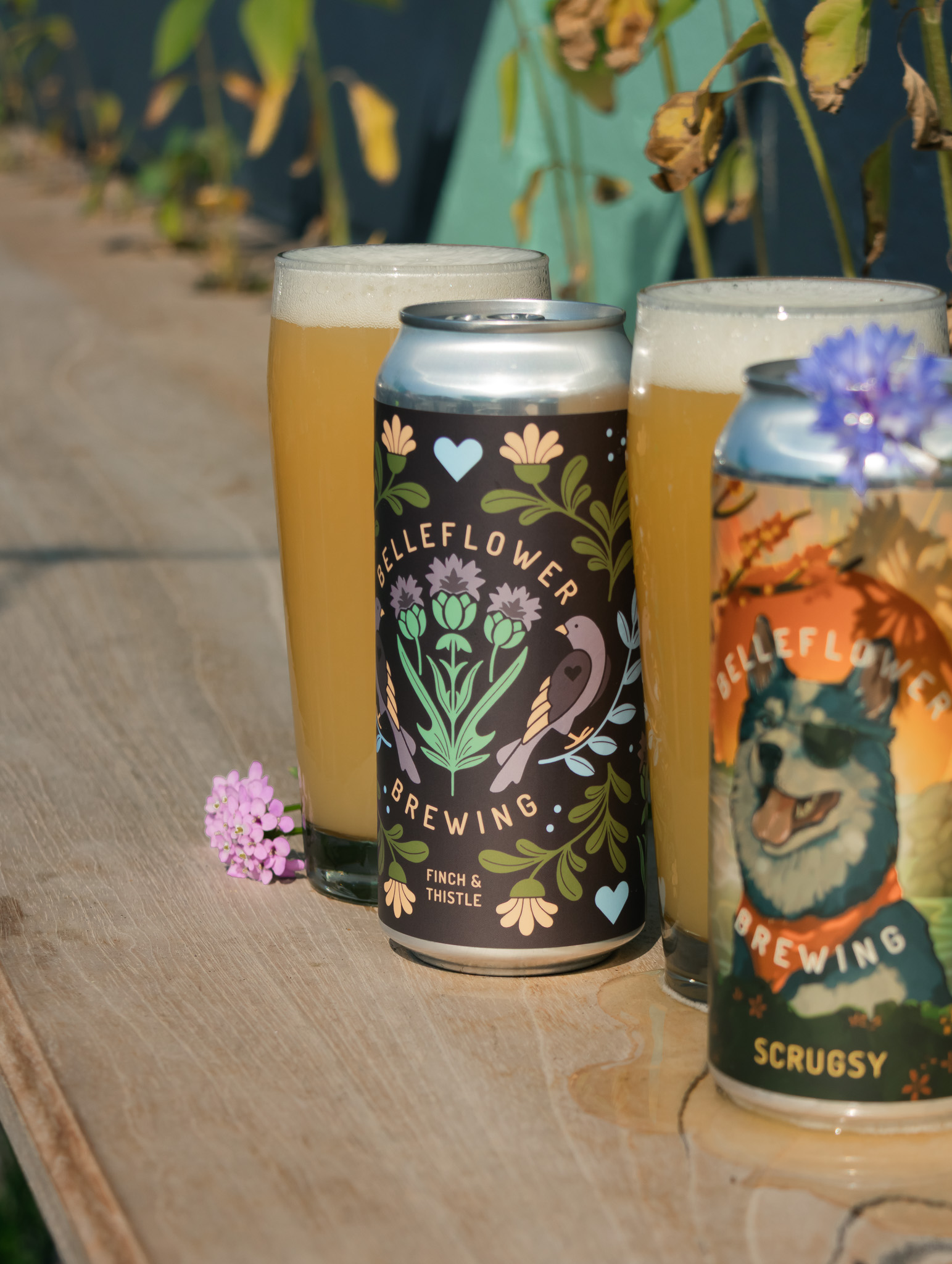
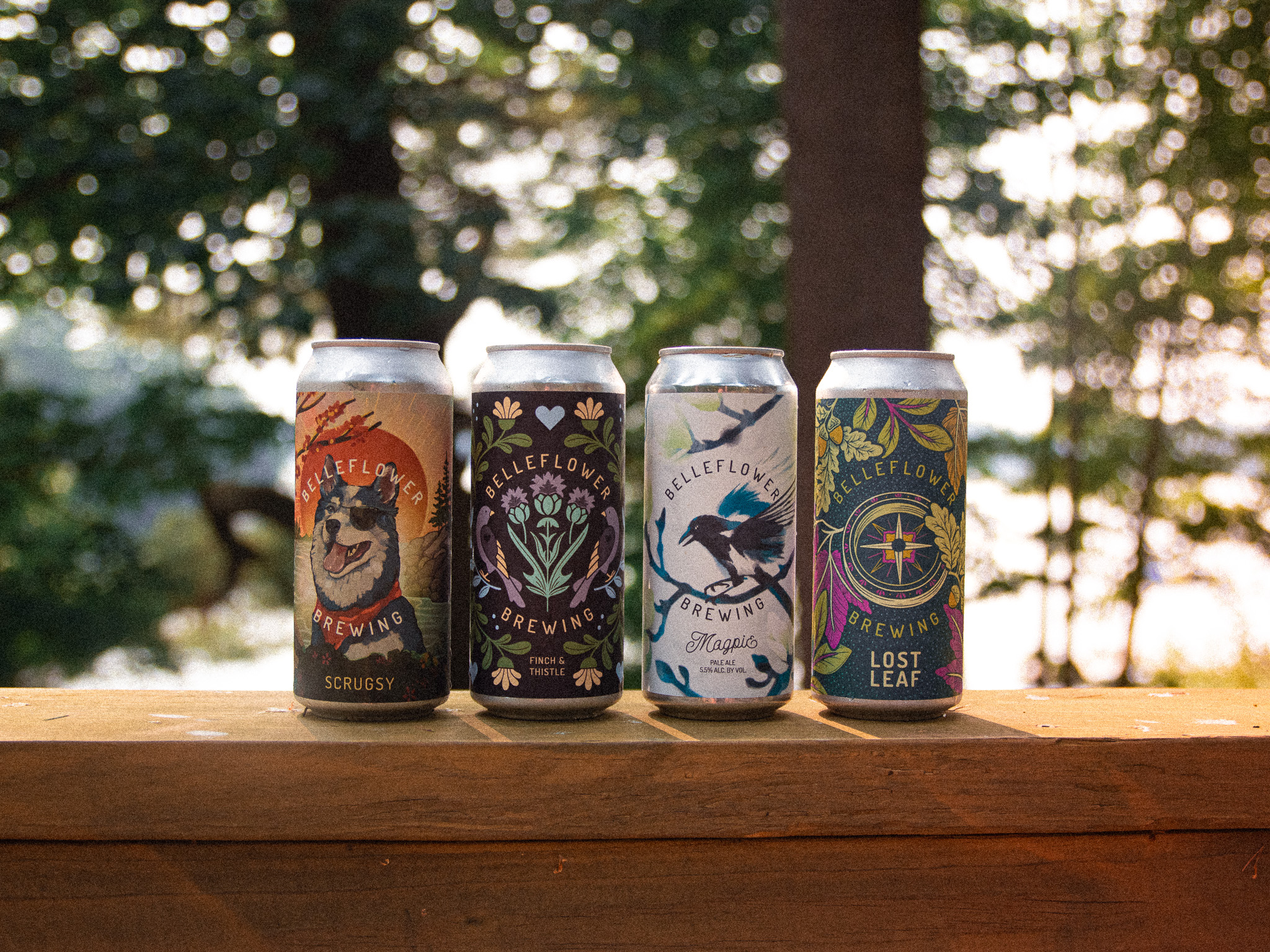
7:55 Nick Well no, it's it's not that it's not pure, but we're trying to like do all that stuff without adding in any fruit through our experience being brewers and through like tasting a lot of different stuff. How do we get to that point using those notes? We got to the first IPA we ever made, and like the IPA, we make the most of, it's called Scruggs.
8:12 Nick It's named after my mother in laws old dog that she had when she was in her 20s. And through the usage of different types of not only base grain so like barley, but using things like oats and we and so Scruggs is a great example because it was the whole thing was pineapple. And so when somebody drinks that I'm like, what do you taste in.
8:32 Nick They almost always somebody is like, oh, it's pineapple or cocktail juice or whatever, you know, that kind of thing. I'm like, okay, nailed it. So yeah. And that's like translated really well for us. And when I, when I talk about like doing other beers because the question was like a little bit broader, it's like, what do you think about when you, when you're like coming up with recipes like, that's how it starts.
8:49 Nick It's like, what's the meaning behind making this or drinking this, right? And a lot of that stuff plays into the end flavor. But it's not just the flavor, it's the texture of the liquid. It's the place that you drink it. It's the format that you drink it in. All of those things combined into one to make like something actually meaningful.
9:07 Nick You know, it's not just it's not just slam and Bud Lights on a weekend with your buds. There's definitely there's definitely a place for that. But there's also a place for something that's like super nuanced, that fits in really well with like an Italian restaurant menu that you just like, nails it, right, right in that spot. And so that's like what we, what we attempt city with, like all of our, all of our recipe development.
9:28 Nick I'm like super proud of us at this point. Like, we have made not every style of beer because there's an infinite number of styles of beer. But if you look at categories of beer, we've made every single category of beer out there.
9:40 Eva What is a lambic?
9:41 Nick A lambic is a beer yet, so lambic is one of the hardest, my opinion, hardest styles to actually make. Because if you're making true lambic, it has to be brewed over the course of a number of years and then blended and refuted and re fermented, and then you get lambic out of it.
10:00 Pamala It's so good. Even picks like the most difficult beer there is.
10:04 Nick Yeah, yeah. And you know, if there's ever like an American brewery that says they're making like authentic lambic, they're probably losing. Why. Yeah. There's a couple.
10:12 Eva It in America.
10:14 Nick Well, I mean, it's just we're Americans, so we're crazy people. So we're just like, trying to like, blast it out as quick as possible. We gotta go. But there are definitely a few places who take the time and like, do it right. My former employers being one of them, Trillium Brewing Company, you know, we did it. Absolutely. We would never call it lambic because it's not Belgium.
10:32 Eva Authentic. Yep.
10:33 Nick Even up here in Maine. Allagash right down the street from my house. You know, they have they have a whole lambic program and they do it right. And lambic is also complicated because it's one of the few styles of beer that we still brew into what's called a cool ship. You ever heard of a cool ship before? So?
10:51 Nick So a cool ship in a really shallow tub that's super big. And what they do is they make the they make the, the wort where is unfermented beer and they run it off, like still practically boiling from the, from the kettle into these like really shallow but really, really big stainless steel pools. And then they just let nature or, you know, they let they let nature cool it off.
11:16 Nick So it might take two days for all that liquid to like, cool off. And then what you do is you pump it out of there into a fermenter and then all the air, all the natural yeast that's in the air has all in into the liquid and inoculated. It is now like fermenting and making alcohol in the cool, in the cool ship.
11:35 Eva I'm sorry, who had time to figure.
11:36 Nick But that's that's how you make out that like, all that stuff is like, it's like magical, right? This is this is how people discovered it. They they left the liquid just they made like. Yeah, they made, like, stew out of barley at some point. Right.
11:49 Eva Because it's like a barley stew.
11:51 Nick Well, it's really sweet. You know, when you, when you, when you drink that stuff, it's like, it's like sweet. So it's like what we want. Like what we crave, what what humans crave. And if you imagine if you imagine leaving that out somewhere and then like coming back to it in a couple days and being like, oh my God, it's like foaming out of the thing, like, let's try it.
12:06 Nick And then all of a sudden you're like, feeling a little drunk and like a little tipsy.
12:10 Pamala Not my first instinct, but sure.
12:11 Nick Yeah, but it's like, this is amazing. So that's a that's like, you know, that's some of the original like that's like the original process for, for making beer. It's just like letting it just like cool in the air and naturally ferment like that. Before we had all this like science ability to like trace all this stuff, people were like, oh, if I do this, this will be the result.
12:29 Nick And it's not understanding the whole whole thing in the middle. So we make a beer, we call it, we call it folk magic. The reason we do that is because the the beer has a lot of locally produced honey in it from actually from the guys who, who grow all of our barley. It's all technically it's clover honey, so it's just like clover grass.
12:46 Nick But you get these like really interesting botanicals from from that specific type of honey produced in those fields. But anyway, the reason we call it folk magic is because like, again, like thinking back, how did how did people know where all this stuff comes from? It's just like fucking magic, honey. It's just like bee barf. But, like, I can, like, go.
13:02 Nick I can, like, find a bunch of bees, harvest this, like, magical stuff off of it, have this, you know, beautiful, delicious.
13:09 Eva Thoughtful.
13:09 Nick Sweet. Yeah. Yeah, exactly. So one example I'll use of of something we did recently. We work with this, this brewery up in Quebec called Mizoram. They're awesome guys. They're crazy people. They've they've been in business as long as we have. They're just they're just great guys. I've met them probably four years ago.
13:28 Eva Ginger beer.
13:29 Nick Exactly. But I met them probably four years ago at a beer festival in DC. I it's kind of funny. You go to like, all these festivals. You start seeing all the same faces and making friends with everybody. And then you become like travel buddies kind of thing.
13:41 Eva I don't make friends with everybody, but.
13:44 Nick Yeah, me either. But you know, the people I like. There you go. Anyway, so we I asked them to make a beer with us this winter and because I wanted to do like an event winter is tough up here. So you got to like do all the hippie stuff to try to keep people interested. And so I was like, yeah, let's make a beer together.
14:00 Nick And they were like, actually, let's make three beers together. I'm like, great, okay. And so being able to share that with them, take their water game from here to here, hopefully like a little bit helps everybody. Right. Because it's the whole rising tide lifts all boats at that point. It's why it's why a lot of people, when they just like come up to me at the bar and they say, I don't like IPAs.
14:20 Nick And I'm like, I think you'd actually do. Yeah, yeah, yeah. The other thing, too, is a lot of the, a lot of the seltzer companies are breweries, right? We, we made seltzer for a little while. I took it off the schedule because it's really fucking annoying and shitty to make for, for Brewers. And so I was like, well, I was like, we're not doing this.
14:39 Nick We're not doing it. Like my my whole thing is, I love being like a hospitality person and making beer is just my gateway into that stuff. You know, it's about I talk to people all the time and they're like, you know, what is the thing that motivates you? And it's like, I love to make something that like, makes people wanna hang out and like, talk, you know, and just be do this, like together, be present, be together.
15:01 Nick Right. There's so, so much of that gets lost in, in like our lives today and myself included. Like I'm addicted to my fucking phone. Here it is. Right? And you know, if we if we can do something to like, take away like a little bit of the pressure of whatever the outside world is and just allow people to socialize a little bit more, I'm all for that.
15:20 Nick So at Bellflower, Bellflower Brewing Company up in Portland, Maine, we brew like a ton of different stuff. I mean, the brewery's named after my my family's farm, which has been in New Hampshire for like 200 years. We participated in the in the National Walk Out Day in January, like giving the staff a day off to do whatever they want.
15:38 Nick And I got death threats to to me personally. Truly.
15:42 Eva How dare you close your business.
15:45 Nick Yeah, exactly.
15:46 Eva Friday.
15:47 Nick My whole thing is like, no, actually, beer is politics. Because it's like the thing that brings us together to, like, talk about, like, what's going on in our lives. Yeah, but we just finalize the deal on a on a new production space for us. So we're we're about to like, go like through the roof on, on our production capacity.
16:02 Eva I mean, so like.
16:03 Nick So like the whole production team is like so fucking stoked to like, get out of the tasting room.
16:09 Eva It's like a shade they can close. Yeah. Or that can.
16:13 Nick Well, I mean, what I, what I ended up doing was I ended up putting shelves and walk in cooler in front. So like, you couldn't see everything. Exactly. But the tasting room is just so small that it's like it doesn't make tours like, all that interesting, really. At least in my opinion. We do it occasionally, like I'll host stuff and it's always better when I.
16:31 Nick When I host something, it's like, I'll do this, you know, I'll just like tell all the stories about everything. Go on and on and on for for hours and hours and hours about about beer and like the culture of beer, like why we do the things we do and all that good stuff. Yeah. Super excited about the new the new production space.
16:46 Nick So hopefully like, very soon you guys are down to New York City and hopefully, hopefully you'll start seeing some of some of my little like, Bellflower logo here on some tap handles.
16:55 Eva Okay.
16:57 Nick Yeah. We'll see. I'm like knocking on wood and that's that's the next big push that we're doing. It's great. Great.
17:01 Eva Oh exciting.
17:03 Nick It's a great time for us because to your question earlier you're like about like love and like creating space. The romantic sort of like doing this kind of thing I don't know, this is always like my dream is to like, just like, create all this stuff and, like, share it with people and have it be a meaningful, impactful and like in a place like New York City, everybody goes for their dreams in New York, you know?
17:22 Nick Yeah, yeah, yeah. There's so much other stuff too. Oh my God, we could go on for hours.
17:27 Eva Maybe we can have you back there. Why not? Like at the surface here. And we talked a lot about water.
17:33 Nick Well yeah, we'll do that. We'll do the state of the the state of the Union for all of our agricultural stuff because that's, you know, that's a whole other, whole other piece of my own interest.
17:43 Eva Yeah, I love it. That's all for today's episode of, you know, Two Bucks, a podcast brought to you by Maven Verse, where brands and communities connect. If you enjoyed this conversation, please subscribe, leave us a review and share it with someone who would love it. Explore more at you know too much media. Follow us on Instagram and YouTube to keep the obsession going.
18:03 Pamala Well, we appreciate you for joining us, and thank you so much for.
18:07 Nick Thank you so much.
18:08 Eva Too much about you.
18:11 Nick Thank you. Bye.